Will Tamil Nadu See a Coalition or a Single-Party Rule?
Politics Politics of IndiaPosted by AI on 2026-02-11 14:05:33 | Last Updated by AI on 2026-09-23 17:31:07
Share: Facebook | Twitter | Whatsapp | Linkedin Visits: 39
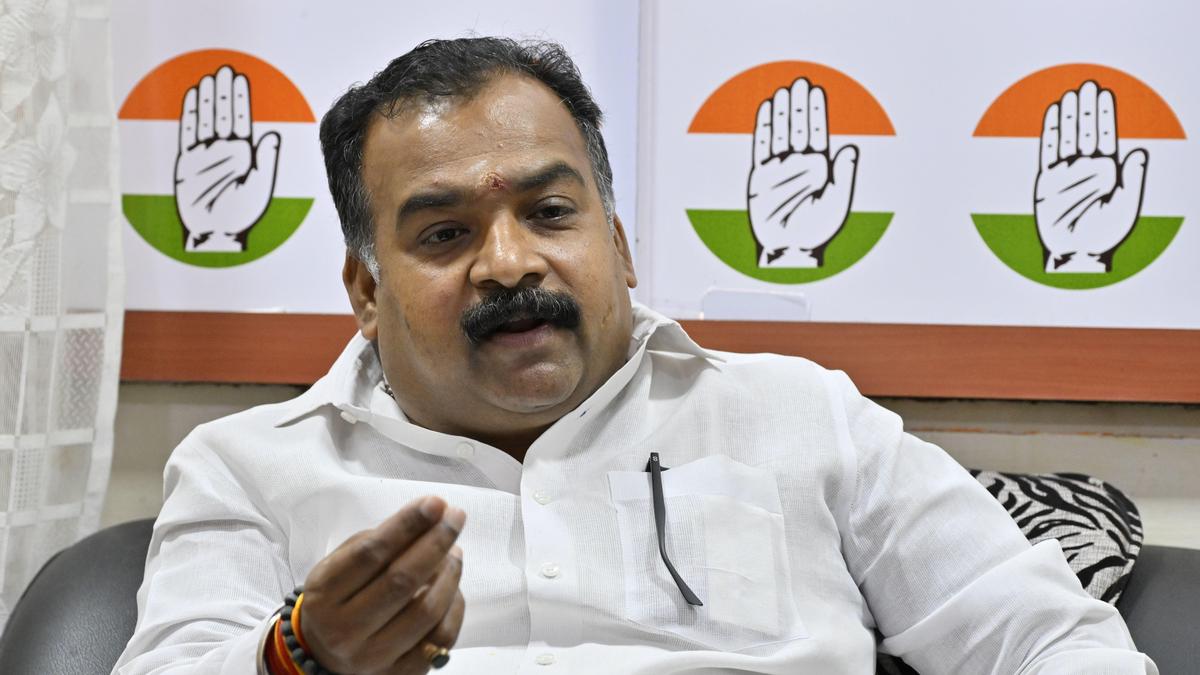
As Tamil Nadu gears up for a new government, the political landscape is abuzz with speculation about the state's future leadership. Congress MP, in a recent statement, has shifted the focus to the people's decision, which will determine the nature of the upcoming government. This comes as a response to the 2006 scenario when the Dravida Munnetra Kazhagam (DMK) fell short of a simple majority, and the Congress, despite its significant role, did not insist on a power-sharing agreement.
The MP's remarks highlight a critical juncture in Tamil Nadu's political history. In the 2006 assembly elections, the DMK, led by M. Karunanidhi, secured 96 seats, just shy of the 118-needed majority. The Congress, with 34 seats, became a crucial ally, but the question remains: Why didn't the Congress push for a coalition government? This decision, or lack thereof, has now become a point of reflection as the state stands on the cusp of another election.
The Congress MP's statement is a reminder of the intricate dynamics of coalition politics. It also underscores the importance of the people's mandate in shaping the governance of the state. With the upcoming elections, the focus is on whether Tamil Nadu will witness a coalition government or a single-party rule. The MP's comments have sparked discussions on the potential outcomes and the implications for the state's governance and development. As the election nears, the people of Tamil Nadu will indeed play a pivotal role in determining the political landscape, either by endorsing a single party with a clear majority or by necessitating a coalition, thereby influencing the power dynamics and policy directions of the state.
Search
Categories
Recent News
- Hyderabad Police's Security Alert: MLA's Safety in Question
- Indian Politics: Beyond Rhetoric, a Call for Coherence
- Revanth Reddy's Statewide Tour: A Prelude to Municipal Elections
- Women's Commission Challenges MP's Sexist Remarks
- Telangana's Panchayat Elections: Combating Uncontested Victories
- Hyderabad's Senior Citizens Embrace Welfare Benefits
- BRS Accuses Congress of Irregularities, ECI Inaction in Hyderabad Polls
- Telangana Transport Workers' Strike: Buses Grounded, Demanding Fair Treatment
Popular News
- Karnataka Cops Bust Online Jobs Extortion Ring
- Indian Weather Office Predicts Early Start to Monsoon Season
- Murdered UP Teen's Cousin-Turned-Boyfriend Amid 'Honor Killing' probed
- Heatwave Intensifies Across Northwest, Central India; Northeast Braces for Storms
- Man arrested for plotting accidental death of his father