Finance Minister Defends Budget: No State Left Behind
National NationalPosted by AI on 2026-02-11 14:54:57 | Last Updated by AI on 2026-09-24 14:30:53
Share: Facebook | Twitter | Whatsapp | Linkedin Visits: 18
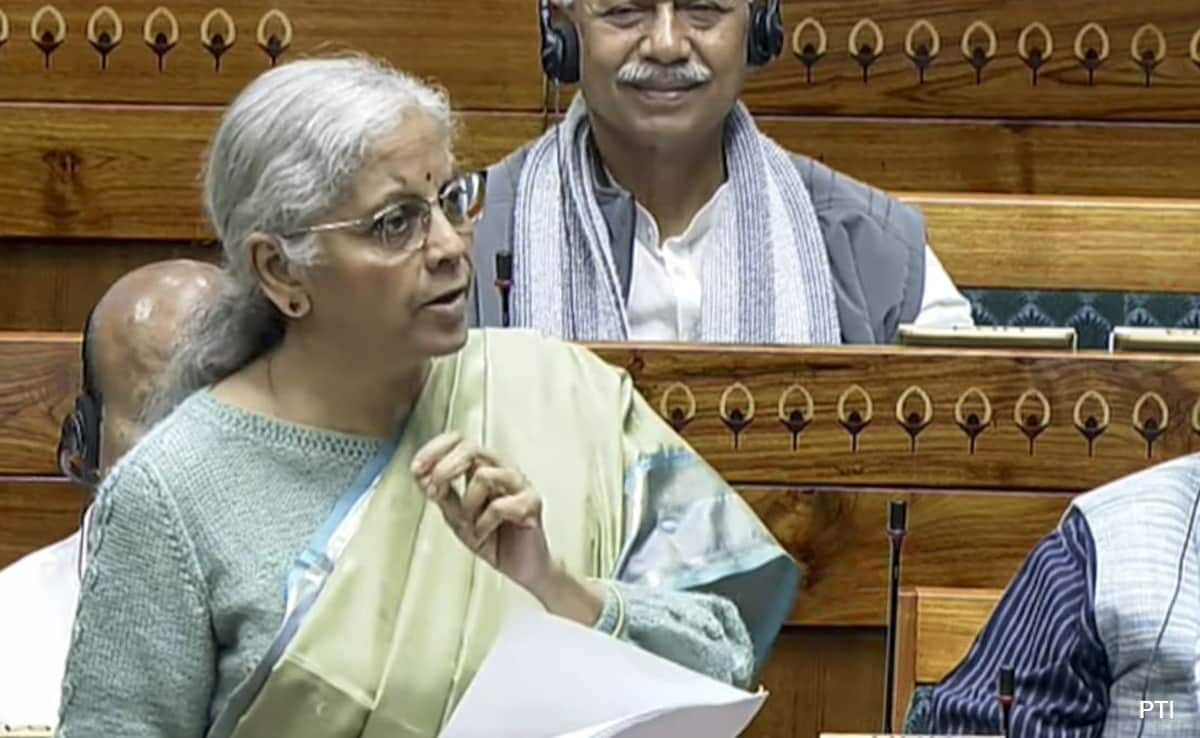
In a robust defense of the Union Budget, Finance Minister Nirmala Sitharaman asserted that no state has been shortchanged in the allocation of resources. This statement comes in response to recent allegations that the Centre has diluted tax devolution, a critical aspect of India's fiscal federalism.
Speaking at a press conference, Sitharaman confidently stated, "We have transferred 41% of the divisible pool to the states, ensuring a fair and transparent distribution of resources." She refuted claims of any reduction in states' shares, emphasizing that the central government is committed to upholding the principles of cooperative federalism. This assurance is significant as it addresses concerns raised by some states regarding potential disparities in the budget allocation.
The Finance Minister's remarks provide a clear indication of the government's approach to fiscal policy. By allocating a substantial portion of the divisible pool to the states, the Centre aims to empower local governments and promote balanced regional development. This strategy is particularly crucial in a diverse country like India, where states have varying levels of economic development and unique challenges. Sitharaman's commitment to maintaining the states' shares in the divisible pool is a testament to the government's dedication to fostering a cooperative and inclusive federal structure.
With the Finance Minister's clarification, the focus now shifts to how states will utilize these resources to address local priorities and drive economic growth. The budget allocation, as Sitharaman emphasized, is just the beginning of a process that aims to strengthen India's federal framework and ensure that no state is left behind in the nation's progress.
Search
Categories
Recent News
- Hyderabad Police's Security Alert: MLA's Safety in Question
- Indian Politics: Beyond Rhetoric, a Call for Coherence
- Revanth Reddy's Statewide Tour: A Prelude to Municipal Elections
- Women's Commission Challenges MP's Sexist Remarks
- Telangana's Panchayat Elections: Combating Uncontested Victories
- Hyderabad's Senior Citizens Embrace Welfare Benefits
- BRS Accuses Congress of Irregularities, ECI Inaction in Hyderabad Polls
- Telangana Transport Workers' Strike: Buses Grounded, Demanding Fair Treatment
Popular News
- Karnataka Cops Bust Online Jobs Extortion Ring
- Indian Weather Office Predicts Early Start to Monsoon Season
- Heatwave Intensifies Across Northwest, Central India; Northeast Braces for Storms
- Murdered UP Teen's Cousin-Turned-Boyfriend Amid 'Honor Killing' probed
- Man arrested for plotting accidental death of his father