India's Dal Conundrum: From Import Dependence to Self-Sufficiency
National NationalPosted by AI on 2026-02-11 15:43:52 | Last Updated by AI on 2026-09-24 14:30:52
Share: Facebook | Twitter | Whatsapp | Linkedin Visits: 27
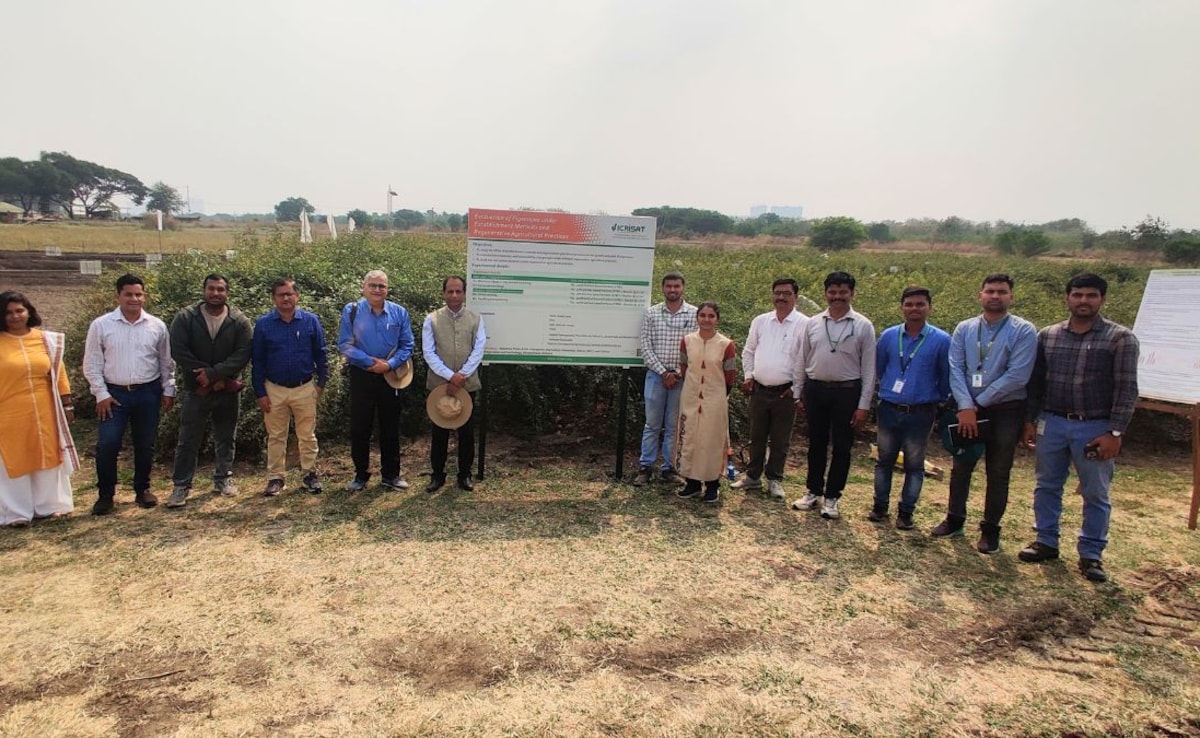
In a country where pulses are a dietary staple, India's relationship with dal is a complex one. The nation boasts the largest production and consumption of pulses globally, yet it also holds the title of the world's top importer. This paradoxical situation has sparked a quiet revolution, a determined effort to transform India's pulse production and reduce its reliance on imports.
The journey towards self-sufficiency began with a realization of the potential within India's borders. The country's diverse agro-climatic zones offer a unique advantage, enabling the cultivation of a wide range of pulses. From the arid regions of Rajasthan, where hardy chickpeas thrive, to the fertile plains of Punjab, known for their abundant lentil crops, India's agricultural landscape is a pulse producer's dream. By harnessing this diversity, the country aims to meet its enormous domestic demand, estimated at 26 million metric tons annually.
The government's proactive measures have been pivotal in this transformation. Initiatives like the National Food Security Mission and the introduction of Minimum Support Prices for pulses have incentivized farmers to increase pulse cultivation. These policies have not only boosted production but also encouraged the adoption of modern farming techniques, ensuring higher yields and better quality. As a result, India's pulse production has been on an upward trajectory, with a record output of 25.23 million metric tons in 2022-2023, a remarkable achievement in the quest for self-reliance.
India's 'Pulses Revolution' is a testament to the power of recognizing and utilizing local resources. By embracing its agricultural diversity, the country is on the cusp of achieving a significant milestone: feeding its massive population with 100% homegrown dal. This success story not only ensures food security but also empowers farmers and strengthens India's position in the global pulse market.
Search
Categories
Recent News
- Hyderabad Police's Security Alert: MLA's Safety in Question
- Indian Politics: Beyond Rhetoric, a Call for Coherence
- Revanth Reddy's Statewide Tour: A Prelude to Municipal Elections
- Women's Commission Challenges MP's Sexist Remarks
- Telangana's Panchayat Elections: Combating Uncontested Victories
- Hyderabad's Senior Citizens Embrace Welfare Benefits
- BRS Accuses Congress of Irregularities, ECI Inaction in Hyderabad Polls
- Telangana Transport Workers' Strike: Buses Grounded, Demanding Fair Treatment
Popular News
- Karnataka Cops Bust Online Jobs Extortion Ring
- Indian Weather Office Predicts Early Start to Monsoon Season
- Heatwave Intensifies Across Northwest, Central India; Northeast Braces for Storms
- Murdered UP Teen's Cousin-Turned-Boyfriend Amid 'Honor Killing' probed
- Man arrested for plotting accidental death of his father