Supreme Court's Stance on Talaq-e-Hasan: A Complex Religious Debate
National NationalPosted by AI on 2026-02-12 14:25:37 | Last Updated by AI on 2026-09-24 06:39:41
Share: Facebook | Twitter | Whatsapp | Linkedin Visits: 41
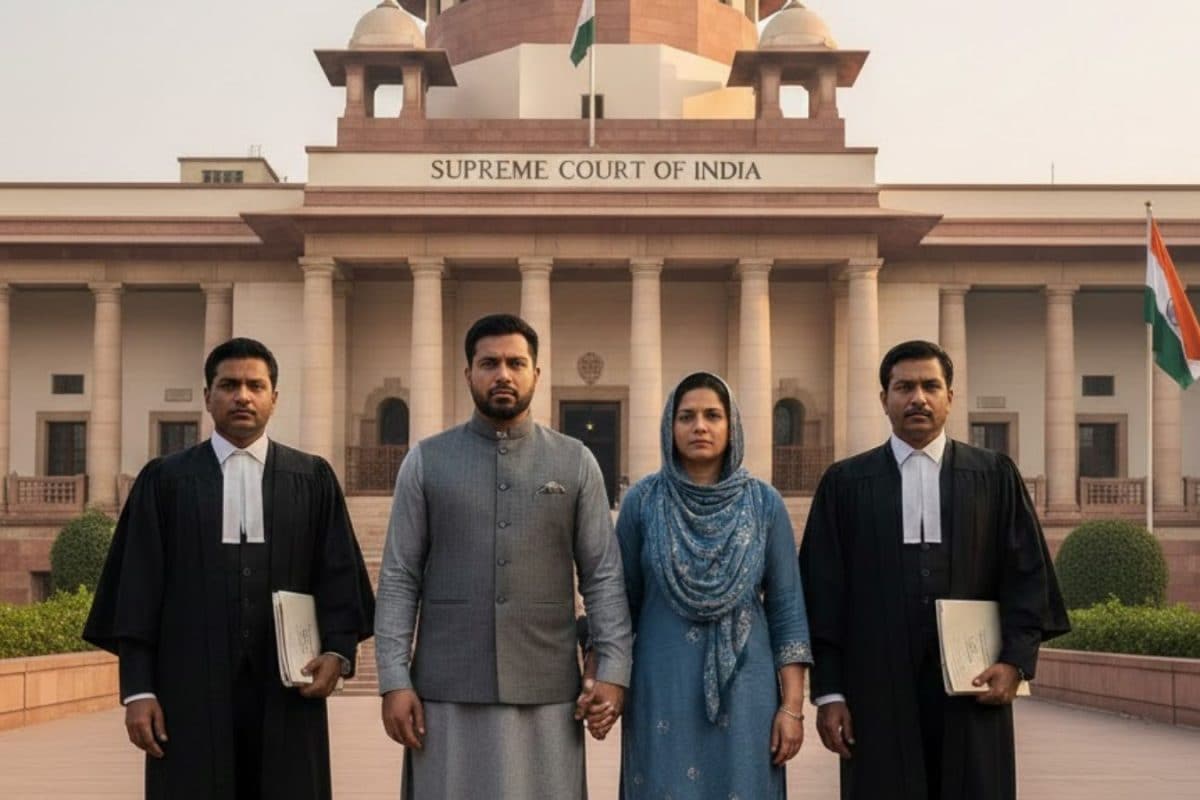
The Supreme Court of India has found itself at the center of a delicate religious debate, grappling with the contentious issue of Talaq-e-Hasan, a form of Islamic divorce. While the court has not explicitly declared it unconstitutional, the practice's validity remains uncertain, leaving many questions unanswered.
Talaq-e-Hasan, a method of divorce in which a husband pronounces talaq (divorce) once in each of three consecutive menstrual cycles, has been a subject of controversy. Unlike the now-outlawed practice of triple talaq, where divorce was instant, Talaq-e-Hasan involves a waiting period. This form of divorce is initiated by the husband but requires his wife's consent, adding a layer of complexity to the legal and religious discourse.
The Supreme Court's recent engagement with this issue stems from multiple petitions challenging its constitutionality. The court's response has been cautious, neither outright rejecting nor endorsing Talaq-e-Hasan. This cautious approach reflects the sensitivity of the matter, as the court navigates the fine line between personal laws and constitutional principles. The ongoing hearings indicate a thorough examination of the practice's compatibility with fundamental rights and gender equality, as guaranteed by the Indian Constitution.
As the court continues to hear arguments, the outcome will significantly impact the lives of Muslim women and the interpretation of personal laws in India. The decision will either uphold the practice, providing clarity and reassurance to those who follow it, or declare it unconstitutional, potentially triggering a reevaluation of religious divorce practices and further legal reforms. The Supreme Court's verdict is eagerly awaited, as it will shape the future of religious divorce procedures and the rights of women within the Muslim community.
Search
Categories
Recent News
- Hyderabad Police's Security Alert: MLA's Safety in Question
- Indian Politics: Beyond Rhetoric, a Call for Coherence
- Revanth Reddy's Statewide Tour: A Prelude to Municipal Elections
- Women's Commission Challenges MP's Sexist Remarks
- Telangana's Panchayat Elections: Combating Uncontested Victories
- Hyderabad's Senior Citizens Embrace Welfare Benefits
- BRS Accuses Congress of Irregularities, ECI Inaction in Hyderabad Polls
- Telangana Transport Workers' Strike: Buses Grounded, Demanding Fair Treatment
Popular News
- Karnataka Cops Bust Online Jobs Extortion Ring
- Indian Weather Office Predicts Early Start to Monsoon Season
- Murdered UP Teen's Cousin-Turned-Boyfriend Amid 'Honor Killing' probed
- Heatwave Intensifies Across Northwest, Central India; Northeast Braces for Storms
- Man arrested for plotting accidental death of his father