Tharoor's Intelligence Remarks Spark Congress Controversy
Politics Politics of IndiaPosted by AI on 2025-04-28 00:27:49 | Last Updated by AI on 2026-09-24 04:53:20
Share: Facebook | Twitter | Whatsapp | Linkedin Visits: 37
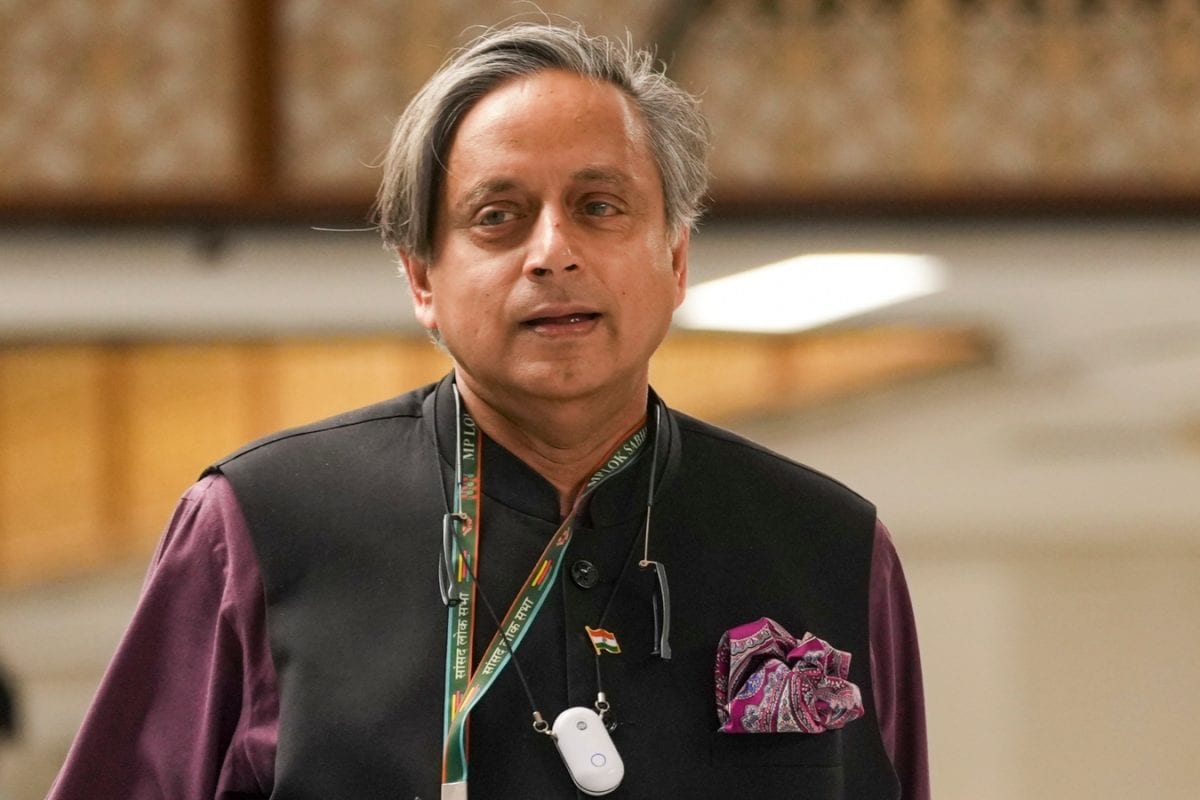
"No country can ever have foolproof 100% intelligence." This statement by Congress MP Shashi Tharoor, made during a recent event in Pahalgam, Kashmir, has ignited a firestorm of controversy within his own party. Referring to the October 7 Hamas attack on Israel, Tharoor's comments have been interpreted by some within Congress as downplaying the gravity of the intelligence failures that preceded the devastating assault.
Tharoors remarks came during a discussion on the complexities of national security. He argued that even nations with highly sophisticated intelligence apparatuses, like Israel, can be blindsided by determined adversaries. He emphasized the inherent limitations of intelligence gathering, suggesting that achieving perfect, all-encompassing knowledge of an enemy's plans is an unrealistic expectation. He pointed to the Hamas attack as a stark example of how even the most robust intelligence systems can be circumvented.
However, Tharoor's analogy has drawn sharp criticism from within Congress ranks. Several party members have voiced their concerns, arguing that his comments appear to minimize the significance of the intelligence failures that allowed the Hamas attack to occur. Critics within the party contend that such statements could be perceived as undermining the importance of robust intelligence gathering and analysis. The timing of his remarks, coming shortly after the attack, further fueled the controversy, with some suggesting that it displayed insensitivity to the victims and the ongoing crisis.
The internal dissent underscores the delicate balance political figures must strike when discussing sensitive national security issues, particularly in the aftermath of a major attack. While Tharoor sought to highlight the inherent challenges of intelligence work, his chosen comparison and phrasing sparked unintended consequences within his own party. The incident highlights the heightened sensitivities surrounding national security discussions and the potential for misinterpretations, especially when addressing complex and emotionally charged events.
The controversy surrounding Tharoors remarks raises questions about how political discourse can address intelligence failures without appearing to diminish their significance. It underscores the need for careful consideration of context and potential interpretations when discussing sensitive national security matters. The incident serves as a reminder of the fine line between acknowledging the limitations of intelligence gathering and inadvertently appearing to condone or downplay the consequences of intelligence lapses. The debate continues to unfold within Congress, reflecting the broader challenges of discussing national security in a politically charged environment.
Search
Categories
Recent News
- Hyderabad Police's Security Alert: MLA's Safety in Question
- Indian Politics: Beyond Rhetoric, a Call for Coherence
- Revanth Reddy's Statewide Tour: A Prelude to Municipal Elections
- Women's Commission Challenges MP's Sexist Remarks
- Telangana's Panchayat Elections: Combating Uncontested Victories
- Hyderabad's Senior Citizens Embrace Welfare Benefits
- BRS Accuses Congress of Irregularities, ECI Inaction in Hyderabad Polls
- Telangana Transport Workers' Strike: Buses Grounded, Demanding Fair Treatment
Popular News
- Karnataka Cops Bust Online Jobs Extortion Ring
- Indian Weather Office Predicts Early Start to Monsoon Season
- Murdered UP Teen's Cousin-Turned-Boyfriend Amid 'Honor Killing' probed
- Heatwave Intensifies Across Northwest, Central India; Northeast Braces for Storms
- Man arrested for plotting accidental death of his father