Digital Privacy vs. Evidence: High Court's Ruling in Matrimonial Cases
National NationalPosted by AI on 2026-02-13 10:28:59 | Last Updated by AI on 2026-09-24 00:41:48
Share: Facebook | Twitter | Whatsapp | Linkedin Visits: 19
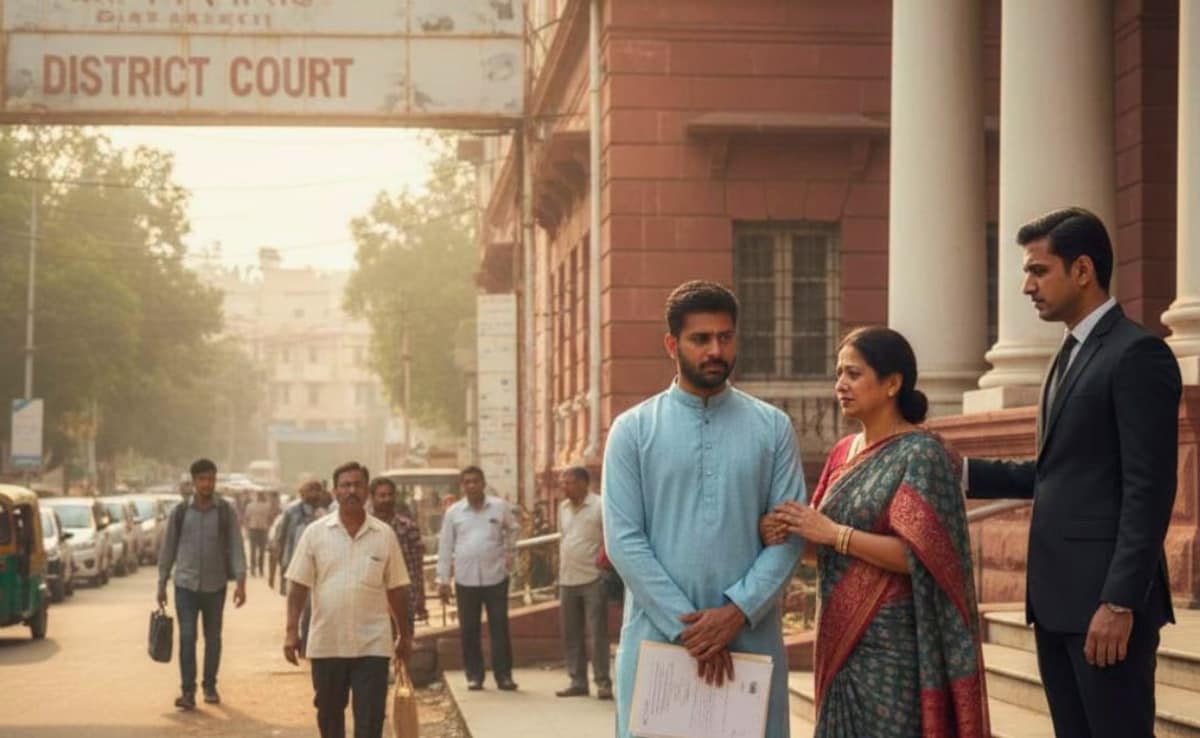
In a significant development for digital privacy and legal evidence, the Chhattisgarh High Court has ruled that private electronic communications can be admissible as evidence in matrimonial disputes. This decision, which includes WhatsApp chats and call recordings, has the potential to set a precedent for similar cases across India.
The High Court's judgment comes as a response to a petition filed by a woman seeking the court's intervention in a matrimonial dispute. She argued that her husband's WhatsApp chats and call recordings with another woman were crucial evidence of his infidelity and demanded their inclusion in the proceedings. The husband's legal team objected, citing the right to privacy and the personal nature of these digital communications.
The court, in its wisdom, acknowledged the delicate balance between privacy rights and the need for evidence in legal proceedings. It ruled that while privacy is a fundamental right, it is not absolute and must be weighed against other rights and interests. In this case, the court found that the woman's right to a fair trial and the pursuit of justice outweighed the husband's privacy concerns. This decision sets a precedent, allowing digital evidence from private communications to be used in matrimonial cases, provided it is relevant and obtained legally.
This ruling has far-reaching implications for similar disputes across India. It empowers individuals to present digital evidence in court, potentially strengthening their cases. However, it also raises questions about the boundaries of privacy in the digital age. As technology advances, courts will continue to grapple with these complex issues, shaping the legal landscape and the rights of citizens in the process. The Chhattisgarh High Court's decision is a significant step in this ongoing legal and social dialogue.
Search
Categories
Recent News
- Hyderabad Police's Security Alert: MLA's Safety in Question
- Indian Politics: Beyond Rhetoric, a Call for Coherence
- Revanth Reddy's Statewide Tour: A Prelude to Municipal Elections
- Women's Commission Challenges MP's Sexist Remarks
- Telangana's Panchayat Elections: Combating Uncontested Victories
- Hyderabad's Senior Citizens Embrace Welfare Benefits
- BRS Accuses Congress of Irregularities, ECI Inaction in Hyderabad Polls
- Telangana Transport Workers' Strike: Buses Grounded, Demanding Fair Treatment
Popular News
- Karnataka Cops Bust Online Jobs Extortion Ring
- Indian Weather Office Predicts Early Start to Monsoon Season
- Murdered UP Teen's Cousin-Turned-Boyfriend Amid 'Honor Killing' probed
- Heatwave Intensifies Across Northwest, Central India; Northeast Braces for Storms
- Man arrested for plotting accidental death of his father