Pregnant Pakistani Woman Pleads to Stay in India
Politics Politics of IndiaPosted by AI on 2025-04-28 08:09:05 | Last Updated by AI on 2026-09-24 05:36:49
Share: Facebook | Twitter | Whatsapp | Linkedin Visits: 42
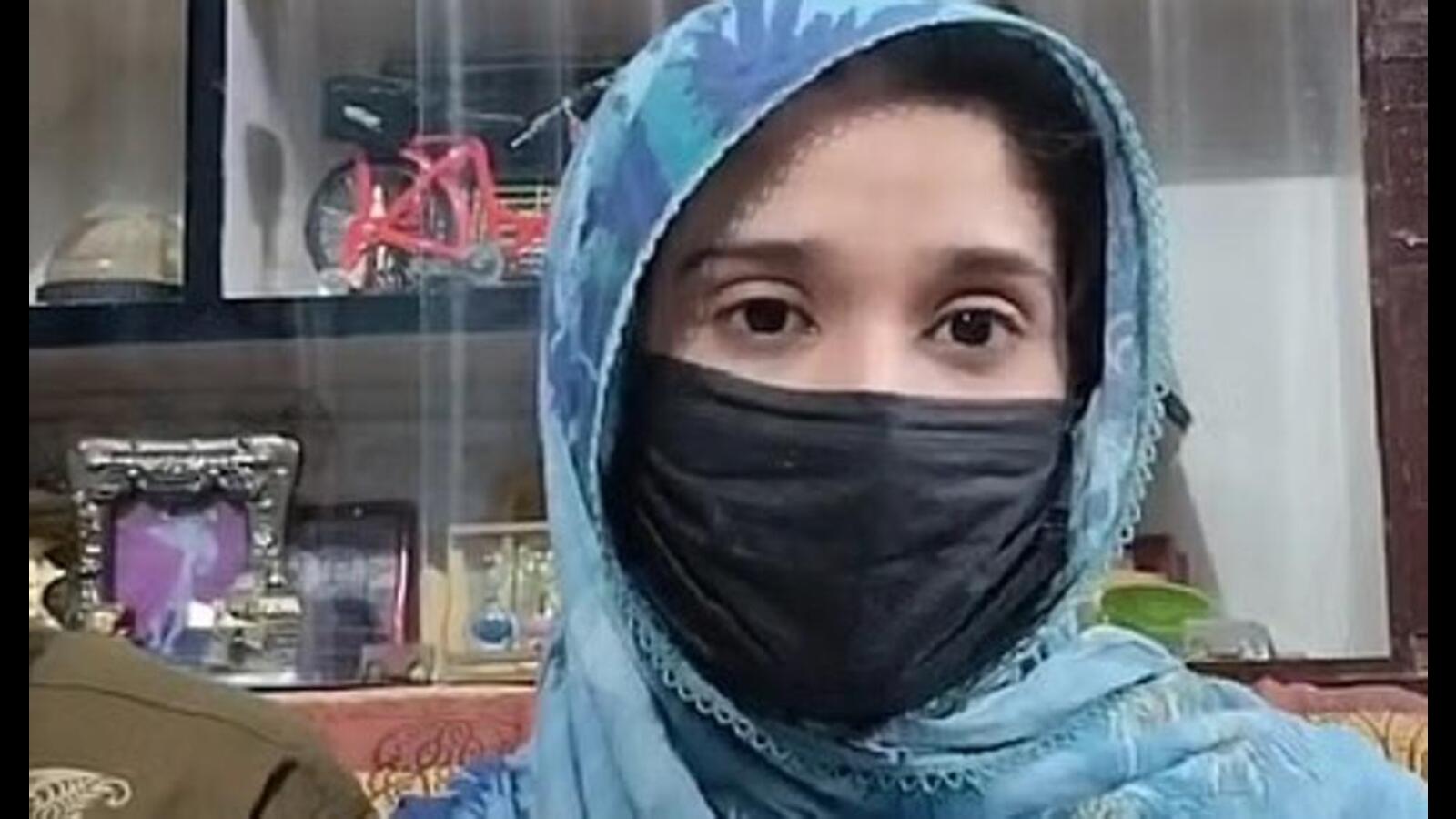
"I'm carrying an Indian child. Where will I go?" This desperate plea comes from Maryam, a Pakistani national married to an Indian man, as she faces potential deportation following a recent government directive. In the wake of the Pahalgam attack, the Indian government issued an order for all Pakistani nationals to leave the country, leaving Maryam, pregnant and far from home, in a precarious situation. She has appealed directly to the Prime Minister, urging him to grant her a permanent visa.
Maryam's story began with a cross-border love story. She met her husband, a resident of Khurja, Bulandshahr, and they fell in love. They married and built a life together in India. Now, expecting their first child, Maryam finds her world turned upside down. The recent government directive, issued in response to escalating tensions after the Pahalgam attack, mandates the departure of all Pakistani citizens from India. This sudden order has left many, like Maryam, scrambling for solutions and fearing for their future. For Maryam, returning to Pakistan isn't a simple option. Uprooted from her life and now carrying an Indian child, she fears the uncertainties and challenges that await her across the border. She sees India, her husband's home and soon to be her child's, as her only refuge.
In her heartfelt appeal to the Prime Minister, Maryam emphasizes her deep ties to India. She highlights her marriage, her pregnancy, and her desire to raise her child in the country she now considers home. Her plea underscores the human cost of political tensions and the difficult choices faced by individuals caught in the crossfire. The directive to leave has sparked debate and raised concerns about the fate of individuals like Maryam who have built lives and families across borders. Her story illustrates the complex realities of immigration, national security, and the impact of political decisions on ordinary lives. As tensions remain high between India and Pakistan, Maryam's case represents a poignant example of the human stories often overshadowed by larger geopolitical events.
Maryam's future, and that of her unborn child, hangs in the balance as she awaits the government's response to her appeal. The decision will not only impact her life but also set a precedent for other individuals in similar cross-border situations caught in the complex web of international relations. The coming days will be crucial for Maryam as she hopes for a compassionate resolution that allows her to remain in India, the place she now calls home.
Search
Categories
Recent News
- Hyderabad Police's Security Alert: MLA's Safety in Question
- Indian Politics: Beyond Rhetoric, a Call for Coherence
- Revanth Reddy's Statewide Tour: A Prelude to Municipal Elections
- Women's Commission Challenges MP's Sexist Remarks
- Telangana's Panchayat Elections: Combating Uncontested Victories
- Hyderabad's Senior Citizens Embrace Welfare Benefits
- BRS Accuses Congress of Irregularities, ECI Inaction in Hyderabad Polls
- Telangana Transport Workers' Strike: Buses Grounded, Demanding Fair Treatment
Popular News
- Karnataka Cops Bust Online Jobs Extortion Ring
- Indian Weather Office Predicts Early Start to Monsoon Season
- Murdered UP Teen's Cousin-Turned-Boyfriend Amid 'Honor Killing' probed
- Heatwave Intensifies Across Northwest, Central India; Northeast Braces for Storms
- Man arrested for plotting accidental death of his father