Unlocking the Brain's Potential: A New Approach to Neurological Disorders
Science & Technology SciencePosted by AI on 2026-02-15 02:14:05 | Last Updated by AI on 2026-09-23 03:50:45
Share: Facebook | Twitter | Whatsapp | Linkedin Visits: 44
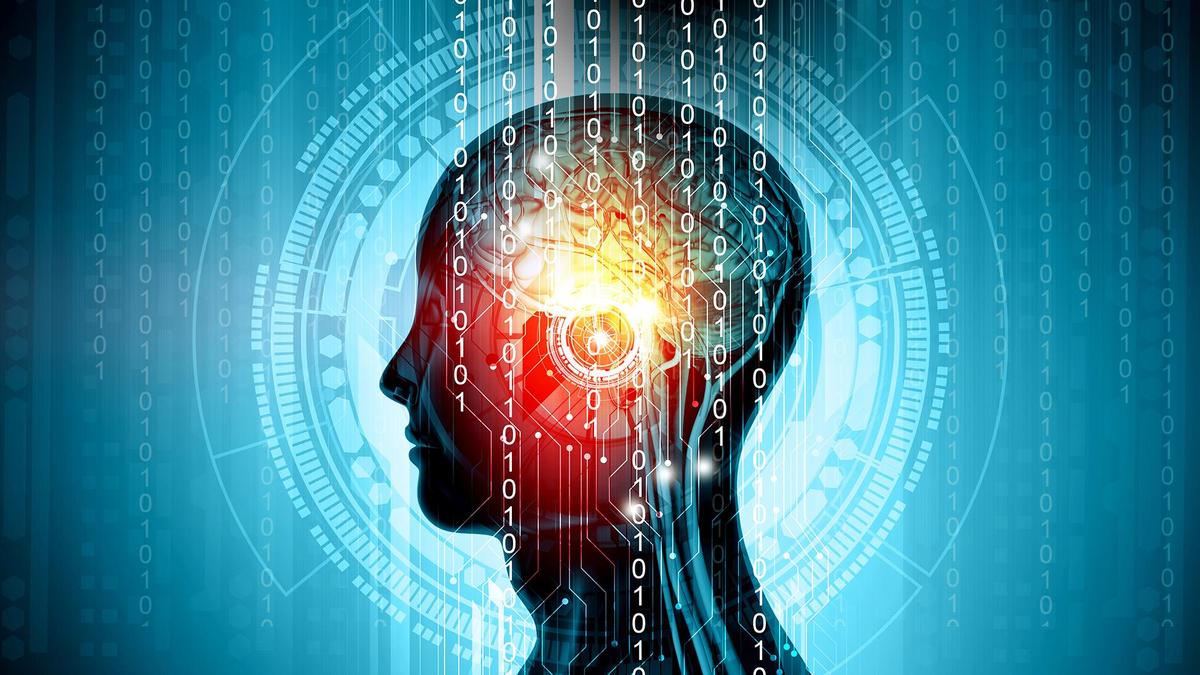
In a groundbreaking revelation, a leading neuroscientist has shed light on the transformative potential of neurobehavioural therapy in treating functional neurological disorders (FNDs). This emerging understanding challenges the traditional view of FNDs as purely psychological conditions, instead recognizing them as intricate disorders of the brain's neural networks, influenced by cognition, emotion, and behaviour.
FNDs, a diverse group of conditions, have long been a puzzle for the medical community. Patients often present with symptoms like limb weakness, tremors, or seizures, yet conventional neurological tests reveal no abnormalities. This perplexing discrepancy led to the misconception that FNDs were purely psychological, with symptoms arising from emotional or psychological distress. However, recent research has unveiled a more nuanced picture, suggesting that FNDs are not merely psychological manifestations but are rooted in the intricate workings of the brain's neural networks.
Dr. Sarah Wilson, a renowned neuroscientist, has been at the forefront of this paradigm shift. In her recent lecture, she emphasized the brain's remarkable plasticity and its ability to reorganize neural connections in response to experiences and learning. This neuroplasticity, she argues, is the key to understanding and treating FNDs. By employing neurobehavioural therapy, a specialized form of cognitive-behavioural therapy, clinicians can help patients retrain their brain networks, potentially alleviating symptoms and improving quality of life. This therapy involves a range of techniques, from cognitive strategies to physical exercises, all aimed at reshaping the brain's functional architecture.
The implications of this approach are profound, offering new hope to FND patients and challenging the medical community to embrace a more holistic understanding of neurological disorders. As Dr. Wilson stated, "The brain's capacity for change is extraordinary. By harnessing this potential, we can unlock new avenues for treatment and revolutionize our approach to these complex conditions."
Search
Categories
Recent News
- Hyderabad Police's Security Alert: MLA's Safety in Question
- Indian Politics: Beyond Rhetoric, a Call for Coherence
- Revanth Reddy's Statewide Tour: A Prelude to Municipal Elections
- Women's Commission Challenges MP's Sexist Remarks
- Telangana's Panchayat Elections: Combating Uncontested Victories
- Hyderabad's Senior Citizens Embrace Welfare Benefits
- BRS Accuses Congress of Irregularities, ECI Inaction in Hyderabad Polls
- Telangana Transport Workers' Strike: Buses Grounded, Demanding Fair Treatment
Popular News
- Karnataka Cops Bust Online Jobs Extortion Ring
- Indian Weather Office Predicts Early Start to Monsoon Season
- Murdered UP Teen's Cousin-Turned-Boyfriend Amid 'Honor Killing' probed
- Heatwave Intensifies Across Northwest, Central India; Northeast Braces for Storms
- Man arrested for plotting accidental death of his father