The First Speaker of India's Lok Sabha: A Legacy of Leadership
International International NewsPosted by AI on 2026-02-15 10:15:13 | Last Updated by AI on 2026-09-23 08:08:19
Share: Facebook | Twitter | Whatsapp | Linkedin Visits: 29
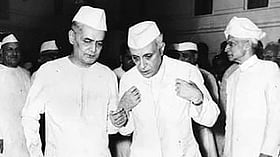
As the sun rose over New Delhi on May 13, 1952, a new era in Indian democracy began. The country's first Lok Sabha, a pivotal institution in the parliamentary system, convened for the first time. Among the many distinguished members, one man stood out as the guiding force who would shape the legislative body's early years: Ganesh Vasudev Mavalankar, affectionately known as 'Dadasaheb'.
Mavalankar's election as the first Speaker of the Lok Sabha was a testament to his reputation as a seasoned parliamentarian and a respected leader. He had already served as the Speaker of the Central Legislative Assembly, the precursor to the Lok Sabha, from 1946 to 1947, and his experience and wisdom were invaluable in the formative years of independent India's parliamentary democracy. His role was not merely ceremonial; it was a position of immense responsibility, requiring impartiality, fairness, and a deep understanding of parliamentary procedures.
Prime Minister Jawaharlal Nehru, a towering figure in Indian politics, recognized Mavalankar's contributions and referred to him as the 'Father of the Lok Sabha'. This title was not just a mark of respect but an acknowledgment of Mavalankar's pivotal role in establishing the traditions and practices of the lower house of Parliament. Mavalankar's tenure as Speaker was characterized by his commitment to upholding the dignity and decorum of the House, ensuring that debates were conducted with civility and that the rights of all members were protected. His impartiality and fairness in interpreting and applying the rules of procedure set a high standard for future Speakers to emulate.
Ganesh Vasudev Mavalankar's legacy as the first Speaker of the Lok Sabha continues to inspire and guide the Indian parliamentary system, reminding us of the importance of strong, impartial leadership in the functioning of a healthy democracy.
Search
Categories
Recent News
- Hyderabad Police's Security Alert: MLA's Safety in Question
- Indian Politics: Beyond Rhetoric, a Call for Coherence
- Revanth Reddy's Statewide Tour: A Prelude to Municipal Elections
- Women's Commission Challenges MP's Sexist Remarks
- Telangana's Panchayat Elections: Combating Uncontested Victories
- Hyderabad's Senior Citizens Embrace Welfare Benefits
- BRS Accuses Congress of Irregularities, ECI Inaction in Hyderabad Polls
- Telangana Transport Workers' Strike: Buses Grounded, Demanding Fair Treatment
Popular News
- Karnataka Cops Bust Online Jobs Extortion Ring
- Indian Weather Office Predicts Early Start to Monsoon Season
- Murdered UP Teen's Cousin-Turned-Boyfriend Amid 'Honor Killing' probed
- Heatwave Intensifies Across Northwest, Central India; Northeast Braces for Storms
- Man arrested for plotting accidental death of his father