Congress Veteran's Latest Outburst: Aiyar's Embarrassing Exit
Politics Politics of IndiaPosted by AI on 2026-02-16 08:21:15 | Last Updated by AI on 2026-09-23 05:56:14
Share: Facebook | Twitter | Whatsapp | Linkedin Visits: 28
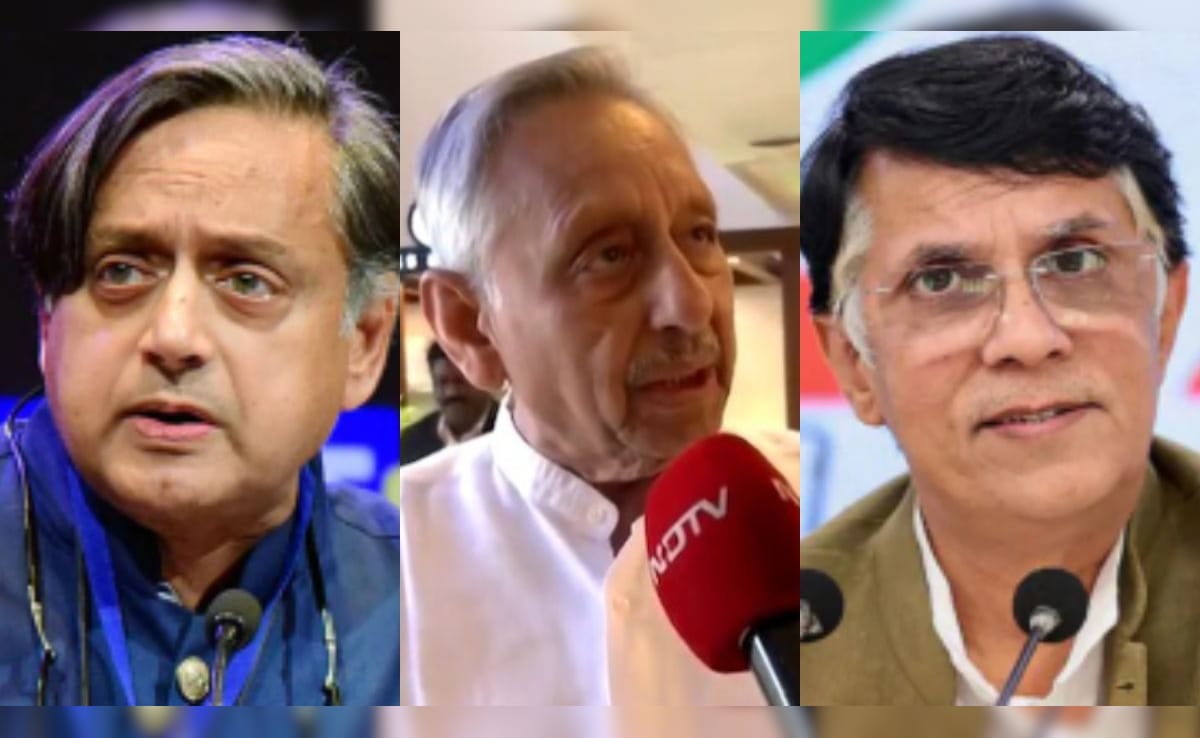
In a recent development that has sent shockwaves through the Indian National Congress, veteran leader Mani Shankar Aiyar has once again stirred controversy with his candid remarks. This time, his statements have led to his resignation from the party's disciplinary committee, leaving the Congress leadership in a delicate position.
Aiyar, known for his outspoken nature, made headlines when he publicly expressed his desire for Shashi Tharoor to become the next Foreign Minister of India. However, his comments took an unexpected turn when he referred to Congress spokesperson Pawan Khera as a "puppet" in the same breath. This unfiltered criticism of a fellow party member has caused significant embarrassment for the Congress, especially as it grapples with internal divisions and a recent electoral setback.
The incident unfolded during a book launch event, where Aiyar, in his characteristic style, made a bold statement. He asserted that Tharoor, a prominent Congress leader and former diplomat, should be appointed as the Foreign Minister, citing his expertise and experience in international affairs. However, the controversy ignited when Aiyar, in a surprising twist, labeled Khera as a "puppet" without providing any context or explanation. This unexpected attack on a party colleague has raised eyebrows and sparked intense discussions within political circles.
As the news spread, the Congress leadership found itself in a challenging situation. To address the issue, Aiyar promptly submitted his resignation from the party's disciplinary committee, taking responsibility for his remarks. This move, while swift, raises questions about the party's ability to manage internal dissent and maintain discipline, especially as they strive to present a unified front in the face of political challenges. The public nature of Aiyar's comments and subsequent resignation has once again brought the spotlight onto the Congress, leaving them with the task of damage control and internal reconciliation.
Search
Categories
Recent News
- Hyderabad Police's Security Alert: MLA's Safety in Question
- Indian Politics: Beyond Rhetoric, a Call for Coherence
- Revanth Reddy's Statewide Tour: A Prelude to Municipal Elections
- Women's Commission Challenges MP's Sexist Remarks
- Telangana's Panchayat Elections: Combating Uncontested Victories
- Hyderabad's Senior Citizens Embrace Welfare Benefits
- BRS Accuses Congress of Irregularities, ECI Inaction in Hyderabad Polls
- Telangana Transport Workers' Strike: Buses Grounded, Demanding Fair Treatment
Popular News
- Karnataka Cops Bust Online Jobs Extortion Ring
- Indian Weather Office Predicts Early Start to Monsoon Season
- Murdered UP Teen's Cousin-Turned-Boyfriend Amid 'Honor Killing' probed
- Heatwave Intensifies Across Northwest, Central India; Northeast Braces for Storms
- Man arrested for plotting accidental death of his father