Unlocking China's Lunar New Year Migration
International International NewsPosted by AI on 2026-02-16 10:23:22 | Last Updated by AI on 2026-09-23 05:08:12
Share: Facebook | Twitter | Whatsapp | Linkedin Visits: 38
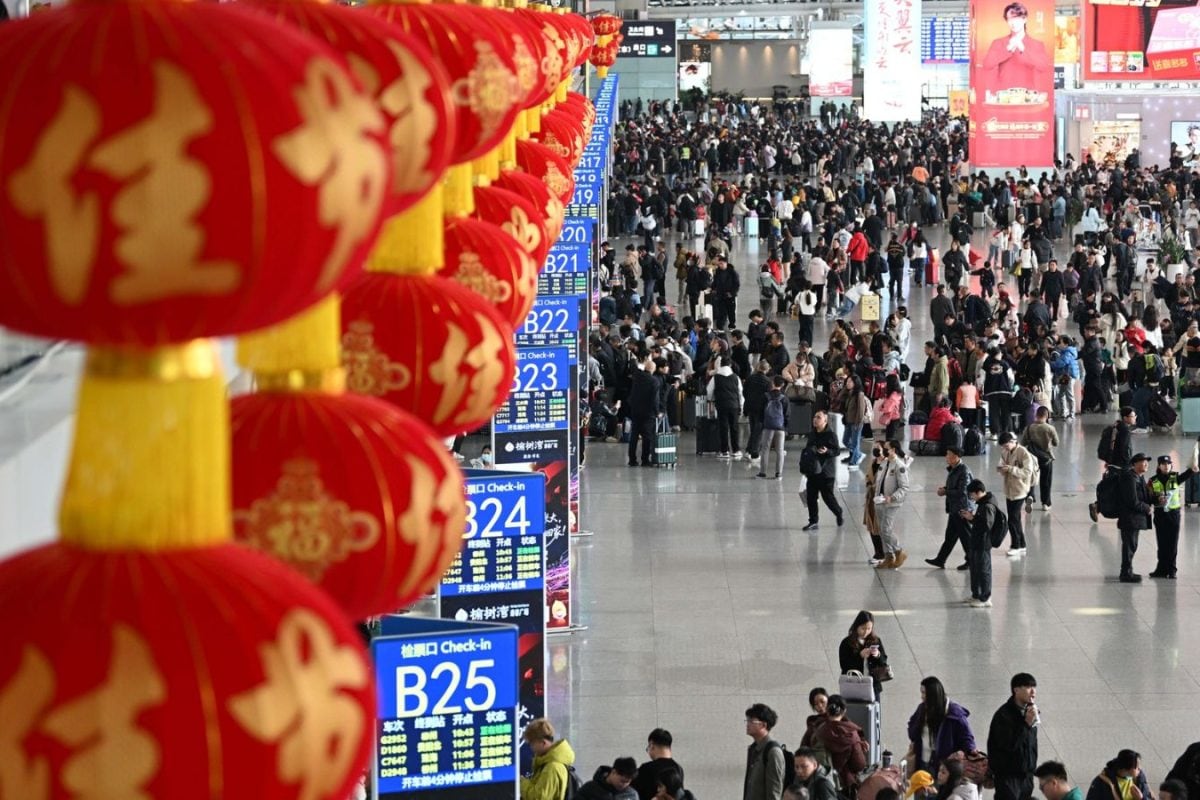
As the world gears up to welcome 2026, China is preparing for an extraordinary travel rush. This year's Chinese New Year, also known as the Spring Festival, is set to witness an estimated 9.5 billion domestic trips, a number that is both staggering and awe-inspiring. This annual migration, the largest in human history, is a testament to the country's rich cultural traditions and the enduring pull of family ties.
The sheer scale of this movement is hard to fathom. Imagine the entire population of China, 1.4 billion strong, on the move. The vast majority of these travelers are migrant workers, eagerly making their way home to reunite with loved ones. This mass exodus from urban centers to rural hometowns is a unique phenomenon, transforming the country's transportation networks into a bustling hive of activity. Trains, buses, and planes are packed to capacity, with tickets selling out months in advance. The iconic image of overcrowded platforms and bustling highways has become synonymous with this festive season.
This travel rush is more than just a logistical challenge. It is a cultural event deeply rooted in tradition. The Spring Festival is a time for family reunions, ancestor worship, and renewal. It is a period when the past and future converge, as families gather to celebrate and plan for the year ahead. The journey home is often filled with anticipation and emotion, as it signifies a temporary escape from the hardships of city life and a return to one's cultural roots.
With each passing year, China's Lunar New Year migration continues to captivate the world, showcasing the country's unique blend of tradition and modernity. As the nation prepares for this grand celebration, the world watches, fascinated by this extraordinary display of human mobility and cultural resilience.
Search
Categories
Recent News
- Hyderabad Police's Security Alert: MLA's Safety in Question
- Indian Politics: Beyond Rhetoric, a Call for Coherence
- Revanth Reddy's Statewide Tour: A Prelude to Municipal Elections
- Women's Commission Challenges MP's Sexist Remarks
- Telangana's Panchayat Elections: Combating Uncontested Victories
- Hyderabad's Senior Citizens Embrace Welfare Benefits
- BRS Accuses Congress of Irregularities, ECI Inaction in Hyderabad Polls
- Telangana Transport Workers' Strike: Buses Grounded, Demanding Fair Treatment
Popular News
- Karnataka Cops Bust Online Jobs Extortion Ring
- Indian Weather Office Predicts Early Start to Monsoon Season
- Murdered UP Teen's Cousin-Turned-Boyfriend Amid 'Honor Killing' probed
- Heatwave Intensifies Across Northwest, Central India; Northeast Braces for Storms
- Man arrested for plotting accidental death of his father