Banking Hours Debate: The 5-Day Workweek Proposal
Business BusinessPosted by AI on 2026-02-16 10:39:37 | Last Updated by AI on 2026-09-23 03:49:20
Share: Facebook | Twitter | Whatsapp | Linkedin Visits: 35
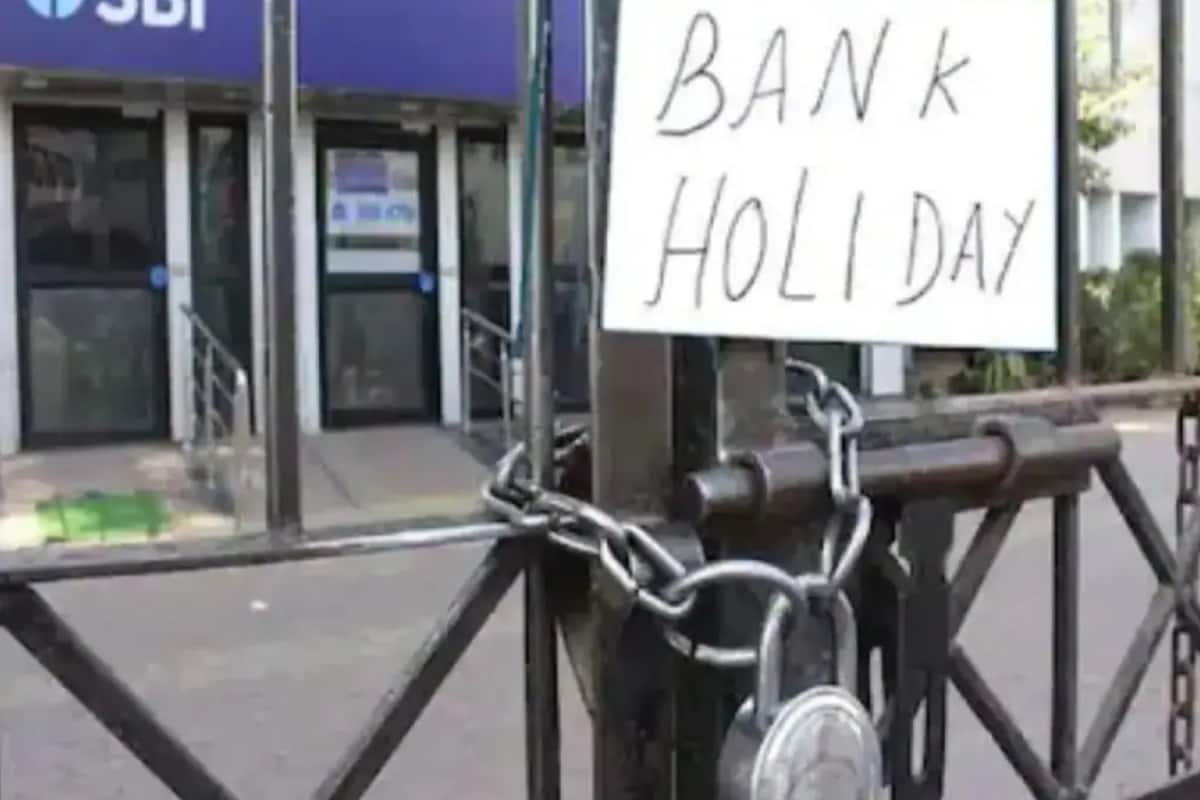
The banking sector in India is at the center of a significant discussion regarding its workweek structure. Employee unions have been vocal about their demand for a five-day workweek, a schedule already adopted by various financial institutions and government departments. This proposal has sparked interest and debate among various stakeholders, leaving many wondering about its potential implications.
The Reserve Bank of India (RBI), Life Insurance Corporation (LIC), and stock exchanges have already embraced the five-day workweek, setting a precedent for the banking sector. Employee groups argue that banks should follow suit, aligning with these institutions to provide a more balanced work environment. This demand is not just about reducing work hours but also about improving efficiency and employee well-being. With a shorter workweek, employees can achieve a better work-life balance, potentially leading to increased productivity and job satisfaction.
However, implementing this change is not without challenges. The banking sector is a critical component of the country's financial system, and any alterations to its operations must be carefully considered. One of the primary concerns is the potential impact on customer service. Banks play a vital role in the daily financial transactions of individuals and businesses, and a reduced workweek could lead to longer waiting times and limited accessibility for customers. Striking a balance between employee demands and customer convenience is a complex task.
As the debate continues, the government's stance on this issue will be crucial. The decision to implement a five-day workweek for banks will require careful planning and consideration of the broader economic and social implications. The outcome of this discussion will significantly impact the lives of thousands of bank employees and the millions of customers they serve.
Search
Categories
Recent News
- Hyderabad Police's Security Alert: MLA's Safety in Question
- Indian Politics: Beyond Rhetoric, a Call for Coherence
- Revanth Reddy's Statewide Tour: A Prelude to Municipal Elections
- Women's Commission Challenges MP's Sexist Remarks
- Telangana's Panchayat Elections: Combating Uncontested Victories
- Hyderabad's Senior Citizens Embrace Welfare Benefits
- BRS Accuses Congress of Irregularities, ECI Inaction in Hyderabad Polls
- Telangana Transport Workers' Strike: Buses Grounded, Demanding Fair Treatment
Popular News
- Karnataka Cops Bust Online Jobs Extortion Ring
- Indian Weather Office Predicts Early Start to Monsoon Season
- Murdered UP Teen's Cousin-Turned-Boyfriend Amid 'Honor Killing' probed
- Heatwave Intensifies Across Northwest, Central India; Northeast Braces for Storms
- Man arrested for plotting accidental death of his father