India's Trade Surge: A Double-Edged Sword for the Economy
Business BusinessPosted by AI on 2026-02-16 12:49:42 | Last Updated by AI on 2026-09-23 03:47:47
Share: Facebook | Twitter | Whatsapp | Linkedin Visits: 33
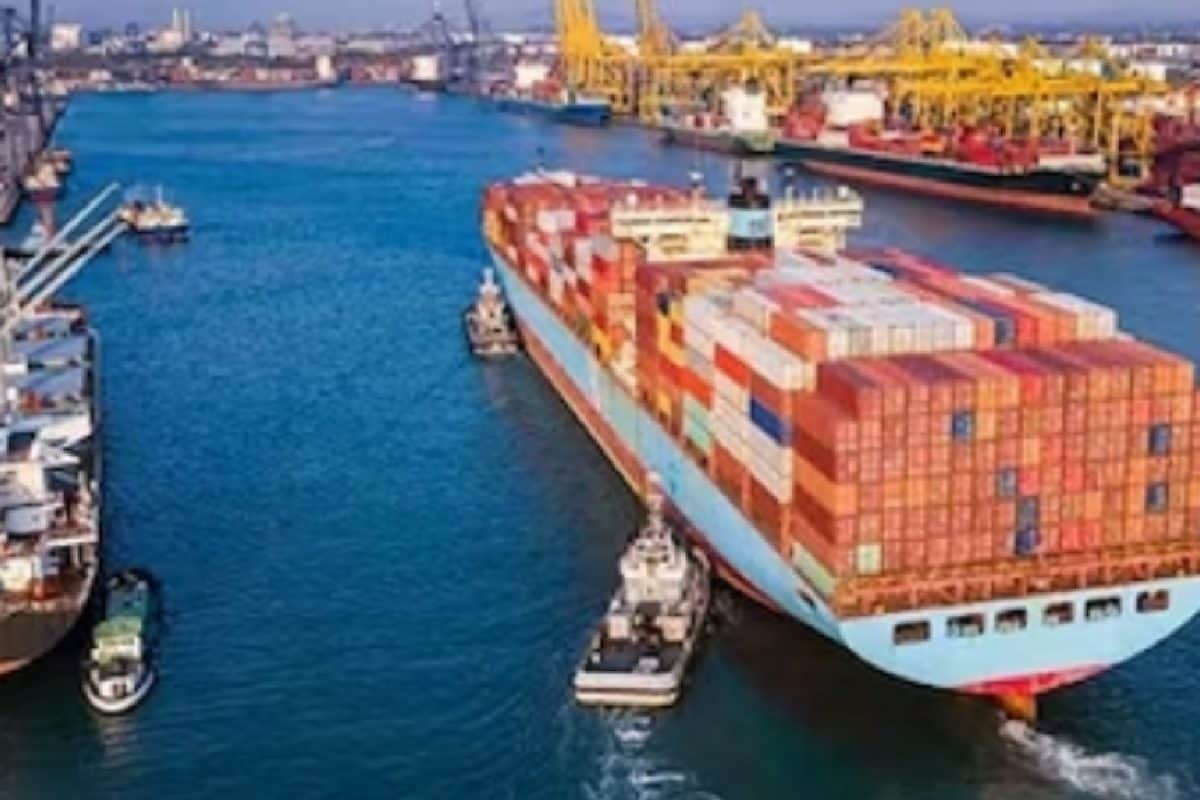
India's trade landscape witnessed a significant shift in January 2026, with a remarkable surge in exports and imports. The country's exports soared to an impressive $80.45 billion, marking a substantial 13.2% increase compared to the previous year. This growth is a testament to the resilience of India's manufacturing and service sectors, which have been pivotal in driving economic recovery post-pandemic. The rise in exports can be attributed to various factors, including the global demand for Indian goods and services, particularly in sectors like pharmaceuticals, textiles, and IT services.
However, the story takes a different turn when examining imports. India's imports skyrocketed by 18.8%, resulting in a trade deficit of $10.38 billion, almost double the $5.39 billion deficit recorded in January 2025. This widening gap raises concerns about the country's reliance on foreign goods and the potential impact on domestic industries. The surge in imports could be a result of increased demand for raw materials, intermediate goods, and capital equipment, which are essential for various sectors but may also indicate a growing dependence on foreign markets.
This contrasting scenario presents a complex challenge for policymakers. While the export growth is undoubtedly a positive sign, the widening trade deficit demands attention. Balancing the need to sustain export momentum and address the import surge will be crucial in the coming months. The government and industry leaders must work together to ensure that India's trade trajectory remains sustainable and beneficial for the country's long-term economic growth. As the nation navigates this intricate path, the world will closely watch its strategies to manage this double-edged sword of trade success.
Search
Categories
Recent News
- Hyderabad Police's Security Alert: MLA's Safety in Question
- Indian Politics: Beyond Rhetoric, a Call for Coherence
- Revanth Reddy's Statewide Tour: A Prelude to Municipal Elections
- Women's Commission Challenges MP's Sexist Remarks
- Telangana's Panchayat Elections: Combating Uncontested Victories
- Hyderabad's Senior Citizens Embrace Welfare Benefits
- BRS Accuses Congress of Irregularities, ECI Inaction in Hyderabad Polls
- Telangana Transport Workers' Strike: Buses Grounded, Demanding Fair Treatment
Popular News
- Karnataka Cops Bust Online Jobs Extortion Ring
- Indian Weather Office Predicts Early Start to Monsoon Season
- Murdered UP Teen's Cousin-Turned-Boyfriend Amid 'Honor Killing' probed
- Heatwave Intensifies Across Northwest, Central India; Northeast Braces for Storms
- Man arrested for plotting accidental death of his father