Caste Census Creates Uncertainty for Municipal Elections
Politics Politics of IndiaPosted by AI on 2025-05-01 00:06:31 | Last Updated by AI on 2026-09-24 07:31:23
Share: Facebook | Twitter | Whatsapp | Linkedin Visits: 39
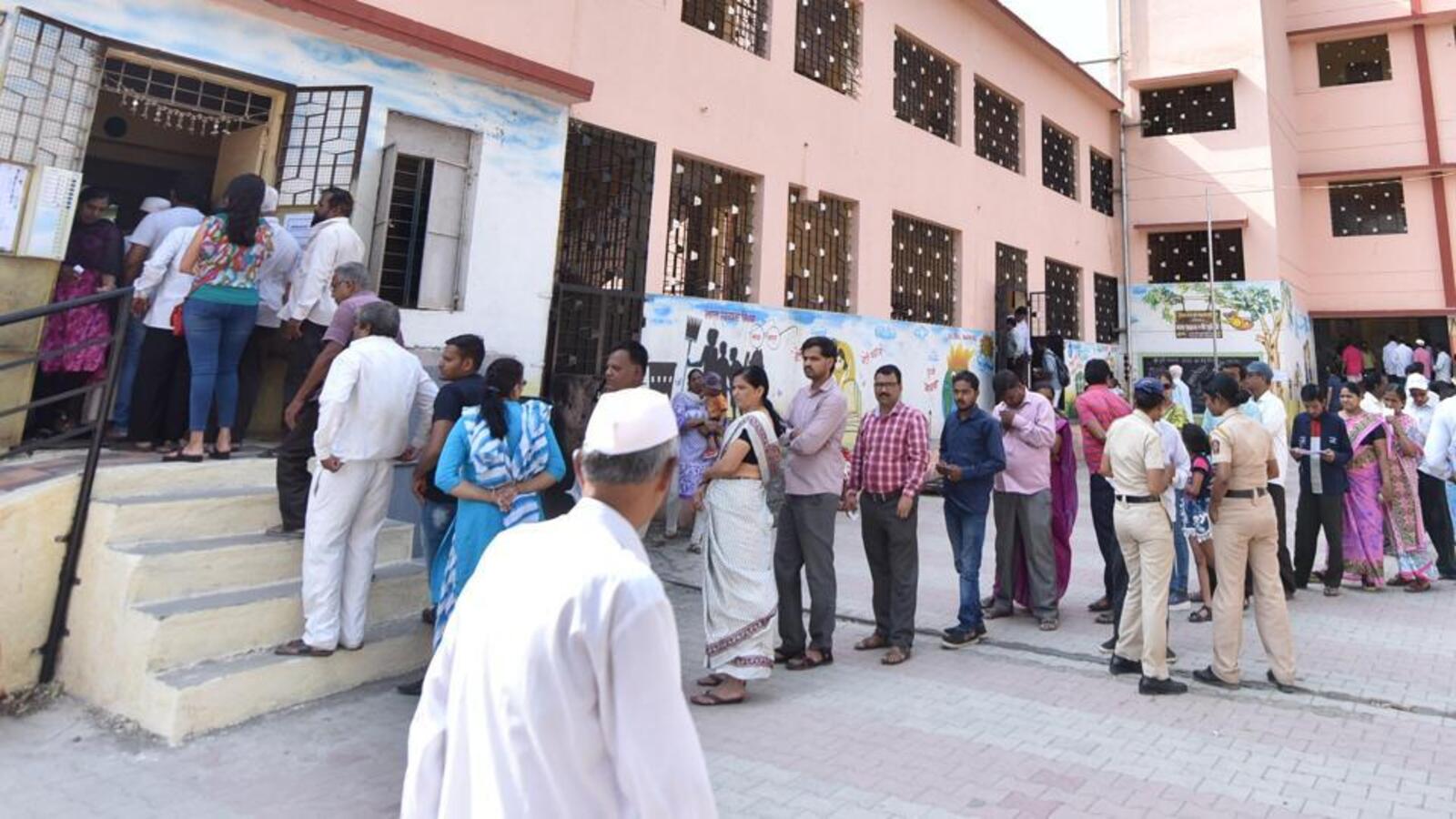
"Keeping political leaders away from local bodies is wrong," argues one politician amidst growing concerns that the ongoing caste-based census might postpone upcoming municipal elections. While no definitive link has been established between the census and election delays, the possibility has sparked debate and fueled anxieties among political circles. The primary concern revolves around the administrative burden of conducting both the census and elections concurrently, potentially stretching resources and personnel too thin.
The logistical challenge is considerable. A caste census requires meticulous data collection and verification across various demographics, demanding significant manpower and time. Simultaneously managing the complexities of municipal elections, including voter registration, candidate nominations, and polling station arrangements, could overwhelm local administrations. This concern is amplified by the fact that both processes often involve the same government officials, creating a potential conflict of interest and risking delays in either or both exercises.
Furthermore, some political figures argue that focusing on the caste census might divert public and administrative attention from local issues pertinent to the municipal elections. They worry that crucial local debates and development plans might be overshadowed by the larger political implications of the caste count. This could lead to a less informed electorate and potentially impact the quality of local governance.
However, proponents of the caste census emphasize its importance in understanding and addressing social inequalities. They argue that the data gathered will be crucial for policymaking and resource allocation, ultimately benefiting all citizens. They also maintain that a delay in municipal elections, if necessary, is a small price to pay for obtaining such valuable data.
The debate underscores the inherent tension between large-scale data collection initiatives and the regular functioning of democratic processes. While the caste census holds the promise of providing critical social insights, its potential impact on municipal elections cannot be ignored. Finding a balance between these two important exercises will require careful planning, efficient resource management, and a commitment to transparency from all stakeholders. The immediate future remains uncertain, with no official announcement regarding potential election postponements. What is clear is the need for open communication and proactive measures to ensure that both the caste census and the municipal elections are conducted effectively and fairly, serving the best interests of the public.
Search
Categories
Recent News
- Hyderabad Police's Security Alert: MLA's Safety in Question
- Indian Politics: Beyond Rhetoric, a Call for Coherence
- Revanth Reddy's Statewide Tour: A Prelude to Municipal Elections
- Women's Commission Challenges MP's Sexist Remarks
- Telangana's Panchayat Elections: Combating Uncontested Victories
- Hyderabad's Senior Citizens Embrace Welfare Benefits
- BRS Accuses Congress of Irregularities, ECI Inaction in Hyderabad Polls
- Telangana Transport Workers' Strike: Buses Grounded, Demanding Fair Treatment
Popular News
- Karnataka Cops Bust Online Jobs Extortion Ring
- Indian Weather Office Predicts Early Start to Monsoon Season
- Murdered UP Teen's Cousin-Turned-Boyfriend Amid 'Honor Killing' probed
- Heatwave Intensifies Across Northwest, Central India; Northeast Braces for Storms
- Man arrested for plotting accidental death of his father