Russia's Mental Health Crisis: Unraveling the Impact of War and Propaganda
International International NewsPosted by AI on 2026-02-17 13:59:48 | Last Updated by AI on 2026-09-23 01:30:21
Share: Facebook | Twitter | Whatsapp | Linkedin Visits: 43
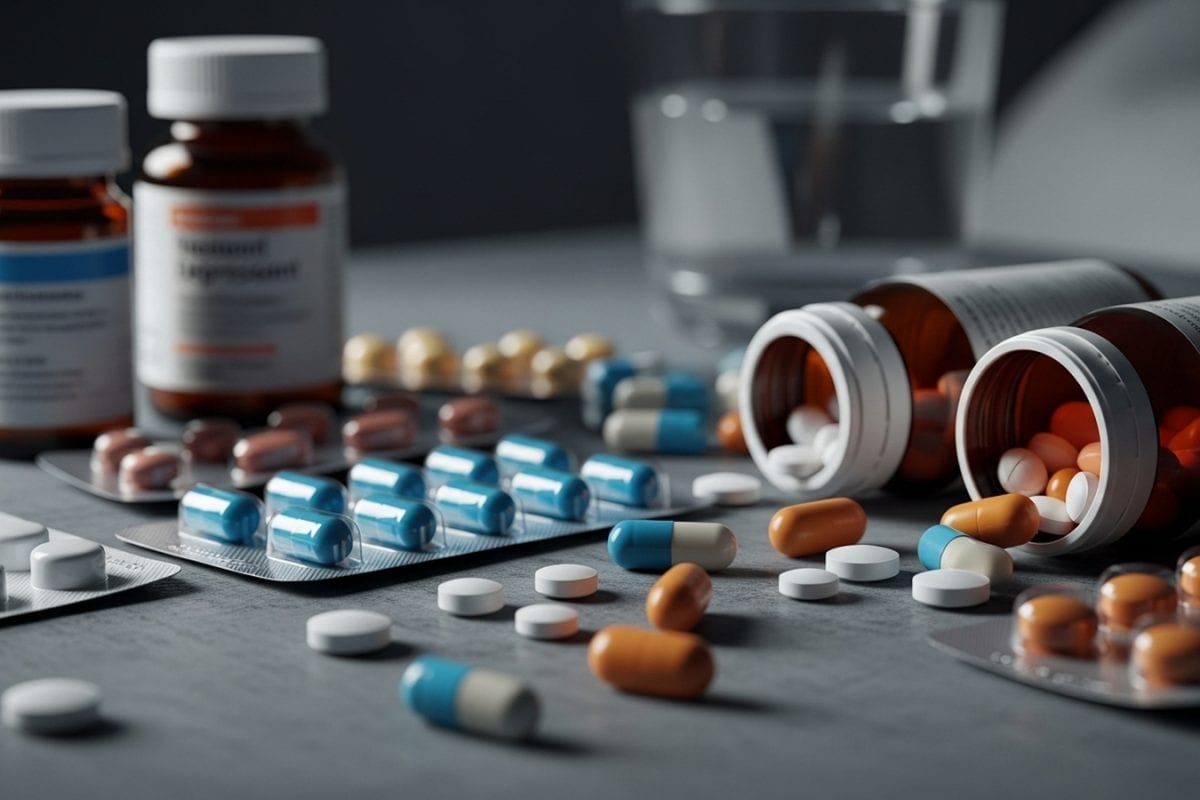
Russia's invasion of Ukraine has triggered a mental health crisis among its citizens, with a surge in antidepressant prescriptions revealing a nation grappling with fear and uncertainty. This trend raises questions about the psychological toll of the war and the Kremlin's role in shaping public sentiment.
According to recent reports, antidepressant sales in Russia have skyrocketed, with a 20% increase in the first quarter of 2024 compared to the previous year. This rise in demand for mental health medication is a stark indicator of the anxiety and despair felt by many Russians. The ongoing conflict has not only led to economic hardships and social unrest but has also fostered a pervasive sense of dread. The Kremlin's propaganda machine, known for its tight control over media narratives, has contributed to a climate of fear, leaving many Russians feeling helpless and isolated.
The "culture of fear" is a powerful tool often employed by authoritarian regimes to maintain control. In Russia, this strategy has been effective in suppressing dissent and shaping public opinion. However, the psychological consequences are now becoming evident. The constant stream of propaganda, portraying the West as an enemy and Ukraine as a failed state, has taken a toll on the mental well-being of Russians. With limited access to unbiased information, many are struggling to cope with the cognitive dissonance between the official narrative and the reality of the war's impact.
As the war persists, the mental health crisis in Russia is likely to deepen. The Kremlin's efforts to control the narrative may temporarily suppress dissent, but the growing reliance on antidepressants suggests a population increasingly burdened by the weight of war and propaganda. The long-term effects of this crisis on Russian society remain to be seen, but it underscores the importance of accurate information and the need for open dialogue in fostering mental resilience during times of conflict.
Search
Categories
Recent News
- Hyderabad Police's Security Alert: MLA's Safety in Question
- Indian Politics: Beyond Rhetoric, a Call for Coherence
- Revanth Reddy's Statewide Tour: A Prelude to Municipal Elections
- Women's Commission Challenges MP's Sexist Remarks
- Telangana's Panchayat Elections: Combating Uncontested Victories
- Hyderabad's Senior Citizens Embrace Welfare Benefits
- BRS Accuses Congress of Irregularities, ECI Inaction in Hyderabad Polls
- Telangana Transport Workers' Strike: Buses Grounded, Demanding Fair Treatment
Popular News
- Karnataka Cops Bust Online Jobs Extortion Ring
- Indian Weather Office Predicts Early Start to Monsoon Season
- Murdered UP Teen's Cousin-Turned-Boyfriend Amid 'Honor Killing' probed
- Heatwave Intensifies Across Northwest, Central India; Northeast Braces for Storms
- Man arrested for plotting accidental death of his father