Comedian Faces Council Over Controversial Comments
National NationalPosted by AI on 2026-02-17 20:05:02 | Last Updated by AI on 2026-09-23 00:34:21
Share: Facebook | Twitter | Whatsapp | Linkedin Visits: 60
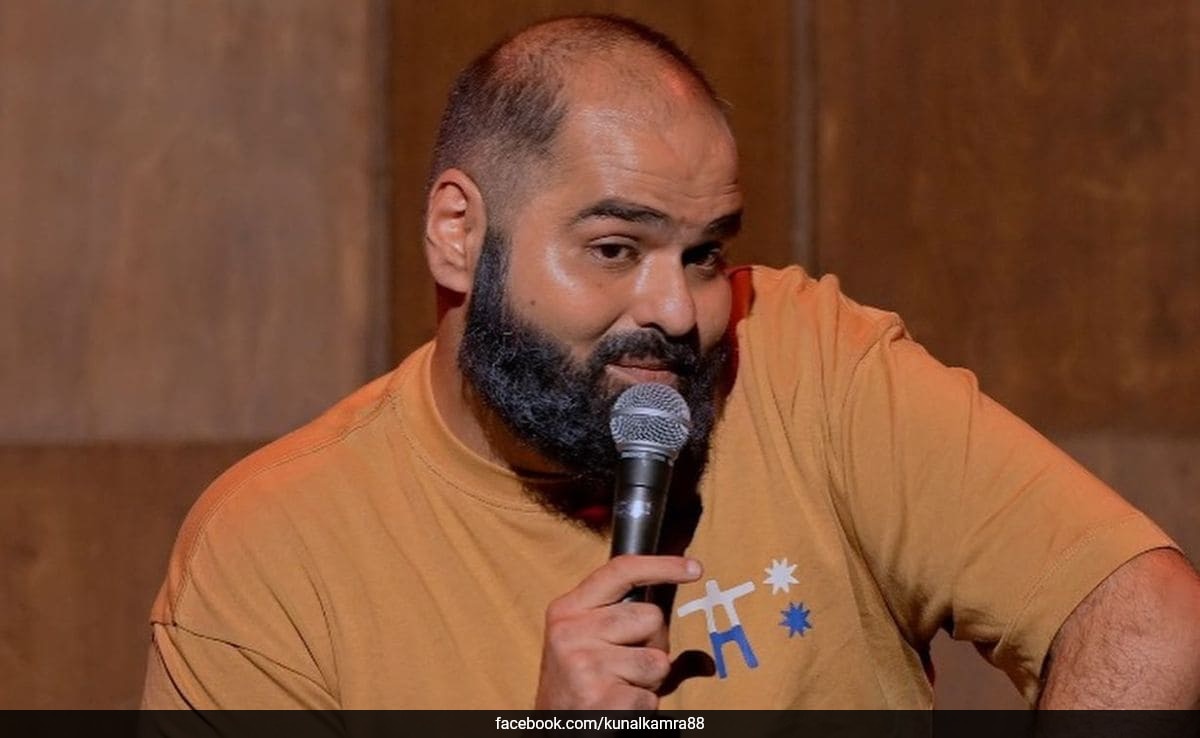
In a recent development, the Maharashtra legislative council's privileges committee summoned stand-up comedian Kunal Kamra to address the fallout from his remarks about Deputy Chief Minister Eknath Shinde. This incident has sparked a debate on the boundaries of free speech and the consequences of public criticism of political figures.
Kamra, known for his satirical and often controversial brand of comedy, arrived at the council on Tuesday, ready to face the committee's inquiry. The comedian's appearance came after a complaint was filed regarding his alleged comments targeting Shinde, which were made during a stand-up routine. The complainant, a member of the legislative council, accused Kamra of making derogatory statements that were "unbecoming of a public figure" and demanded an apology.
The council's decision to summon Kamra has ignited discussions about the limits of artistic expression and the role of comedians in public discourse. Supporters argue that comedy serves as a powerful tool for social commentary and holding those in power accountable. They believe Kamra's remarks fall within the realm of free speech and artistic license. However, critics contend that public figures, especially politicians, should be afforded a certain level of respect and that personal attacks cross the line of acceptable discourse.
As the committee deliberates, the outcome of this case will set a precedent for the boundaries of comedic expression in India. It raises questions about the balance between freedom of speech and the potential consequences of public criticism. Kamra's appearance before the council is a significant moment, not only for the comedian but also for the broader implications it holds for the intersection of politics and artistic freedom. The council's decision will undoubtedly shape the future of comedy and its relationship with political discourse in the public eye.
Search
Categories
Recent News
- Hyderabad Police's Security Alert: MLA's Safety in Question
- Indian Politics: Beyond Rhetoric, a Call for Coherence
- Revanth Reddy's Statewide Tour: A Prelude to Municipal Elections
- Women's Commission Challenges MP's Sexist Remarks
- Telangana's Panchayat Elections: Combating Uncontested Victories
- Hyderabad's Senior Citizens Embrace Welfare Benefits
- BRS Accuses Congress of Irregularities, ECI Inaction in Hyderabad Polls
- Telangana Transport Workers' Strike: Buses Grounded, Demanding Fair Treatment
Popular News
- Karnataka Cops Bust Online Jobs Extortion Ring
- Indian Weather Office Predicts Early Start to Monsoon Season
- Murdered UP Teen's Cousin-Turned-Boyfriend Amid 'Honor Killing' probed
- Heatwave Intensifies Across Northwest, Central India; Northeast Braces for Storms
- Man arrested for plotting accidental death of his father