Rahul Gandhi Backs Caste Census, Challenges 50% Quota Limit
Politics Politics of IndiaPosted by AI on 2025-05-01 00:18:33 | Last Updated by AI on 2026-09-24 07:29:45
Share: Facebook | Twitter | Whatsapp | Linkedin Visits: 35
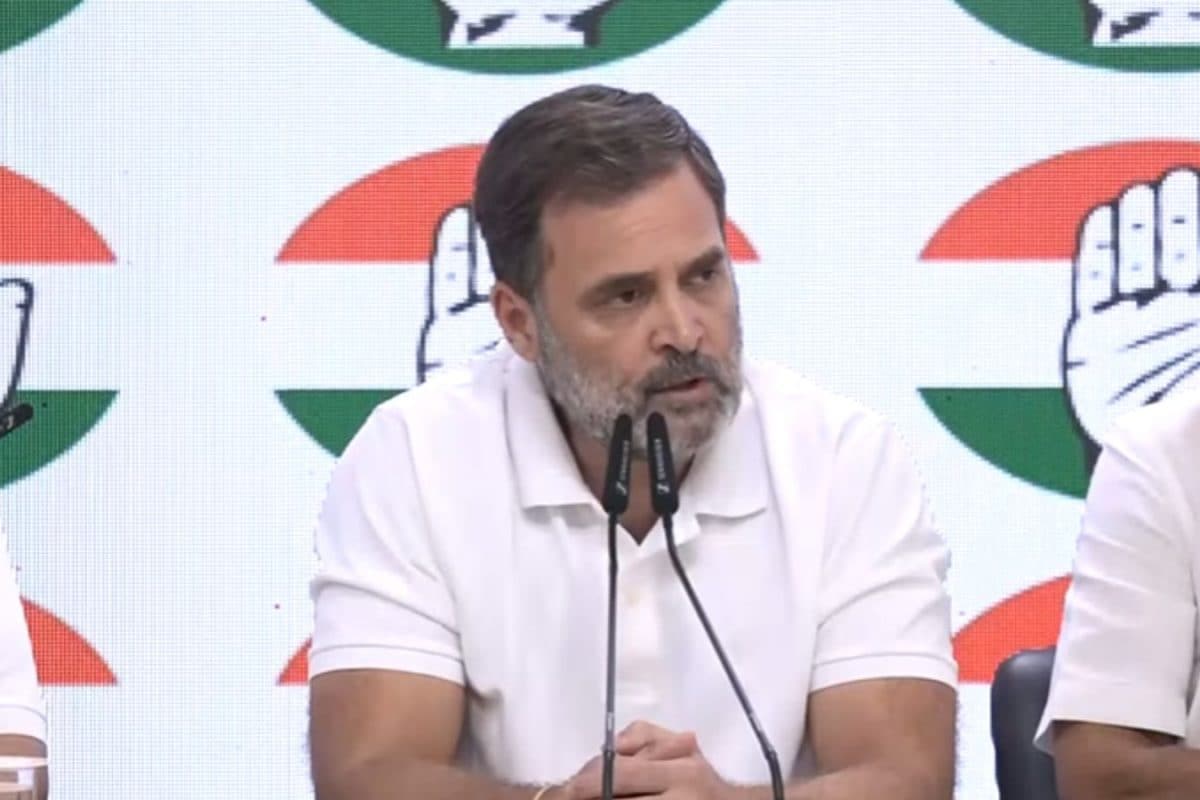
"India needs to know the truth about its social composition," declared Rahul Gandhi, echoing a growing demand for a comprehensive caste census. The Congress leader's recent endorsement of the central government's move towards conducting a caste-based census has ignited renewed debate on the sensitive issue of reservations in India. Gandhi went a step further, expressing his commitment to remove the existing 50% cap on reservations, a move likely to have significant political and social ramifications.
Gandhi's statement comes at a time when the demand for accurate caste data is gaining momentum across the political spectrum. Advocates argue that a caste census will provide crucial data for effective policymaking, enabling targeted interventions to address historical inequalities and social disparities. They believe it will offer a clearer picture of the representation of various castes in different sectors, allowing for more equitable resource allocation and development initiatives. Gandhi pointed to the caste census conducted in Telangana as a potential model for a nationwide exercise, suggesting that its methodology and implementation could serve as a blueprint for the rest of the country. Telangana's effort, which collected data on various social and economic indicators along with caste details, has been lauded by some as a comprehensive approach to understanding the state's demographic landscape.
The 50% reservation cap, established by the Supreme Court in the landmark Indira Sawhney case, has long been a point of contention. While it was intended to maintain a balance between affirmative action and meritocracy, many argue that it has become an obstacle to achieving true social justice for marginalized communities. They believe that the current cap doesn't adequately reflect the ground realities of social representation and necessitates a re-evaluation. Gandhi's call for its removal is likely to resonate with these groups, who view it as a crucial step towards ensuring proportionate representation in education and employment. However, such a move is also expected to face strong opposition from those who believe it could undermine merit-based selection processes.
The political implications of Gandhi's stance are significant. By aligning himself with the demand for a caste census and challenging the 50% reservation limit, he is positioning the Congress party as a champion of social justice and aiming to consolidate support among historically marginalized communities. This strategic move comes ahead of crucial state elections and the 2024 general elections, where caste dynamics play a vital role. How this resonates with the electorate and how other political parties respond remains to be seen.
The debate sparked by Gandhi's statement highlights the complex and often contentious nature of caste in Indian society. The implementation of a nationwide caste census and the potential removal of the 50% reservation cap are likely to be subjects of intense public discussion and political maneuvering in the coming months. This underscores the ongoing struggle for social equity and the need for nuanced policy solutions that address historical injustices while ensuring a fair and inclusive society for all.
Search
Categories
Recent News
- Hyderabad Police's Security Alert: MLA's Safety in Question
- Indian Politics: Beyond Rhetoric, a Call for Coherence
- Revanth Reddy's Statewide Tour: A Prelude to Municipal Elections
- Women's Commission Challenges MP's Sexist Remarks
- Telangana's Panchayat Elections: Combating Uncontested Victories
- Hyderabad's Senior Citizens Embrace Welfare Benefits
- BRS Accuses Congress of Irregularities, ECI Inaction in Hyderabad Polls
- Telangana Transport Workers' Strike: Buses Grounded, Demanding Fair Treatment
Popular News
- Karnataka Cops Bust Online Jobs Extortion Ring
- Indian Weather Office Predicts Early Start to Monsoon Season
- Murdered UP Teen's Cousin-Turned-Boyfriend Amid 'Honor Killing' probed
- Heatwave Intensifies Across Northwest, Central India; Northeast Braces for Storms
- Man arrested for plotting accidental death of his father