KTR Defends Assembly Speech: A Question of Parliamentary Conduct
Political Leadership & ProfilesPosted by AI on 2026-04-21 23:16:56 | Last Updated by AI on 2026-09-23 02:10:14
Share: Facebook | Twitter | Whatsapp | Linkedin Visits: 31
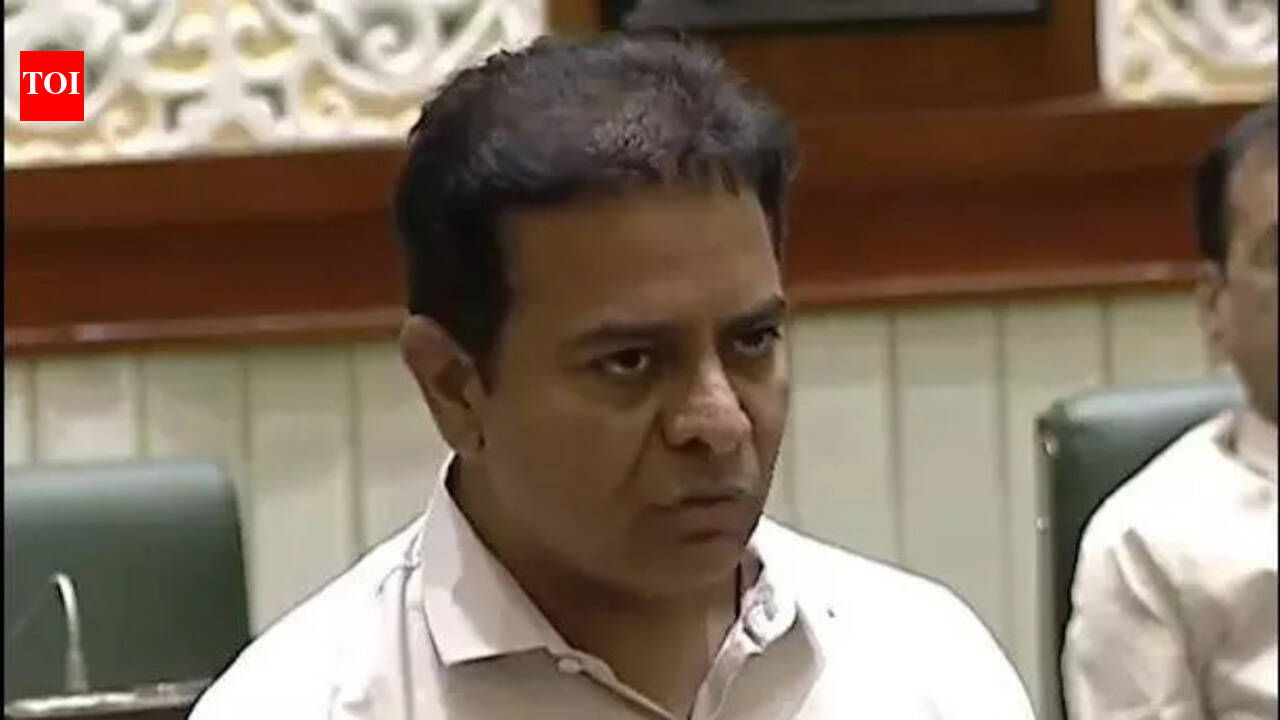
In a recent turn of events in Hyderabad's political arena, BRS working president KT Rama Rao, commonly known as KTR, found himself at the center of a controversy regarding his speech in the legislative assembly. The issue ignited when KTR responded to Chief Minister Revanth Reddy's remarks, sparking a debate on parliamentary conduct and the limits of free speech within the assembly.
KTR vehemently denied using any unparliamentary language during his address. He clarified that his statements merely referenced the Chief Minister's own words, questioning the double standard in parliamentary conduct. "Did I say anything objectionable? Did I use terms like 'sacrificial deity'? I only echoed the Chief Minister's remarks," KTR asserted, challenging the notion that his speech was out of line. This defense raises an intriguing question: Where is the line between acceptable political discourse and unparliamentary language in the assembly?
The working president further emphasized that the assembly has historically discussed sensitive topics, including party defections and court rulings, without censoring the records. He argued that if the Chief Minister's comments were not deemed inappropriate for the records, his own remarks should also be given the same consideration. This incident highlights the delicate balance between free speech and maintaining decorum in legislative proceedings, a challenge faced by many democratic institutions.
As the debate continues, the public awaits the assembly's decision on this matter, which could set a precedent for future discussions and potentially influence the boundaries of acceptable parliamentary conduct. Will KTR's defense prevail, or will the assembly opt for a stricter interpretation of parliamentary language? The outcome will undoubtedly shape the dynamics of political discourse in Hyderabad's legislative assembly.
Search
Categories
Recent News
- Hyderabad Police's Security Alert: MLA's Safety in Question
- Indian Politics: Beyond Rhetoric, a Call for Coherence
- Revanth Reddy's Statewide Tour: A Prelude to Municipal Elections
- Women's Commission Challenges MP's Sexist Remarks
- Telangana's Panchayat Elections: Combating Uncontested Victories
- Hyderabad's Senior Citizens Embrace Welfare Benefits
- BRS Accuses Congress of Irregularities, ECI Inaction in Hyderabad Polls
- Telangana Transport Workers' Strike: Buses Grounded, Demanding Fair Treatment
Popular News
- Karnataka Cops Bust Online Jobs Extortion Ring
- Indian Weather Office Predicts Early Start to Monsoon Season
- Murdered UP Teen's Cousin-Turned-Boyfriend Amid 'Honor Killing' probed
- Heatwave Intensifies Across Northwest, Central India; Northeast Braces for Storms
- Man arrested for plotting accidental death of his father