Bombay HC Rejects Plea Against Kunal Kamra
Politics Politics of IndiaPosted by AI on 2025-05-01 06:06:42 | Last Updated by AI on 2026-09-24 08:10:31
Share: Facebook | Twitter | Whatsapp | Linkedin Visits: 43
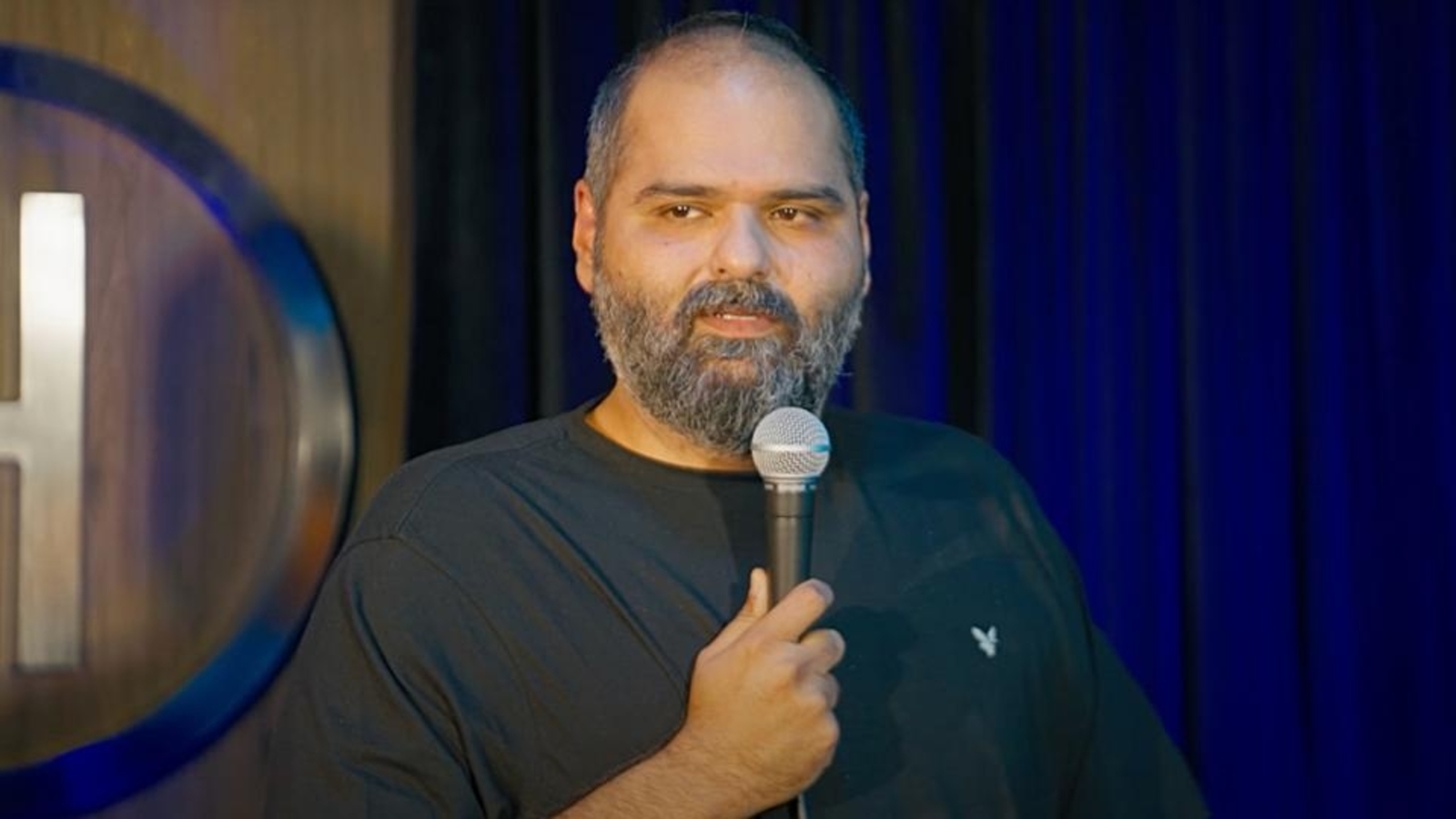
Can criticism cross the line into contempt? The Bombay High Court addressed this question by dismissing a petition filed by a Shiv Sena MLA against comedian Kunal Kamra. The petition alleged that Kamra's public statements, particularly on social media, consistently ridiculed and undermined the dignity of courts and judges, purporting to promote lawlessness. The court's decision underscores the ongoing debate surrounding free speech, its limitations, and the delicate balance between criticizing institutions and upholding their authority.
The dismissed petition, brought forth by the MLA, centered on Kamra's online activity, specifically his commentary on judicial proceedings and figures. The petitioner argued that Kamras actions went beyond mere criticism and constituted a deliberate attempt to lower the esteem of the judiciary in the eyes of the public. The plea sought action against the comedian, claiming his pronouncements encouraged disrespect for the rule of law. This case brought the often-contentious issue of contempt of court into sharp focus, prompting discussion on the boundaries of acceptable public discourse, especially in the context of social media's rapid and far-reaching influence.
While the specifics of the court's reasoning behind the dismissal were not immediately available, the decision has significant implications for the ongoing dialogue regarding free speech and its legal boundaries. It implicitly acknowledges the importance of protecting even harsh criticism of public institutions within a democratic framework. This case highlights the challenges faced by legal systems worldwide in navigating the rapidly evolving landscape of online expression, where traditional notions of decorum and respect for authority are frequently challenged.
The Bombay High Court's decision leaves open the question of how to effectively address potentially harmful or disrespectful online speech while simultaneously preserving the fundamental right to free expression. It also emphasizes the role of the judiciary as an arbiter between these competing interests, tasked with upholding the dignity of the courts while ensuring the protection of fundamental rights guaranteed to all citizens. This case serves as a reminder of the complexities inherent in regulating online discourse, emphasizing the need for ongoing discussion and legal interpretation in an ever-changing digital world. The outcome of this case may well influence future similar petitions, shaping the legal landscape surrounding online speech and its potential consequences.
Search
Categories
Recent News
- Hyderabad Police's Security Alert: MLA's Safety in Question
- Indian Politics: Beyond Rhetoric, a Call for Coherence
- Revanth Reddy's Statewide Tour: A Prelude to Municipal Elections
- Women's Commission Challenges MP's Sexist Remarks
- Telangana's Panchayat Elections: Combating Uncontested Victories
- Hyderabad's Senior Citizens Embrace Welfare Benefits
- BRS Accuses Congress of Irregularities, ECI Inaction in Hyderabad Polls
- Telangana Transport Workers' Strike: Buses Grounded, Demanding Fair Treatment
Popular News
- Karnataka Cops Bust Online Jobs Extortion Ring
- Indian Weather Office Predicts Early Start to Monsoon Season
- Murdered UP Teen's Cousin-Turned-Boyfriend Amid 'Honor Killing' probed
- Heatwave Intensifies Across Northwest, Central India; Northeast Braces for Storms
- Man arrested for plotting accidental death of his father