BJP Minister Accuses Congress of Neglecting Caste Census
Politics Politics of IndiaPosted by AI on 2025-05-02 00:35:08 | Last Updated by AI on 2026-09-24 08:11:28
Share: Facebook | Twitter | Whatsapp | Linkedin Visits: 723
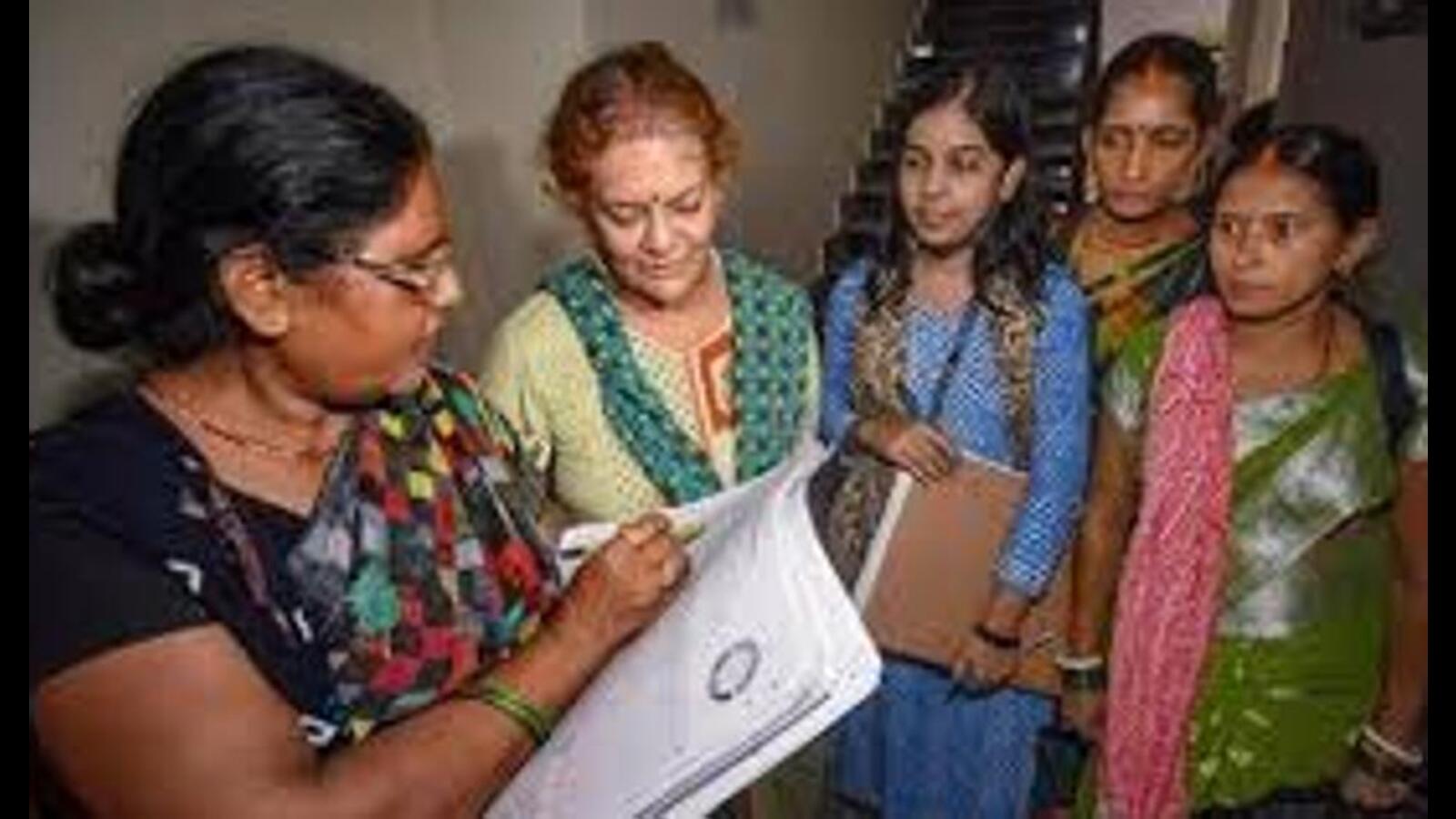
"Congress ruled the country for 60 years but never showed the courage to carry out a caste census." This sharp accusation, leveled by BJP minister Narendra Kashyap during a press conference in Lucknow, ignited a fresh debate about the politically sensitive issue of caste enumeration in India. Kashyap's statement directly targets the Congress party's long reign, alleging a deliberate avoidance of a caste census and a sustained misleading of the backward sections of society.
The timing of Kashyap's remarks coincides with renewed discussions surrounding the demand for a caste census, a long-standing issue advocated by various social and political groups. Proponents argue that a comprehensive caste count is essential for accurately assessing the socio-economic conditions of different caste groups and formulating targeted policies for their upliftment. They believe that existing data, primarily based on the decadal census which last included caste details in 1931 (except for Scheduled Castes and Scheduled Tribes), is inadequate to address the complexities of caste-based disparities.
Opponents, however, express concerns about the potential for social divisions and the politicization of caste identities that a caste census might exacerbate. They argue that such an exercise could reinforce existing inequalities and create new fault lines within society. The debate also involves complex technical and logistical challenges in conducting a nationwide caste census accurately and efficiently, given the fluidity and regional variations in caste classifications.
Kashyap's pointed criticism of the Congress party adds a political dimension to this ongoing discourse. He portrays the BJP as a champion of the backward classes, contrasting their stance with what he describes as the Congress's historical neglect of these communities. By raising this issue, the BJP aims to consolidate its support base among these groups and project itself as a party committed to their welfare. The Congress party, on the other hand, is likely to defend its record by highlighting its various social welfare programs and initiatives aimed at uplifting marginalized communities.
This renewed focus on the caste census issue comes ahead of crucial state elections and the upcoming general elections. The political ramifications of this debate are significant, as parties strategize to garner the support of various caste groups. Whether Kashyap's statements will lead to a substantive discussion on the merits and demerits of a caste census, or devolve into a political slugfest, remains to be seen. The issue continues to be a sensitive and complex one, with far-reaching implications for India's social and political landscape. The public discourse and the political maneuvering surrounding this demand will undoubtedly intensify in the days to come, with the potential to shape the electoral landscape and the future of social policy in India.
Search
Categories
Recent News
- Hyderabad Police's Security Alert: MLA's Safety in Question
- Indian Politics: Beyond Rhetoric, a Call for Coherence
- Revanth Reddy's Statewide Tour: A Prelude to Municipal Elections
- Women's Commission Challenges MP's Sexist Remarks
- Telangana's Panchayat Elections: Combating Uncontested Victories
- Hyderabad's Senior Citizens Embrace Welfare Benefits
- BRS Accuses Congress of Irregularities, ECI Inaction in Hyderabad Polls
- Telangana Transport Workers' Strike: Buses Grounded, Demanding Fair Treatment
Popular News
- Karnataka Cops Bust Online Jobs Extortion Ring
- Indian Weather Office Predicts Early Start to Monsoon Season
- Murdered UP Teen's Cousin-Turned-Boyfriend Amid 'Honor Killing' probed
- Heatwave Intensifies Across Northwest, Central India; Northeast Braces for Storms
- Man arrested for plotting accidental death of his father