Ceasefire Agreements
Current Affairs International IssuesPosted by newadmin on 2025-05-12 08:54:05 |
Share: Facebook | Twitter | Whatsapp | Linkedin Visits: 130
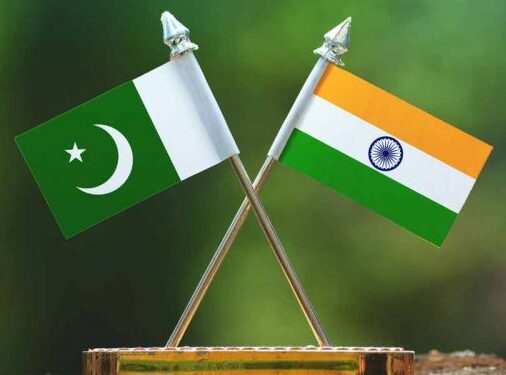
Recent developments in international relations underscore the critical role of ceasefire agreements in managing conflicts. On a recent Saturday, the Directors General of Military Operations from India and Pakistan agreed to a ceasefire, effectively halting all military actions. This step reflects ongoing efforts to reduce tensions and prevent further escalation in conflict zones.
A ceasefire is a temporary agreement between conflicting parties to suspend military activities. It serves as a critical step toward peace but does not legally end the state of war. Ceasefires can be formal or informal and are often established through direct negotiation or third-party intervention. They are designed to create a truce, allowing space for dialogue and reducing immediate violence, but without guaranteeing a permanent resolution.
Ceasefire agreements can vary in scope and complexity. They typically outline the duration of the ceasefire, prohibited acts, and the separation of armed forces to prevent accidental confrontations. Some agreements also establish buffer zones or demilitarized areas to reduce the risk of further conflict. These measures are intended to stabilize volatile situations and provide a foundation for more comprehensive peace negotiations.
Verification and monitoring are crucial components of effective ceasefire agreements. International organizations like the United Nations often play a key role in overseeing compliance through peacekeeping forces or joint monitoring commissions. These mechanisms help ensure that all parties adhere to the agreed terms and provide a means to address potential violations, reducing the risk of renewed hostilities.
Breaching a ceasefire can have significant legal and political consequences. While international law provides limited direct penalties for violations, the Hague Regulations offer some guidance. In practice, a serious breach may allow the affected party to resume hostilities or seek international support for punitive measures against the violator.
The concept of ceasefires has a long history, with early terms like truce and armistice carrying more rigid legal implications. However, the creation of the United Nations in 1945 brought a more flexible approach, encouraging the use of ceasefires as part of broader conflict resolution efforts. This evolution has allowed ceasefires to become a more adaptable and widely used tool in modern international diplomacy.
Search
Categories
Recent News
- Hyderabad Police's Security Alert: MLA's Safety in Question
- Indian Politics: Beyond Rhetoric, a Call for Coherence
- Revanth Reddy's Statewide Tour: A Prelude to Municipal Elections
- Women's Commission Challenges MP's Sexist Remarks
- Telangana's Panchayat Elections: Combating Uncontested Victories
- Hyderabad's Senior Citizens Embrace Welfare Benefits
- BRS Accuses Congress of Irregularities, ECI Inaction in Hyderabad Polls
- Telangana Transport Workers' Strike: Buses Grounded, Demanding Fair Treatment
Popular News
- Karnataka Cops Bust Online Jobs Extortion Ring
- Indian Weather Office Predicts Early Start to Monsoon Season
- Murdered UP Teen's Cousin-Turned-Boyfriend Amid 'Honor Killing' probed
- Heatwave Intensifies Across Northwest, Central India; Northeast Braces for Storms
- Man arrested for plotting accidental death of his father