Blackout Measures in India
Current Affairs International IssuesPosted by newadmin on 2025-05-12 08:58:50 |
Share: Facebook | Twitter | Whatsapp | Linkedin Visits: 126
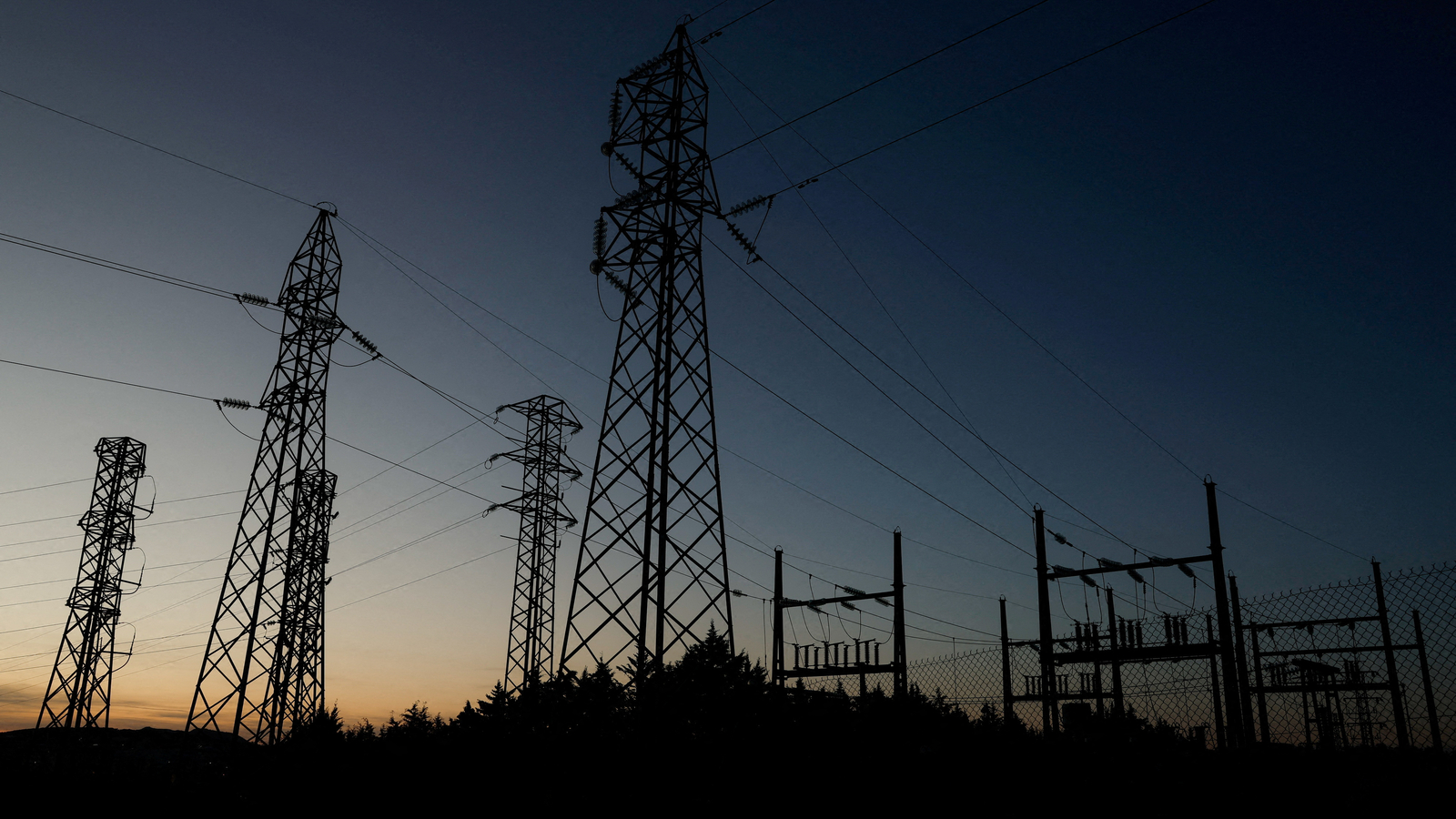
India has recently implemented blackout measures in over 15 cities in response to Pakistani drone and missile attacks targeting military areas. These blackouts are part of a broader strategy to protect civilian populations and critical infrastructure from potential aerial threats. Blackout measures involve turning off or significantly reducing light sources to make it harder for enemy aircraft to locate and target ground installations. This approach is intended to reduce the visibility of cities from the air, thereby enhancing national security.
Blackout measures are a critical component of civil defence. According to a 2003 directive from the Directorate General Civil Defence, no light should be visible from 5,000 feet above the ground during normal visibility. This directive aims to eliminate light sources that could guide enemy pilots, reducing the risk of accurate strikes on strategic targets.
The primary purpose of blackouts is to protect both civilians and key infrastructure. By creating a dark environment, the likelihood of enemy aircraft successfully identifying and targeting ground installations decreases. This approach also introduces psychological challenges for enemy pilots, making it harder for them to navigate and accurately strike their intended targets.
Implementing these lighting restrictions is a gradual process. Authorities reduce street lighting to a minimum and limit external building lights to the equivalent of a small bulb, helping to maintain a low-profile urban environment. This phased approach allows civilians to adjust while still carrying out essential activities, minimizing disruption to daily life.
Crash blackouts are a specific type of measure designed for factories and commercial buildings during air raid warnings. These measures prevent these structures from being easily identified as targets, providing a layer of protection for both the buildings and their surrounding areas. To reduce the risk of detection, auxiliary lighting must not rely on the main power grid, encouraging the use of backup or alternative power sources.
Civil defence drills play a crucial role in preparing citizens for these situations. These drills educate the public on how to respond effectively during aerial threats, ensuring that people understand the importance of blackout protocols. This proactive approach aims to enhance public awareness and empower citizens to contribute to their own safety.
The concept of blackouts has a long history, with similar strategies used in past conflicts to protect civilian populations and infrastructure. As technology and warfare evolve, these measures continue to adapt, reflecting the changing nature of modern military threats. This ongoing commitment to civil defence demonstrates India’s focus on maintaining national security in the face of emerging challenges.
Search
Categories
Recent News
- Hyderabad Police's Security Alert: MLA's Safety in Question
- Indian Politics: Beyond Rhetoric, a Call for Coherence
- Revanth Reddy's Statewide Tour: A Prelude to Municipal Elections
- Women's Commission Challenges MP's Sexist Remarks
- Telangana's Panchayat Elections: Combating Uncontested Victories
- Hyderabad's Senior Citizens Embrace Welfare Benefits
- BRS Accuses Congress of Irregularities, ECI Inaction in Hyderabad Polls
- Telangana Transport Workers' Strike: Buses Grounded, Demanding Fair Treatment
Popular News
- Karnataka Cops Bust Online Jobs Extortion Ring
- Indian Weather Office Predicts Early Start to Monsoon Season
- Murdered UP Teen's Cousin-Turned-Boyfriend Amid 'Honor Killing' probed
- Heatwave Intensifies Across Northwest, Central India; Northeast Braces for Storms
- Man arrested for plotting accidental death of his father