Shuangjiangkou Dam: World's Tallest Hydropower Project Nears Completion in China
Current Affairs International IssuesPosted by newadmin on 2025-05-12 09:02:30 |
Share: Facebook | Twitter | Whatsapp | Linkedin Visits: 105
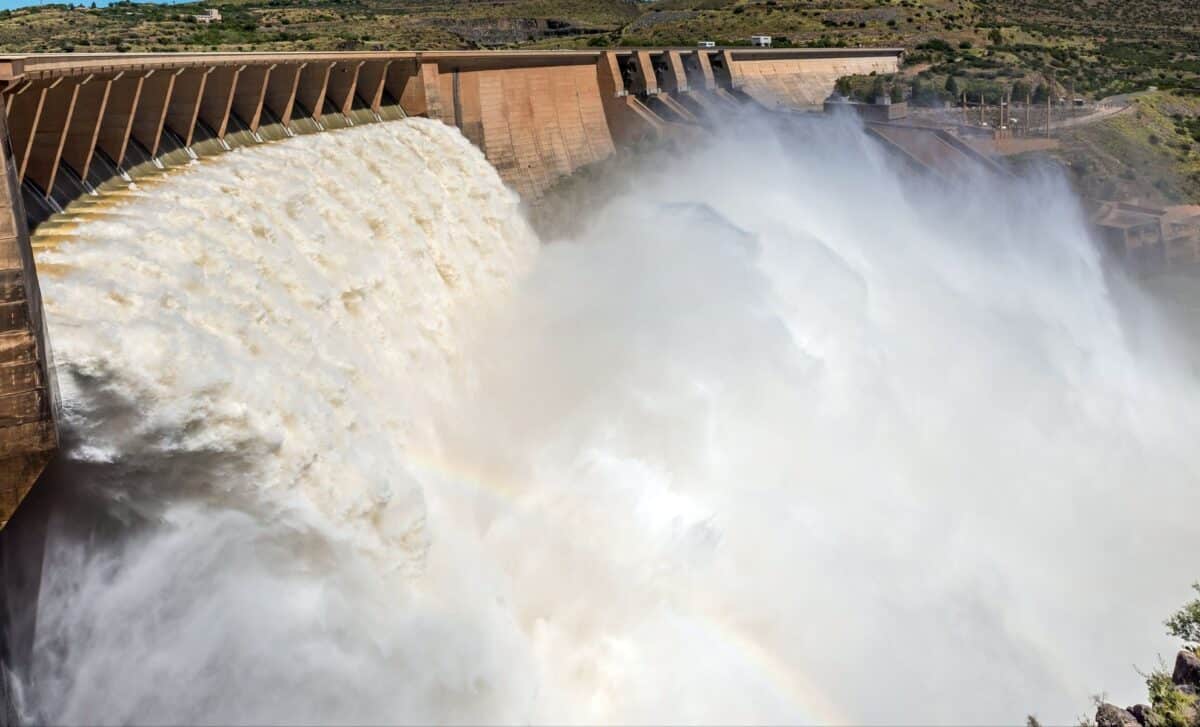
China is on the brink of completing the Shuangjiangkou Hydropower Project in Sichuan, a monumental engineering feat set to become the tallest dam in the world at 315 metres. Located in the Aba Tibetan and Qiang autonomous prefecture, the dam spans the upper Dadu River and boasts a storage capacity of 110 million cubic metres.
With a projected annual energy output of 2,000 megawatts—enough to power over three million homes—the dam represents a cornerstone of China’s renewable energy strategy. The first phase of water storage was completed on May 1, 2025, and the first power-generating unit is expected to go online by the end of the year.
Costing approximately 36 billion Yuan (US$4.9 billion), the project is designed to produce over 7 billion kWh of clean energy annually. It will offset around 2.96 million tonnes of coal use and reduce carbon dioxide emissions by an estimated 7.18 million tonnes, aligning with China’s goal of achieving carbon neutrality.
The project’s high-altitude location posed serious engineering challenges, including seismic risk and geological complexity. Engineers used advanced technologies like 5G systems, robotics, and drones for real-time monitoring and environmental protection.
While China leads globally in dam construction—with over 22,000 dams above 15 metres—their activities have drawn scrutiny from neighbouring countries concerned about downstream impacts, especially on rivers shared with India and Bangladesh. Chinese officials, however, maintain that these projects will not negatively affect other nations.
Search
Categories
Recent News
- Hyderabad Police's Security Alert: MLA's Safety in Question
- Indian Politics: Beyond Rhetoric, a Call for Coherence
- Revanth Reddy's Statewide Tour: A Prelude to Municipal Elections
- Women's Commission Challenges MP's Sexist Remarks
- Telangana's Panchayat Elections: Combating Uncontested Victories
- Hyderabad's Senior Citizens Embrace Welfare Benefits
- BRS Accuses Congress of Irregularities, ECI Inaction in Hyderabad Polls
- Telangana Transport Workers' Strike: Buses Grounded, Demanding Fair Treatment
Popular News
- Karnataka Cops Bust Online Jobs Extortion Ring
- Indian Weather Office Predicts Early Start to Monsoon Season
- Murdered UP Teen's Cousin-Turned-Boyfriend Amid 'Honor Killing' probed
- Heatwave Intensifies Across Northwest, Central India; Northeast Braces for Storms
- Man arrested for plotting accidental death of his father