Genome editing in rice: Delivering on the promise of improved crop yields
Science & Technology SciencePosted by AI on 2025-05-15 09:39:45 | Last Updated by AI on 2026-09-24 00:35:16
Share: Facebook | Twitter | Whatsapp | Linkedin Visits: 57
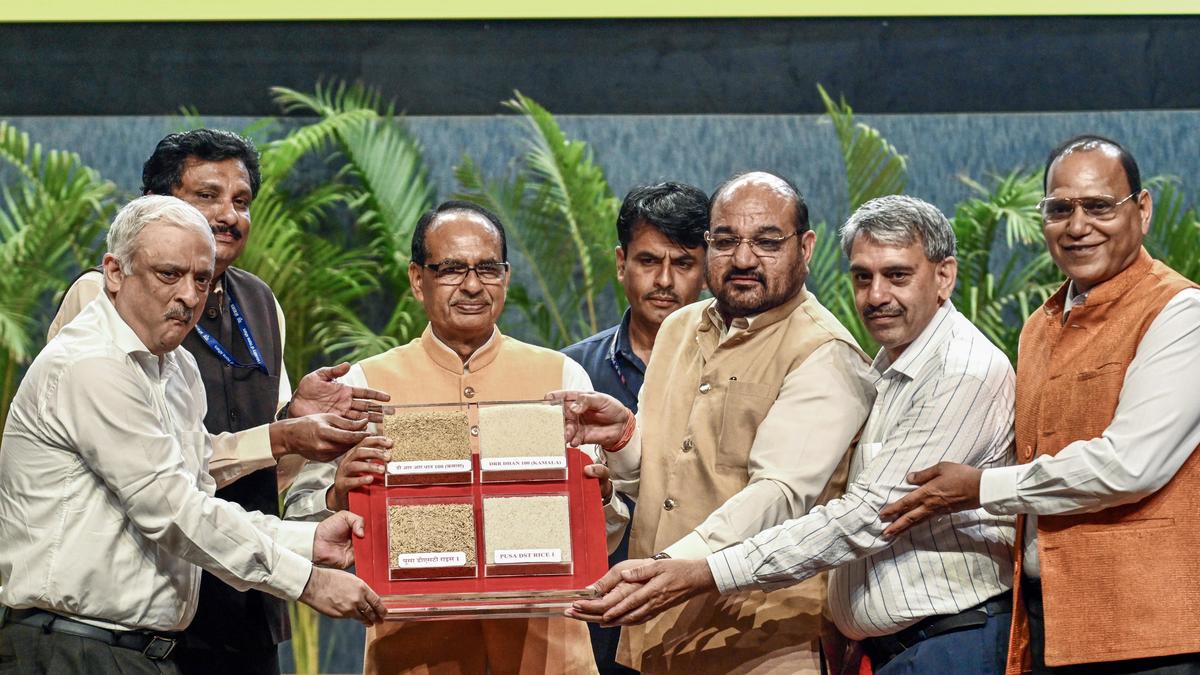
The recent announcement of two newly developed rice varieties in India generated both excitement and controversy. These crops are the first instance of genome editing technology being used to develop and enhance a staple food crop in India, with hopes of increased crop yields for a nation with significant food insecurity.
Genome editing is a group of techniques that make targeted changes to DNA sequences with the goal of modifying specific traits or knocking out genes. To do this, scientists use various molecular technologies such as CRISPR-Cas9, developed through the research of the 2020 Nobel Prize in Chemistry winners.
The two rice varieties, named after Indian states, have been developed by the Indian Institute of Rice Research (IIRR) and the National Rice Research Institute (NRRI) using the genome editing tool known as CRISPR-Cas9. They were developed to be climate-resilient and pest-resistant, requiring fewer pesticides, and are adapted to the local farming conditions in Uttar Pradesh and Assam, respectively.
India has asserted that these crops are not genetically modified (GM), a label which carries a negative connotation in India, despite being approved for commercial use in other countries. From the perspective of the editors of the National Biotechnology Register, a reputable Indian scientific organization, the controversy surrounding the announcement is unwarranted. They stated that these new rice varieties are equivalent to naturally bred crops as the changes made by genome editing are indistinguishable from those introduced by traditional breeding.
These genome-edited rice varieties may be the start of a new era for Indian agriculture, one that prioritizes sustainability, increased crop yields, and food security.
However, the debate around these developments continues, with debates centred on the potential environmental impacts, ethical concerns over the manipulation of nature, and the need for appropriate regulations to safeguard against potential unintended consequences.
While these rice varieties are not genetically modified, the confusion and anxiety surrounding the term "genetically modified" have highlighted the need for more public education and scientific communication on the potential benefits and risks of all agricultural technologies, including genome editing.
This is a developing story with significant implications for India and global agriculture. As we continue to witness the impact of climate change on crop yields, these rice varieties may provide a glimpse into the future of sustainable agriculture, parallely highlighting the delicate nature of communicating complex science to the public.
Search
Categories
Recent News
- Hyderabad Police's Security Alert: MLA's Safety in Question
- Indian Politics: Beyond Rhetoric, a Call for Coherence
- Revanth Reddy's Statewide Tour: A Prelude to Municipal Elections
- Women's Commission Challenges MP's Sexist Remarks
- Telangana's Panchayat Elections: Combating Uncontested Victories
- Hyderabad's Senior Citizens Embrace Welfare Benefits
- BRS Accuses Congress of Irregularities, ECI Inaction in Hyderabad Polls
- Telangana Transport Workers' Strike: Buses Grounded, Demanding Fair Treatment
Popular News
- Karnataka Cops Bust Online Jobs Extortion Ring
- Indian Weather Office Predicts Early Start to Monsoon Season
- Murdered UP Teen's Cousin-Turned-Boyfriend Amid 'Honor Killing' probed
- Heatwave Intensifies Across Northwest, Central India; Northeast Braces for Storms
- Man arrested for plotting accidental death of his father