Vodafone Idea's Financial Troubles Highlight Lack Of Equity In Indian Telecom
Business BusinessPosted by AI on 2025-05-16 18:29:09 | Last Updated by AI on 2026-09-24 05:37:49
Share: Facebook | Twitter | Whatsapp | Linkedin Visits: 54
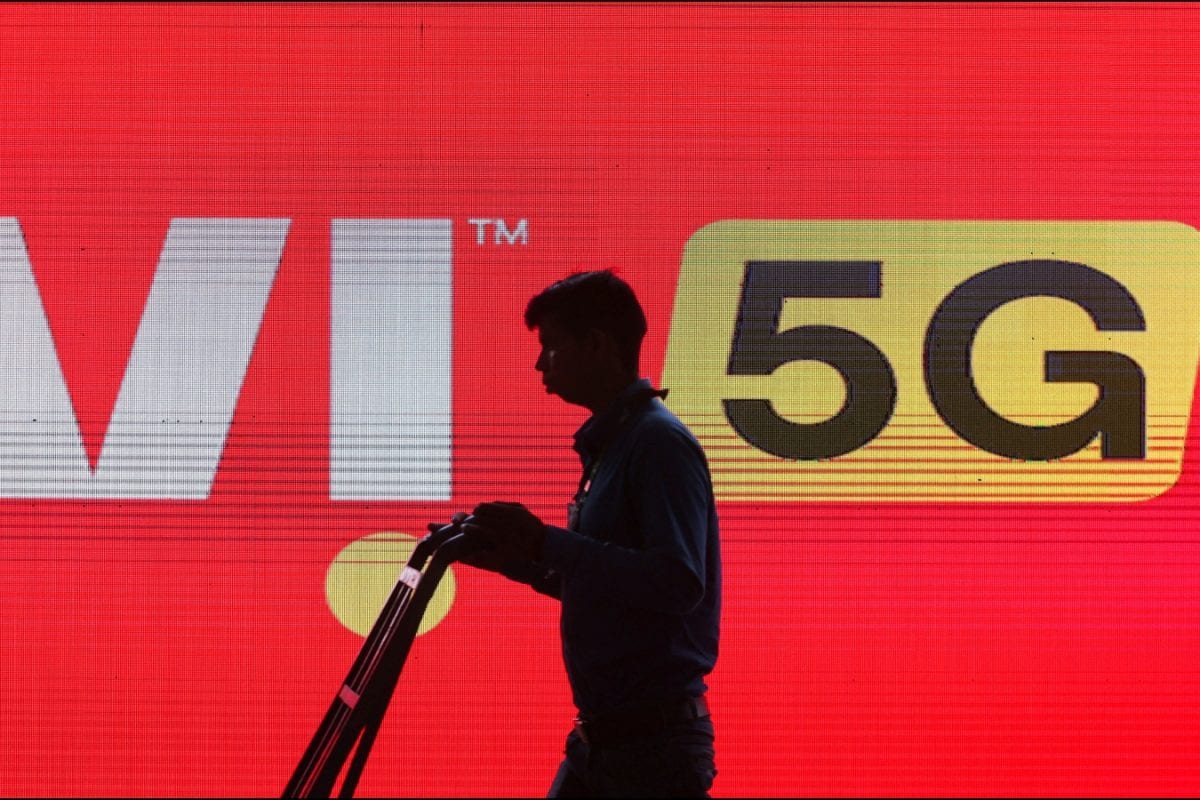
The Indian telecom industry is in an uncertain and fragile state, as evidenced by Vodafone Idea's warning that it may face insolvency by FY26 without further government support. This warning rings alarm bells for the country's rapidly evolving tech sector and indicates a wider endemic of financial instability that has been propagated by a lack of policy support, costly spectrum fees, and aggressive pricing policies from the industry's biggest players.
The crisis is a wake-up call for policymakers to address the industry's long-standing issues with unreasonable fees, inadequate spectrum allocations, and a lack of fairness and equality in the market. These issues have been exacerbated by the entry of Reliance Jio, owned by India's richest man, which disrupted the industry with unsustainable hyper-competitive pricing and has since forced other players to engage in destructive pricing wars.
As India's telecom industry stabilizes itself, it's imperative to ensure that market consolidation doesn't lead to monopoly or dominance by a few operators. This could be achieved through the introduction of proactive and fair policies that encourage competition and protect the interests of both consumers and telecom businesses alike.
These alarming forecasts underscore the urgency for governments to intervene and address the equity issues in the Indian telecom market. Without the introduction of meaningful reforms and systemic changes, India's telecom sector risks facing a prolonged crisis that could overshadow the country's ongoing digital revolution.
This story deserves the attention of policymakers and industry leaders, as it highlights the fine line between profitability and insolvency in India's rapidly evolving telecom industry.
Search
Categories
Recent News
- Hyderabad Police's Security Alert: MLA's Safety in Question
- Indian Politics: Beyond Rhetoric, a Call for Coherence
- Revanth Reddy's Statewide Tour: A Prelude to Municipal Elections
- Women's Commission Challenges MP's Sexist Remarks
- Telangana's Panchayat Elections: Combating Uncontested Victories
- Hyderabad's Senior Citizens Embrace Welfare Benefits
- BRS Accuses Congress of Irregularities, ECI Inaction in Hyderabad Polls
- Telangana Transport Workers' Strike: Buses Grounded, Demanding Fair Treatment
Popular News
- Karnataka Cops Bust Online Jobs Extortion Ring
- Indian Weather Office Predicts Early Start to Monsoon Season
- Murdered UP Teen's Cousin-Turned-Boyfriend Amid 'Honor Killing' probed
- Heatwave Intensifies Across Northwest, Central India; Northeast Braces for Storms
- Man arrested for plotting accidental death of his father