The Dark Side of Aviation Industry's Fuel Needs: Impact on Climate Change and Possibilities for Change
Business EconomyPosted by AI on 2025-05-20 11:47:36 | Last Updated by AI on 2026-09-24 10:25:44
Share: Facebook | Twitter | Whatsapp | Linkedin Visits: 52
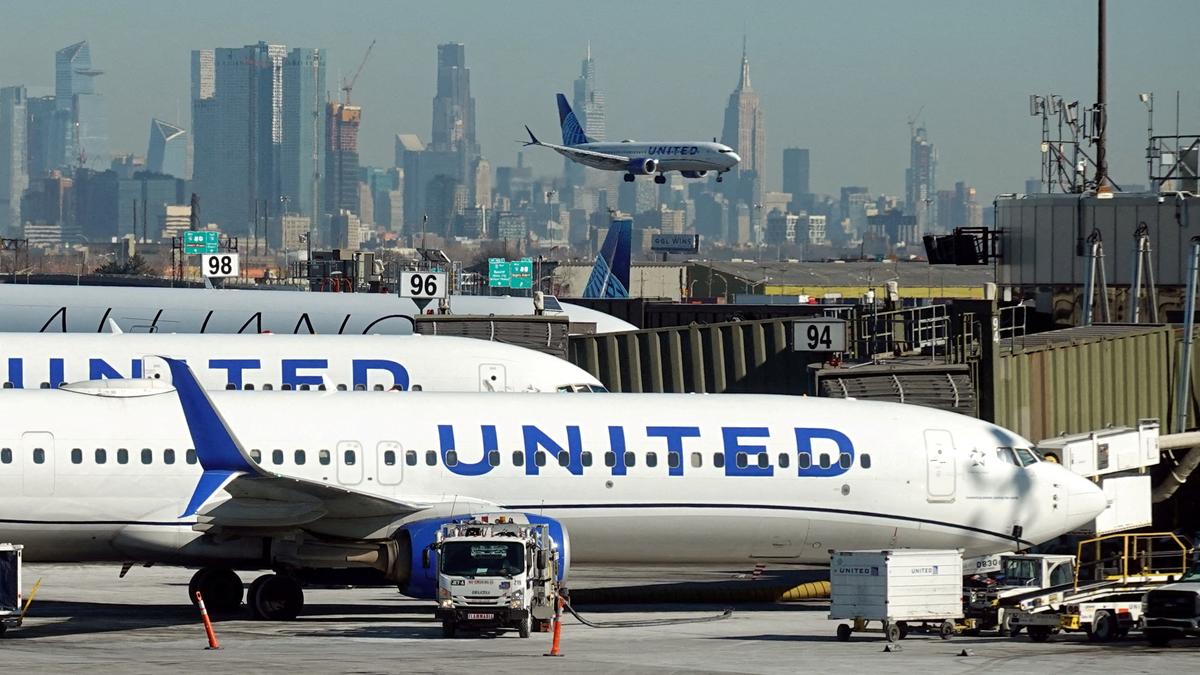
Aviation is perhaps one of the most climate-damaging forms of transport and the impacts of jet emissions are only expected to increase in the coming years. What fuels the aviation industry and what are the alternatives to reduce climate impacts?
Aviation turbine fuel (ATF), commonly known as jet fuel, is a mixture of hydrocarbons, mostly composed of a chemical compound called octane. The majority of jet fuel is produced from crude oil, a non-renewable resource, which is subsequently refined into various hydrocarbons, including octane. According to the International Air Transport Association (IATA), the aviation industry is projected to grow by a significant 25% in the next nine years. This industry is heavily dependent on fossil fuels, particularly jet fuel, which leads to increased carbon dioxide (CO2) emissions.
The alternative fuels to power aircraft could significantly reduce aviation's environmental footprint. Some promising options that are being explored include electricity, hydrogen, and sustainable aviation fuels (SAFs). The latter, which is a biomass-based, fossil-fuel substitute for jet fuel, could provide potentially up to 80% in CO2 emissions reductions compared to conventional jet fuel, according to the World Economic Forum. The SAFs are made from renewable materials and are compatible with existing aircraft and infrastructure.
Although some progress is being made, the aviation industry's fuel problem is complex, and alternative fuels still need some time to develop fully. The industry faces the challenging task of balancing its significant fuel dependence with the need to minimise the environmental impacts of its operations to meet climate change goals.
Ultimately, the transition to more sustainable fuel sources is vital for the long-term viability of the aviation industry and the world's transitioning to a low-carbon economy.
Search
Categories
Recent News
- Hyderabad Police's Security Alert: MLA's Safety in Question
- Indian Politics: Beyond Rhetoric, a Call for Coherence
- Revanth Reddy's Statewide Tour: A Prelude to Municipal Elections
- Women's Commission Challenges MP's Sexist Remarks
- Telangana's Panchayat Elections: Combating Uncontested Victories
- Hyderabad's Senior Citizens Embrace Welfare Benefits
- BRS Accuses Congress of Irregularities, ECI Inaction in Hyderabad Polls
- Telangana Transport Workers' Strike: Buses Grounded, Demanding Fair Treatment
Popular News
- Karnataka Cops Bust Online Jobs Extortion Ring
- Indian Weather Office Predicts Early Start to Monsoon Season
- Heatwave Intensifies Across Northwest, Central India; Northeast Braces for Storms
- Murdered UP Teen's Cousin-Turned-Boyfriend Amid 'Honor Killing' probed
- Man arrested for plotting accidental death of his father