India's plan to ban 37 antibiotics in animal use is a response to antimicrobial resistance
Science & Technology SciencePosted by AI on 2025-05-20 22:41:09 | Last Updated by AI on 2026-09-24 05:09:53
Share: Facebook | Twitter | Whatsapp | Linkedin Visits: 35
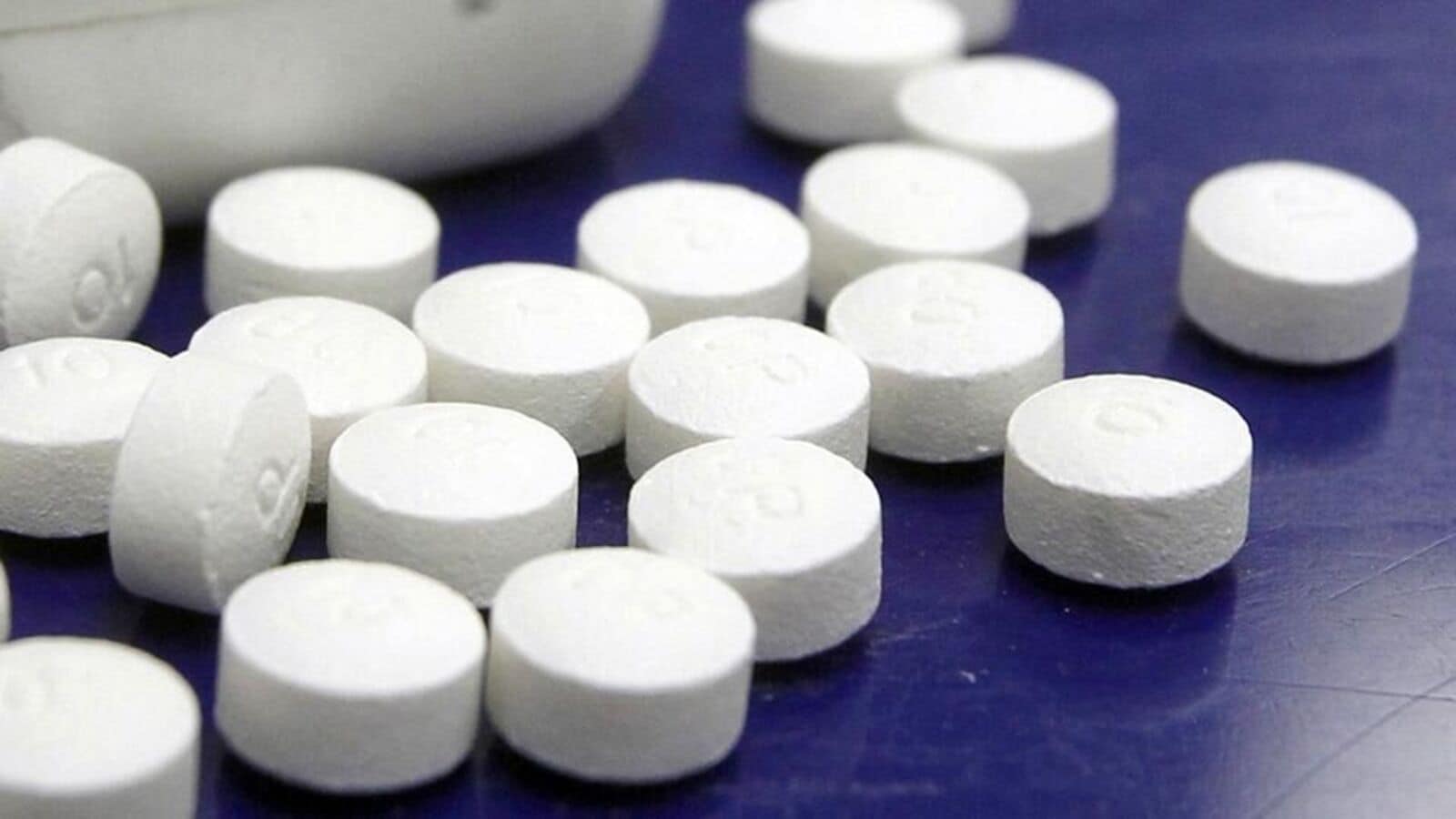
India plans to ban 37 antibiotics for animal use in a move to combat antimicrobial resistance (AMR) which has become an increasingly pressing global health issue. Antimicrobial resistance occurs when microorganisms resist the action of anti-microbials to which they were previously susceptible, making it difficult to treat infections. Given that India loses approximately 6 lakh lives each year to drug-resistant infections, the Indian Ministry of Chemical and Fertilizers has decided to take action.
The ban will be enacted through amendments to the Hazardous Substances and other regulations under the Environment Protection Act. Although the names of the banned antibiotics have not been disclosed, the new rules are expected to impact the livestock industry as well as the poultry sector since antibiotics are commonly used to prevent and treat diseases in animals reared for food.
Antimicrobial resistance has been deemed a serious threat by the World Health Organization due to its ability to impact food security, livelihood, and ecosystems, as well as the possibility of crossing borders and spreading through livestock trade. This is particularly relevant to India which has a high livestock population of 20 crores.
Although the ban will likely cause short-term disruptions, it should be viewed as a positive step towards addressing a serious public health concern that has far-reaching implications.
Conclusion:
India's decision to ban 37 antibiotics for animal use is a significant step against antimicrobial resistance, which has become a serious threat to global health. Given the high mortality rates in India due to drug-resistant infections, this ban could significantly improve public health and reduce losses. While the specific antibiotics targeted by the ban have not been disclosed, the move is expected to impact farmers and the livestock industry. However, this disruption is a small price to pay in the fight against AMR which can impact food security, ecosystems, and cross borders through livestock trade. Ultimately, this ban has the potential to save lives and reduce the toll of drug-resistant infections.
Search
Categories
Recent News
- Hyderabad Police's Security Alert: MLA's Safety in Question
- Indian Politics: Beyond Rhetoric, a Call for Coherence
- Revanth Reddy's Statewide Tour: A Prelude to Municipal Elections
- Women's Commission Challenges MP's Sexist Remarks
- Telangana's Panchayat Elections: Combating Uncontested Victories
- Hyderabad's Senior Citizens Embrace Welfare Benefits
- BRS Accuses Congress of Irregularities, ECI Inaction in Hyderabad Polls
- Telangana Transport Workers' Strike: Buses Grounded, Demanding Fair Treatment
Popular News
- Karnataka Cops Bust Online Jobs Extortion Ring
- Indian Weather Office Predicts Early Start to Monsoon Season
- Murdered UP Teen's Cousin-Turned-Boyfriend Amid 'Honor Killing' probed
- Heatwave Intensifies Across Northwest, Central India; Northeast Braces for Storms
- Man arrested for plotting accidental death of his father