India Opens AMCA Fighter Jet Contract to Private Sector, HAL to Compete for Prototype Deal
International International NewsPosted by NewAdmin on 2025-05-28 08:43:56 |
Share: Facebook | Twitter | Whatsapp | Linkedin Visits: 41
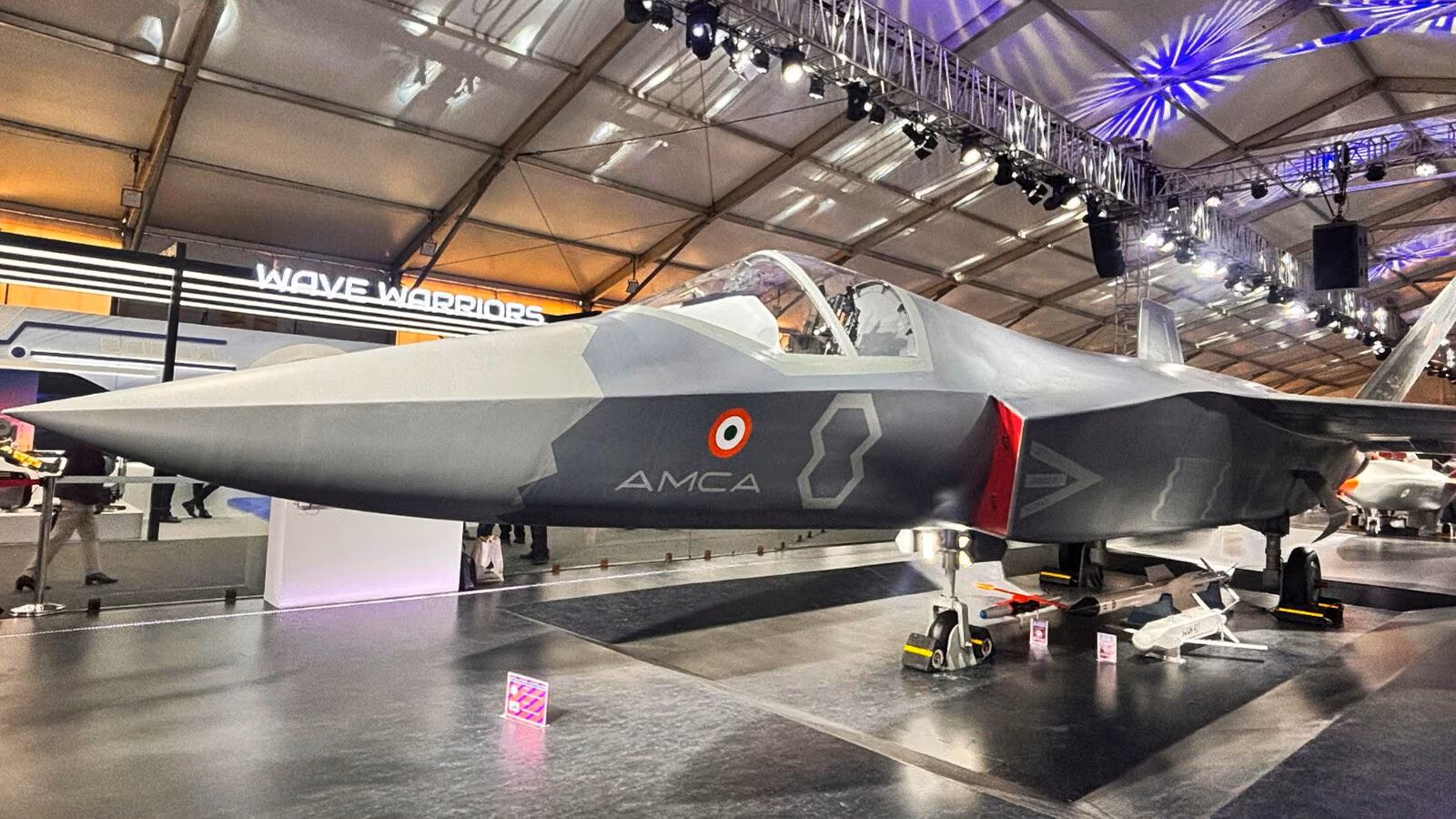
In a major policy shift aimed at strengthening India’s indigenous defence manufacturing capabilities, the government has approved a new execution model for the Advanced Medium Combat Aircraft (AMCA) programme. Under this model, Hindustan Aeronautics Limited (HAL), which has traditionally been the sole entity responsible for manufacturing fighter aircraft in India, will now have to compete with private companies to win the contract for developing the AMCA prototype. This decision was taken by Defence Minister Rajnath Singh and is seen as a strategic move to encourage competition and foster innovation in the domestic aerospace sector.
The Aeronautical Development Agency (ADA), which is spearheading the AMCA programme, will oversee the execution through an industry partnership model. According to the defence ministry, the new execution approach provides equal opportunity to both public and private sectors. Bids can be submitted either independently or as joint ventures or consortia, but all bidders must be Indian companies compliant with national laws and regulations. This effectively ends HAL’s position as the default production agency and opens the field to firms like Tata, Adani, and Larsen & Toubro, which are expected to participate in the competitive bidding process.
The ADA is set to release an Expression of Interest (EoI) shortly for the AMCA Development Phase. As per the official timeline, five AMCA prototypes are expected to be ready by 2031, with series production scheduled to begin by 2035. The Indian Air Force plans to induct at least seven squadrons of the fifth-generation fighter aircraft from 2035 onward.
This development marks a significant departure from the existing practice, where HAL would have been assigned the lead role, often collaborating with private companies for component manufacturing. The move is also seen as a response to past delays associated with HAL, notably in the Tejas programme. With private players like Tata already involved in manufacturing military transport aircraft in partnership with Airbus, there is growing confidence in their capability to contribute meaningfully to advanced defence projects like the AMCA.
Meanwhile, the urgency around the AMCA project is heightened by reports that China is accelerating the delivery of its fifth-generation J-35A fighter to Pakistan. The Chinese move, along with reports of sixth-generation aircraft developments, adds pressure on India to quickly advance its own capabilities. While there is speculation about India potentially exploring limited purchases of fifth-generation jets like the F-35 from the US, the current focus remains firmly on pushing forward with the AMCA programme.
Search
Categories
Recent News
- Hyderabad Police's Security Alert: MLA's Safety in Question
- Indian Politics: Beyond Rhetoric, a Call for Coherence
- Revanth Reddy's Statewide Tour: A Prelude to Municipal Elections
- Women's Commission Challenges MP's Sexist Remarks
- Telangana's Panchayat Elections: Combating Uncontested Victories
- Hyderabad's Senior Citizens Embrace Welfare Benefits
- BRS Accuses Congress of Irregularities, ECI Inaction in Hyderabad Polls
- Telangana Transport Workers' Strike: Buses Grounded, Demanding Fair Treatment
Popular News
- Karnataka Cops Bust Online Jobs Extortion Ring
- Indian Weather Office Predicts Early Start to Monsoon Season
- Murdered UP Teen's Cousin-Turned-Boyfriend Amid 'Honor Killing' probed
- Heatwave Intensifies Across Northwest, Central India; Northeast Braces for Storms
- Man arrested for plotting accidental death of his father