Israel to Establish 22 New Settlements in West Bank Amid Global Criticism and Escalating Conflict
International International NewsPosted by NewAdmin on 2025-05-29 09:04:22 |
Share: Facebook | Twitter | Whatsapp | Linkedin Visits: 31
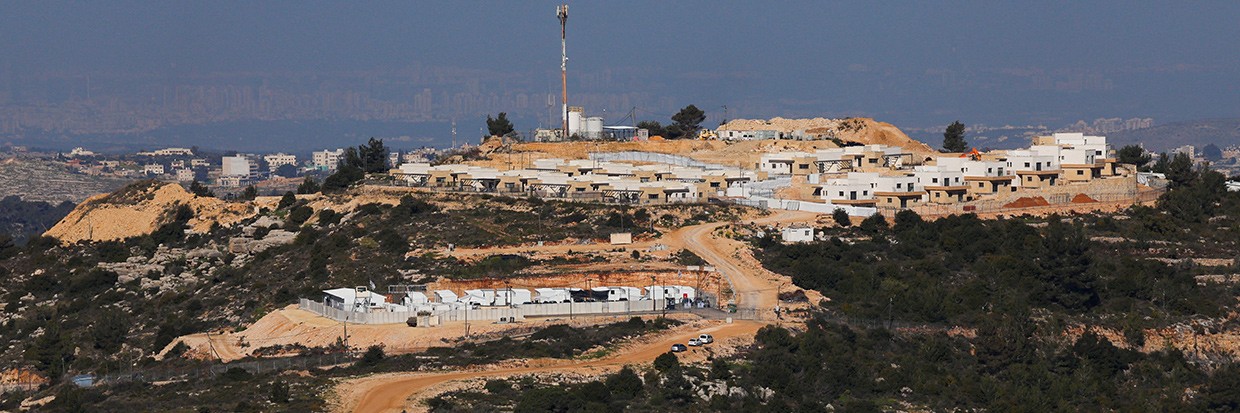
Israel announced on Thursday its plan to establish 22 new Jewish settlements in the occupied West Bank, including the legalization of unauthorized outposts that were previously constructed without official government approval. This move marks a significant expansion of Israel’s settlement policy in the territory, which has long been a focal point of the Israeli-Palestinian conflict. The settlements are viewed by most of the international community as illegal under international law and a major barrier to a two-state solution. The Palestinians claim the West Bank, along with Gaza and East Jerusalem, as part of a future independent state.
Israeli Defence Minister Israel Katz defended the decision, framing it as both a historical and strategic imperative. Referring to the West Bank by its biblical name, Judea and Samaria, he claimed the move affirms Israel’s historical right to the land and strengthens national security. Katz also argued that the expansion of settlements serves as a deterrent to Palestinian violence and as a means of obstructing the creation of a Palestinian state, which he claimed would threaten Israeli security.
Currently, over 100 Jewish settlements exist across the West Bank, housing more than 500,000 Israeli settlers. These settlements vary from small outposts to large, urban-style communities. Meanwhile, about 3 million Palestinians live in the West Bank, governed in part by the Israeli military and in part by the Palestinian Authority in designated areas. While settlers enjoy full Israeli citizenship and civil rights, Palestinians in the same area live under a mix of military and civil administration, with limited autonomy.
The expansion of settlements has accelerated in recent years, with a notable shift during Donald Trump's presidency, which supported Israel’s claims to territory occupied during the 1967 war. Although President Joe Biden has officially opposed the expansion, his administration has not exerted significant pressure on Israel to halt the settlement growth.
The International Court of Justice ruled last year that Israel’s presence in the occupied territories is illegal and called for an immediate halt to settlement construction. Israel rejected the non-binding ruling, asserting that the lands are historically Jewish. In parallel, some figures in the current Israeli government have proposed re-establishing settlements in Gaza, which Israel vacated in 2005, and encouraging the emigration of Palestinians, a proposal that has been widely condemned as a violation of international law. These developments come amid the ongoing war in Gaza, which began after Hamas's October 7, 2023, attack on Israel. The conflict has resulted in massive casualties and displacement, further intensifying tensions in the region.
Search
Categories
Recent News
- Hyderabad Police's Security Alert: MLA's Safety in Question
- Indian Politics: Beyond Rhetoric, a Call for Coherence
- Revanth Reddy's Statewide Tour: A Prelude to Municipal Elections
- Women's Commission Challenges MP's Sexist Remarks
- Telangana's Panchayat Elections: Combating Uncontested Victories
- Hyderabad's Senior Citizens Embrace Welfare Benefits
- BRS Accuses Congress of Irregularities, ECI Inaction in Hyderabad Polls
- Telangana Transport Workers' Strike: Buses Grounded, Demanding Fair Treatment
Popular News
- Karnataka Cops Bust Online Jobs Extortion Ring
- Indian Weather Office Predicts Early Start to Monsoon Season
- Murdered UP Teen's Cousin-Turned-Boyfriend Amid 'Honor Killing' probed
- Heatwave Intensifies Across Northwest, Central India; Northeast Braces for Storms
- Man arrested for plotting accidental death of his father