UK Faces Five-Week Deadline to Finalize US Trade Deal Amid Steel Tariff Threat
International International NewsPosted by NewAdmin on 2025-06-04 08:39:13 |
Share: Facebook | Twitter | Whatsapp | Linkedin Visits: 26
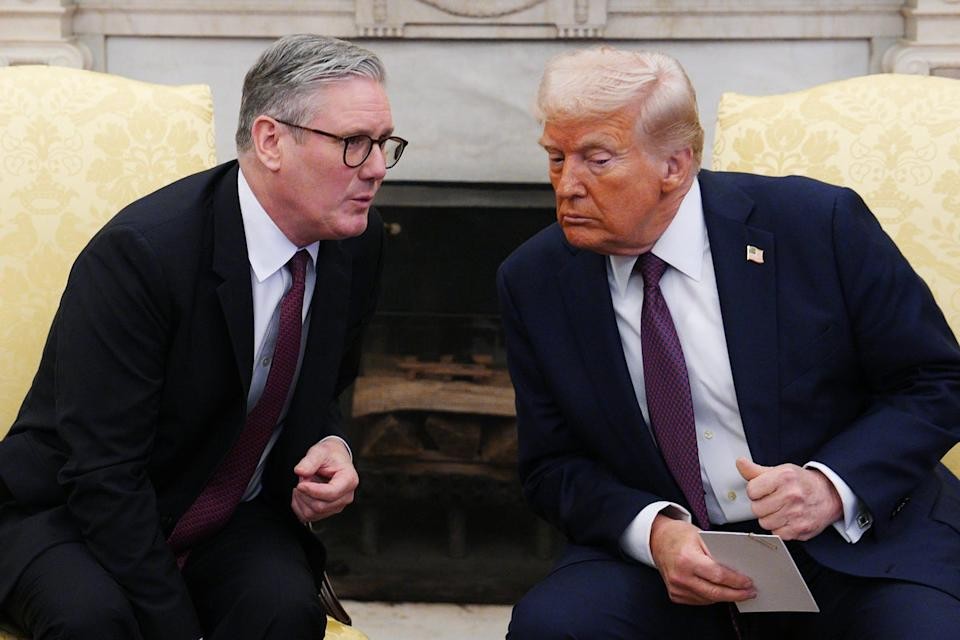
The United Kingdom is facing a five-week deadline imposed by the United States to finalize a trade agreement that would secure long-term relief from tariffs on steel and aluminum exports. This follows a temporary reprieve granted by US President Donald Trump, who held off from doubling the existing 25 percent tariffs to 50 percent. The exemption, though welcomed, is conditional and could be revoked if the UK fails to meet the terms outlined in a broader tariff-relief agreement announced last month by Trump and British Prime Minister Keir Starmer.
Although the UK avoided the immediate imposition of higher tariffs, the threat remains unless it complies with the deal’s provisions. The provisional agreement aims to eliminate the 25 percent tariff on British steel exports, which the UK government claims will help rescue a domestic industry under severe strain. British officials have acknowledged the urgent need to finalize the agreement and continue negotiations with US representatives. Business Secretary Jonathan Reynolds met with US Trade Representative Jamieson Greer in Paris to accelerate discussions, focusing on the swift implementation of sectoral tariff agreements. Reynolds emphasized that the benefits of the deal should be felt by both businesses and consumers on both sides of the Atlantic.
The UK steel industry, already under pressure from global overcapacity, declining prices, and weak demand, exports approximately 200,000 metric tons of steel annually to the US, worth over £400 million. Prolonged exposure to tariffs could jeopardize the sector’s future, prompting concern over Starmer’s decision to be the first leader to broker a deal with Trump under the new administration. The UK government has reiterated that the agreement would eliminate the tariffs and reduce automobile duties to 10 percent, while also opening UK markets to billions of dollars in US exports, including beef and ethanol.
A sticking point in the deal remains the ownership of British Steel, currently controlled by China’s Jingye Group. Though the UK took de-facto control of the company in April, full nationalization has been delayed due to the financial burden of covering its daily losses, estimated at £700,000. The White House’s latest proclamation suggests that Trump expects faster progress on resolving the Chinese ownership issue, potentially pushing the Starmer government to expedite finding a private partner or buyer. For now, the British steel industry has expressed cautious relief but maintains that full tariff removal is essential for long-term stability.
Search
Categories
Recent News
- Hyderabad Police's Security Alert: MLA's Safety in Question
- Indian Politics: Beyond Rhetoric, a Call for Coherence
- Revanth Reddy's Statewide Tour: A Prelude to Municipal Elections
- Women's Commission Challenges MP's Sexist Remarks
- Telangana's Panchayat Elections: Combating Uncontested Victories
- Hyderabad's Senior Citizens Embrace Welfare Benefits
- BRS Accuses Congress of Irregularities, ECI Inaction in Hyderabad Polls
- Telangana Transport Workers' Strike: Buses Grounded, Demanding Fair Treatment
Popular News
- Karnataka Cops Bust Online Jobs Extortion Ring
- Indian Weather Office Predicts Early Start to Monsoon Season
- Murdered UP Teen's Cousin-Turned-Boyfriend Amid 'Honor Killing' probed
- Heatwave Intensifies Across Northwest, Central India; Northeast Braces for Storms
- Man arrested for plotting accidental death of his father