France’s Nuclear Sharing Proposal and European Defence
Current Affairs International IssuesPosted by newadmin on 2025-06-04 08:57:31 |
Share: Facebook | Twitter | Whatsapp | Linkedin Visits: 118
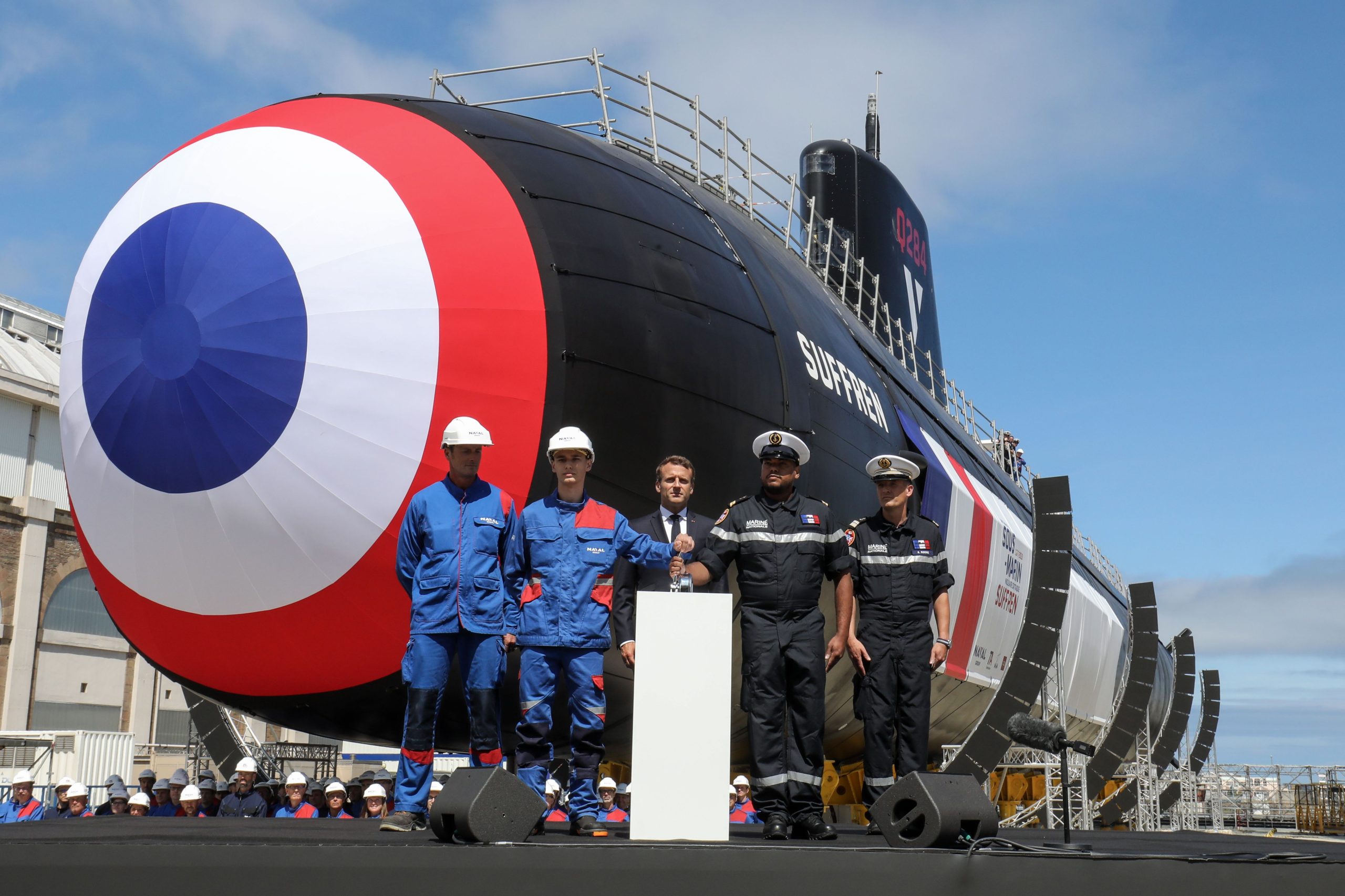
Recent developments have placed France at the center of European security debates. On May 14, 2025, President Emmanuel Macron expressed France’s openness to potentially stationing its nuclear weapons in other European countries. This declaration comes against the backdrop of growing security concerns stemming from the ongoing Russia-Ukraine conflict. Macron’s statement is aligned with France’s broader vision for achieving “European strategic autonomy,” a concept aimed at bolstering the European Union’s independent defense capabilities without complete reliance on NATO or external powers.
At the heart of the conversation is the concept of nuclear sharing, which involves a nuclear-armed country deploying its nuclear weapons on the territory of allied, non-nuclear states. The United States has long implemented such a system within NATO, placing B61 tactical nuclear bombs in several member states as a way to reinforce alliance solidarity and distribute the burden and risk of nuclear deterrence. Macron’s suggestion signals that France might consider adopting a similar strategy, which would represent a notable shift in its traditional nuclear doctrine.
France currently maintains a nuclear arsenal of about 290 warheads, which are primarily delivered through submarine-launched ballistic missiles and by Rafale fighter jets. The idea of extending France’s nuclear deterrent to the territory of other European nations raises a range of logistical and doctrinal questions. Experts argue that, should France move forward with this approach, an increase in its stockpile might be necessary to ensure the credibility and effectiveness of its deterrent force.
The implications of this proposal for European deterrence are complex and layered. Supporters believe that the deployment of French nuclear weapons across Europe could reinforce collective defense against Russia, thereby strengthening NATO’s overall nuclear posture. However, critics caution that such a move might provoke a sharp response from Moscow and contribute to escalating tensions. Russia has previously condemned NATO’s military build-up in Eastern Europe, viewing it as a direct threat to its national security.
The legal dimension of nuclear sharing adds another layer of complexity. Under the 1968 Nuclear Non-Proliferation Treaty (NPT), nuclear-armed states are prohibited from transferring nuclear weapons to non-nuclear states. NATO’s current nuclear sharing arrangements are justified by the fact that the United States retains full control and ownership of the weapons, even when deployed on allied soil. However, this interpretation is disputed by some legal scholars and non-proliferation advocates who argue that it violates the spirit, if not the letter, of the treaty.
France’s willingness to discuss nuclear sharing indicates a significant evolution in its strategic thinking. Historically, France has upheld a strictly national approach to its nuclear deterrent, emphasizing sovereignty and independence. This recent shift reflects the changing security dynamics in Europe, as well as the growing recognition of the need for collective security mechanisms in the face of emerging external threats.
Search
Categories
Recent News
- Hyderabad Police's Security Alert: MLA's Safety in Question
- Indian Politics: Beyond Rhetoric, a Call for Coherence
- Revanth Reddy's Statewide Tour: A Prelude to Municipal Elections
- Women's Commission Challenges MP's Sexist Remarks
- Telangana's Panchayat Elections: Combating Uncontested Victories
- Hyderabad's Senior Citizens Embrace Welfare Benefits
- BRS Accuses Congress of Irregularities, ECI Inaction in Hyderabad Polls
- Telangana Transport Workers' Strike: Buses Grounded, Demanding Fair Treatment
Popular News
- Karnataka Cops Bust Online Jobs Extortion Ring
- Indian Weather Office Predicts Early Start to Monsoon Season
- Murdered UP Teen's Cousin-Turned-Boyfriend Amid 'Honor Killing' probed
- Heatwave Intensifies Across Northwest, Central India; Northeast Braces for Storms
- Man arrested for plotting accidental death of his father