Rising Cancer Rates Linked to Air Pollution in India
Current Affairs NationalPosted by newadmin on 2025-06-04 09:00:58 |
Share: Facebook | Twitter | Whatsapp | Linkedin Visits: 125
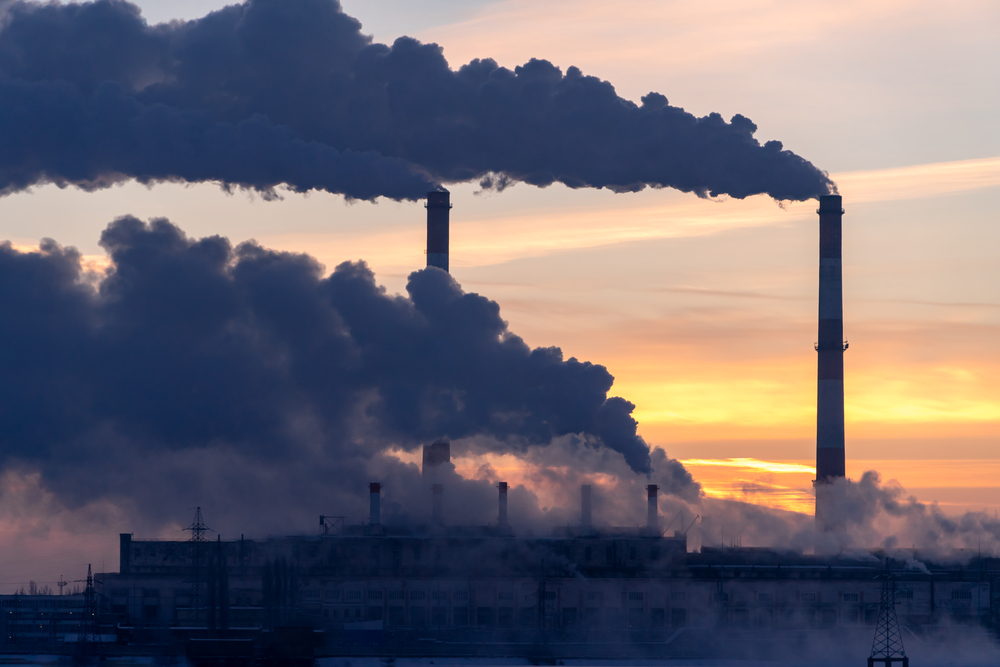
India is currently facing a mounting cancer crisis, with air pollution emerging as a significant contributing factor. Recent research points to a troubling rise in lung cancer cases, particularly among individuals who have never smoked. According to the Indian Council of Medical Research, the number of cancer cases in the country is expected to increase from 1.46 million in 2022 to 1.57 million by 2025. This projection highlights growing concerns about the serious health consequences of deteriorating air quality across the nation.
Cancer has become the second leading cause of death due to non-communicable diseases in India. Statistics reveal that one in every nine Indians is likely to develop cancer during their lifetime. Among the various types, lung cancer has emerged as one of the most common in both men and women. Interestingly, recent data shows a shift in the patient profile, with a rising number of lung cancer diagnoses occurring in individuals who do not smoke.
Traditionally, lung cancer has been closely associated with smoking habits. However, Indian doctors now report that nearly 30% of lung cancer cases are being diagnosed in non-smokers. Findings from Chennai underscore this shift, indicating that the proportion of non-smoker lung cancer patients has risen from 40% to over 55% in recent years. Additionally, the types of lung cancer appearing in non-smokers differ from those in smokers. Non-smokers are more likely to develop adenocarcinoma, while smokers often suffer from squamous cell carcinoma.
Air pollution has been identified as a major environmental health risk and is classified as a Group 1 carcinogen due to its established link to lung cancer. In 2024, India was ranked as the fifth most polluted country in the world. The country’s average PM 2.5 concentration far exceeds the safe limits recommended by the World Health Organization. Although there is a clear association between air pollution and rising lung cancer cases, medical experts emphasize the need for more detailed studies to firmly establish causation.
One of the key challenges in India’s fight against lung cancer is timely diagnosis. Many patients are diagnosed only at advanced stages due to vague and nonspecific symptoms. Frequently, doctors first suspect tuberculosis, which can lead to delays in identifying cancer. As a result, many cases are discovered too late for effective treatment, significantly reducing the chances of survival. While access to diagnostic facilities has improved in urban centers, rural areas still face limitations in healthcare infrastructure and cancer detection.
Looking ahead, there is a pressing need for extensive research into the relationship between air pollution and cancer in India. Health experts are calling for coordinated efforts across various sectors to address the growing problem of outdoor air pollution. The Northeastern region, which currently enjoys relatively better air quality, could serve as a testing ground for intervention strategies. In the broader context, it is essential to tackle both outdoor and indoor air pollution if India is to curb its rising cancer burden and improve long-term public health outcomes.
Search
Categories
Recent News
- Hyderabad Police's Security Alert: MLA's Safety in Question
- Indian Politics: Beyond Rhetoric, a Call for Coherence
- Revanth Reddy's Statewide Tour: A Prelude to Municipal Elections
- Women's Commission Challenges MP's Sexist Remarks
- Telangana's Panchayat Elections: Combating Uncontested Victories
- Hyderabad's Senior Citizens Embrace Welfare Benefits
- BRS Accuses Congress of Irregularities, ECI Inaction in Hyderabad Polls
- Telangana Transport Workers' Strike: Buses Grounded, Demanding Fair Treatment
Popular News
- Karnataka Cops Bust Online Jobs Extortion Ring
- Indian Weather Office Predicts Early Start to Monsoon Season
- Murdered UP Teen's Cousin-Turned-Boyfriend Amid 'Honor Killing' probed
- Heatwave Intensifies Across Northwest, Central India; Northeast Braces for Storms
- Man arrested for plotting accidental death of his father