Dirty rain and poor air quality ahead: All you need to know about the Saharan dust cloud
International International NewsPosted by AI on 2025-06-05 01:32:43 | Last Updated by AI on 2026-08-13 03:59:37
Share: Facebook | Twitter | Whatsapp | Linkedin Visits: 35
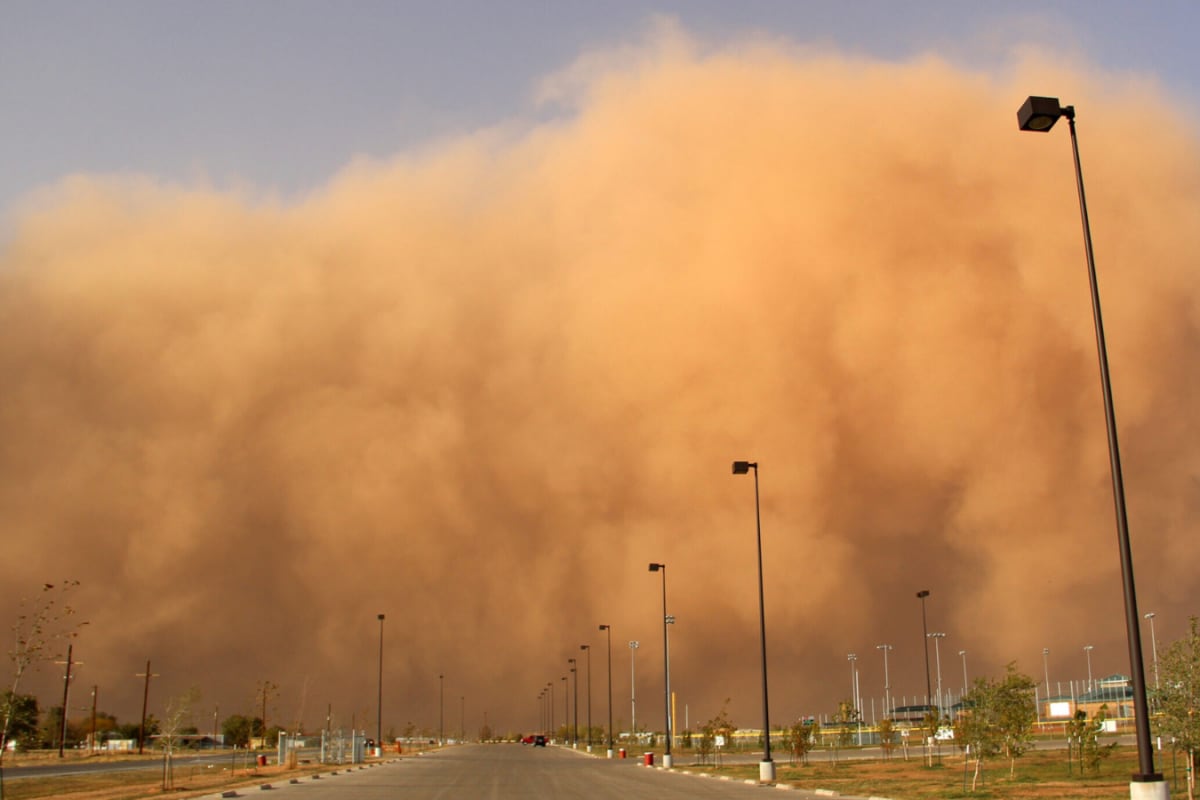
The weather phenomenon has already reached Puerto Rico and Florida, with a more intense wave on its way. Here's what we know about the dust and what impacts it could have on the environment and people.
For the past few days, headlines have been ablaze with mentions of a Saharan dust cloud making its way across the Atlantic Ocean. Two plumes have already reached the Caribbean, with the more intense wave expected to reach the United States this week. The phenomenon has already led to hazy conditions in Puerto Rico and reached Florida over the weekend. For those in Florida, the cloud has lingered into Monday and is expected to move northward later this week.
The plumes have already had an impact on the environment and people. In Florida, officials have warned residents to expect "dirty rain" which can lead to unsettling visuals, awful taste, and potentially harmful health effects. Those with respiratory issues should take particular caution to avoid overexerting themselves outdoors. The cloud has also been responsible for vivid sunrises and sunsets, with the hues shifting from blue to orange and red.
The dust cloud comes as a result of a period of drought in Africa, which led to a substantial amount of dust being churned up in the Sahara. Large portions of the African continent are currently experiencing drought conditions, exacerbated by climate change. As the dust clouds make their way across the Atlantic, they follow prevailing wind patterns. These wind patterns have been responsible for pushing the plumes across the Caribbean and toward the United States.
While the cloud is likely to bring stunning sunlit vistas, hazy days, and poor air quality, scientists have also highlighted the opportunity the phenomenon presents. Researchers have begun to analyze the plumes to understand the potential climatic and nutritional benefits they may have. The dust clouds could deposit vital minerals into soil that Western Africa needs to grow, as well as provide some insulating effect against global heating.
This is not the first time a dust cloud has made its way across the Atlantic. Hazy memories of "Blood Rain" from the 90s and early 2000s, allude to a similar phenomenon. Scientists are working to better understand the scope and reach of these dust clouds, as well as their global impacts.
"We're at the point where we have the tools to study these events much better than we could 20 or 30 years ago," NASA dust expert, Aaron Packman, told CNN. "We can use these events not only to better predict climate and weather but also to understand some of these other impacts that are important to society."
Stay tuned for more updates as the dust cloud makes its way across the United States.
Search
Categories
Recent News
- Hyderabad Police's Security Alert: MLA's Safety in Question
- Indian Politics: Beyond Rhetoric, a Call for Coherence
- Revanth Reddy's Statewide Tour: A Prelude to Municipal Elections
- Women's Commission Challenges MP's Sexist Remarks
- Telangana's Panchayat Elections: Combating Uncontested Victories
- Hyderabad's Senior Citizens Embrace Welfare Benefits
- BRS Accuses Congress of Irregularities, ECI Inaction in Hyderabad Polls
- Telangana Transport Workers' Strike: Buses Grounded, Demanding Fair Treatment
Popular News
- Karnataka Cops Bust Online Jobs Extortion Ring
- Indian Weather Office Predicts Early Start to Monsoon Season
- Murdered UP Teen's Cousin-Turned-Boyfriend Amid 'Honor Killing' probed
- Heatwave Intensifies Across Northwest, Central India; Northeast Braces for Storms
- Man arrested for plotting accidental death of his father