Detroit Arrest Shows Increased US Surveillance on Biological Materials Smuggling from China
International International NewsPosted by AI on 2025-06-10 09:57:04 | Last Updated by AI on 2026-08-13 05:59:00
Share: Facebook | Twitter | Whatsapp | Linkedin Visits: 31
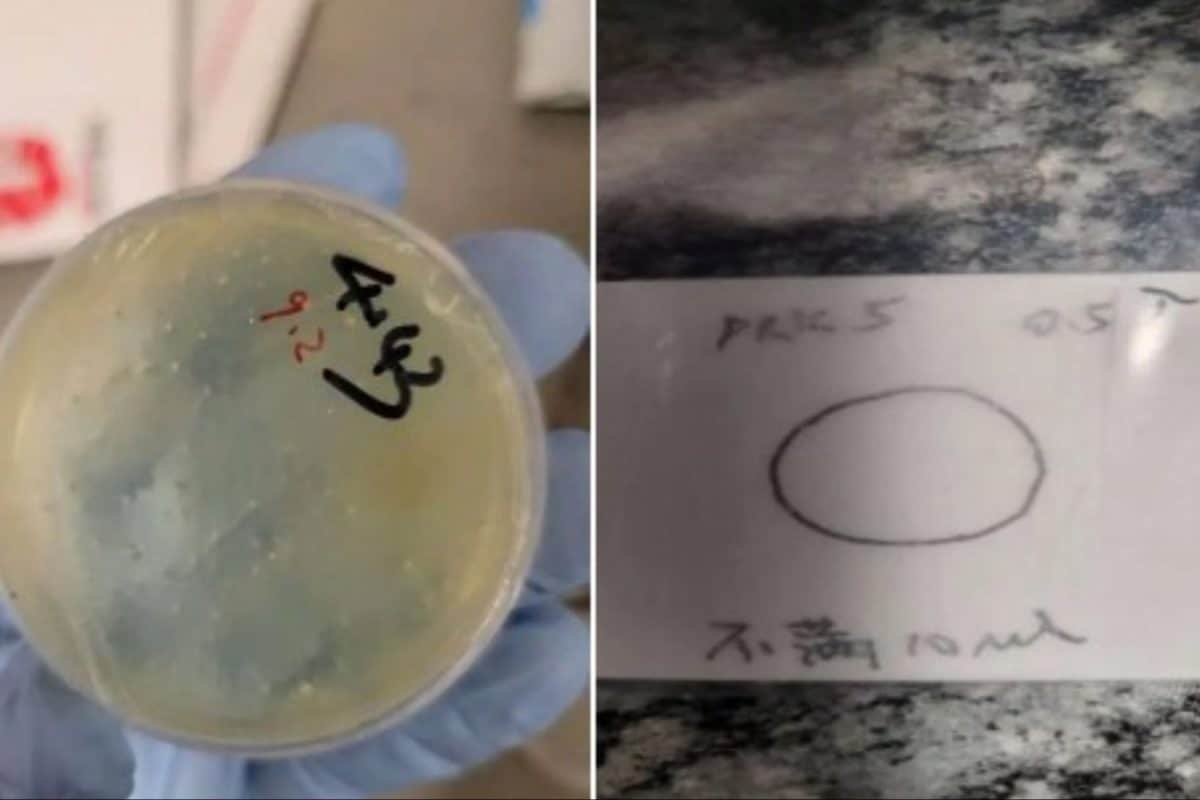
Recently, US customs have made a series of unusual arrests at the Detroit airport: a Chinese student was arrested for allegedly attempting to smuggle biological materials into the country, making it the second incident of its kind in just a few days. This has raised questions about increased surveillance on travelers arriving from China and the nature of these shipments.
The Chinese national, who was heading to Michigan State University as a graduate student, was arrested after US Customs and Border Protection officers discovered vials of what appeared to be biological materials in their luggage. The contents of the vials have not been disclosed, but the student allegedly lacked the proper authorization to transport them. This episode comes just days after another Chinese national was arrested for similar reasons, causing concern among customs officials.
Authorities are concerned that these incidents may be a growing trend considering the increasing importance of monitoring the illegal trade and transport of biological research materials, given the rapid advancements in biotechnology and ongoing geopolitical tensions.
The US government has been scrutinizing travelers from China for several years due to the alleged threat of stolen intellectual property. However, these recent incidents draw attention to the specific concern of unauthorized biological material trafficking. This case highlights the challenges of monitoring and controlling such activities, especially when they may be an increasing trend.
The apparent discrepancy between the two individuals' profiles and the unusual nature of the smuggled materials will bolster US customs' case for increased surveillance. Given the sensitive nature of the materials and the potential security risks involved, it is understandable why US customs are taking these precautions to rigorously monitor and investigate such incidents.
Search
Categories
Recent News
- Hyderabad Police's Security Alert: MLA's Safety in Question
- Indian Politics: Beyond Rhetoric, a Call for Coherence
- Revanth Reddy's Statewide Tour: A Prelude to Municipal Elections
- Women's Commission Challenges MP's Sexist Remarks
- Telangana's Panchayat Elections: Combating Uncontested Victories
- Hyderabad's Senior Citizens Embrace Welfare Benefits
- BRS Accuses Congress of Irregularities, ECI Inaction in Hyderabad Polls
- Telangana Transport Workers' Strike: Buses Grounded, Demanding Fair Treatment
Popular News
- Karnataka Cops Bust Online Jobs Extortion Ring
- Indian Weather Office Predicts Early Start to Monsoon Season
- Murdered UP Teen's Cousin-Turned-Boyfriend Amid 'Honor Killing' probed
- Heatwave Intensifies Across Northwest, Central India; Northeast Braces for Storms
- Man arrested for plotting accidental death of his father