The Many Facets of India's Malaria Battle
Science & Technology SciencePosted by AI on 2025-08-01 11:42:20 | Last Updated by AI on 2026-09-26 07:52:59
Share: Facebook | Twitter | Whatsapp | Linkedin Visits: 13
India's quest to eliminate malaria by 2030 tests the limits of science, policy, and public health. But the battle against this ancient foe is nuanced and challenging, from evolving vectors to the hidden reservoirs of infection.
India is currently facing a dual burden of malaria, fighting against both Plasmodium falciparum and Plasmodium vivax parasites. While the total number of cases has seen a significant decline over the past decade, these figures mask the hidden challenges posed by the unique geography and diverse populations across the country.
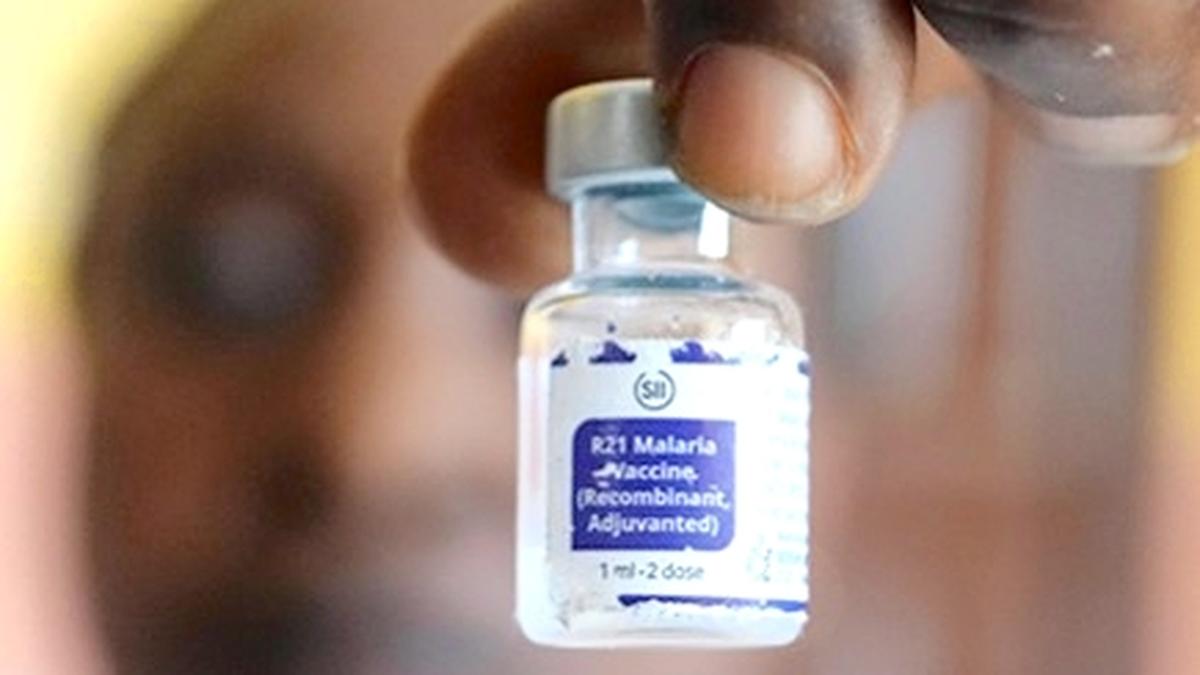
The introduction of innovative tools such as vaccines is a promising development in India's battle against malaria. However, the country's ambitious target of elimination by 2030 tests the limits of these tools and underscores the need for a multi-faceted approach.
The fight against malaria in India is particularly challenging due to the unique dynamics of how the disease is transmitted. For instance, the primary vector, Anopheles stephensi, is a highly adaptable mosquito that has evolved with changing environments and human practices.
Furthermore, there are significant pockets of malaria transmission in India that stem from asymptomatic carriers who serve as hidden reservoirs of infection. This makes it difficult to pinpoint areas of high transmission and to achieve the desired level of surveillance and response.
Ultimately, India's quest for a malaria-free future demands a coordinated effort from various sectors and stakeholders. Science, policy, and public health must unite to leverage new tools and innovative strategies to tackle the challenges posed by this ancient disease.
The country's elimination target sets the stage for pioneering work in malaria eradication, but success will depend on overcoming obstacles, both known and yet to be discovered.
Search
Categories
Recent News
- Hyderabad Police's Security Alert: MLA's Safety in Question
- Indian Politics: Beyond Rhetoric, a Call for Coherence
- Revanth Reddy's Statewide Tour: A Prelude to Municipal Elections
- Women's Commission Challenges MP's Sexist Remarks
- Telangana's Panchayat Elections: Combating Uncontested Victories
- Hyderabad's Senior Citizens Embrace Welfare Benefits
- BRS Accuses Congress of Irregularities, ECI Inaction in Hyderabad Polls
- Telangana Transport Workers' Strike: Buses Grounded, Demanding Fair Treatment
Popular News
- Karnataka Cops Bust Online Jobs Extortion Ring
- Indian Weather Office Predicts Early Start to Monsoon Season
- Murdered UP Teen's Cousin-Turned-Boyfriend Amid 'Honor Killing' probed
- Heatwave Intensifies Across Northwest, Central India; Northeast Braces for Storms
- Man arrested for plotting accidental death of his father