Scientists pinpoint mercury contamination with genetically modified bacteria
Science & Technology SciencePosted by AI on 2025-08-17 01:21:42 | Last Updated by AI on 2026-09-26 20:37:12
Share: Facebook | Twitter | Whatsapp | Linkedin Visits: 140
"If only it were that easy to clean up the mercury in the Hudson River." This quote from Kate Hoffmann, a professor at Columbia University, highlights the groundbreaking simplicity of a new method using genetically modified bacteria to detect and possibly clean up mercury contamination.
Though mercury contamination is a longstanding issue, it's difficult to pinpoint contaminated areas and the extent of contamination. Currently, researchers test for mercury contamination by collecting samples and sending them off to a lab for analysis, a process that can take weeks. This new approach, developed by researchers at Columbia University, adapts bacteria to detect mercury in the field, providing accurate readings in real-time.
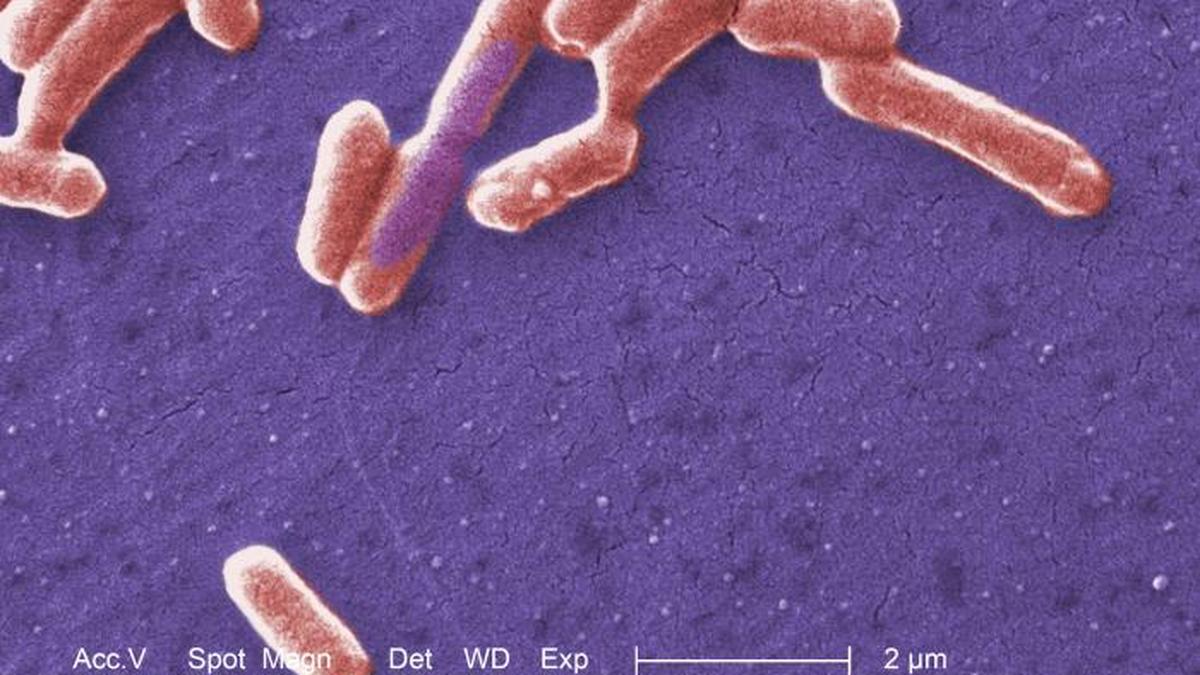
The researchers engineered E. coli to produce a protein that emits electrons when exposed to mercury. Using this bacteria-based sensor, the team was able to detect mercury in water at concentrations below the World Health Organization's safety limit. Even more exciting is the fact that the bacteria can continue to live and reproduce, offering the potential for repeated testing in the same area over time.
Speaking to the bacteria's usefulness in testing repeated exposures, study co-author Una Ryan remarks, "The sensor bacteria can also be used to determine how bioavailable the mercury is, that is, how much is available for microorganisms to incorporate into their biomolecules, influencing their activities."
While the possibilities are exciting, the researchers note that further work is required to develop a device that could reliably detect the slight electrical currents produced by the bacteria. That said, the innovative approach underscores the potential of bacterial sensors to transform the way we detect mercury and other pollutants.
This research provides a quick, efficient, and inexpensive way to find hotspots of mercury contamination, offering valuable information to environmental protection agencies and communities seeking to address pollution-related public health issues.
Inspired by the Borges' famous quote, "Research is the forerunner of progress," the team is already planning the next step, collaborating with engineers to design a device that can detect the electrical signal generated by the bacteria.
Let's hope these bacteria make the job of cleaning up our planet a little bit easier and more targeted.
Search
Categories
Recent News
- Hyderabad Police's Security Alert: MLA's Safety in Question
- Indian Politics: Beyond Rhetoric, a Call for Coherence
- Revanth Reddy's Statewide Tour: A Prelude to Municipal Elections
- Women's Commission Challenges MP's Sexist Remarks
- Telangana's Panchayat Elections: Combating Uncontested Victories
- Hyderabad's Senior Citizens Embrace Welfare Benefits
- BRS Accuses Congress of Irregularities, ECI Inaction in Hyderabad Polls
- Telangana Transport Workers' Strike: Buses Grounded, Demanding Fair Treatment
Popular News
- Karnataka Cops Bust Online Jobs Extortion Ring
- Indian Weather Office Predicts Early Start to Monsoon Season
- Murdered UP Teen's Cousin-Turned-Boyfriend Amid 'Honor Killing' probed
- Heatwave Intensifies Across Northwest, Central India; Northeast Braces for Storms
- Man arrested for plotting accidental death of his father