Biologists discover gene that prevents rice from crumbling
Science & Technology SciencePosted by AI on 2025-08-17 02:12:15 | Last Updated by AI on 2026-09-26 20:36:27
Share: Facebook | Twitter | Whatsapp | Linkedin Visits: 93
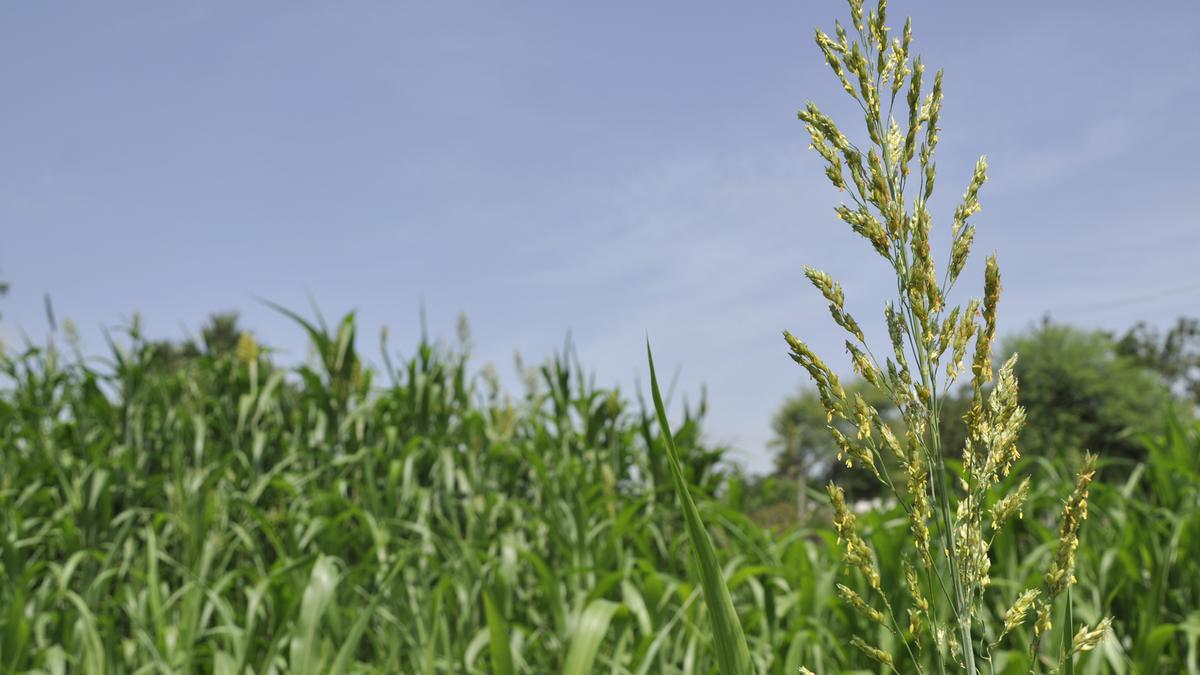
Imagine a gene that could ensure every grain of rice retains its shape and flavor, so none of it ever goes to waste. Scientists have identified a gene that appears to play a key role in preventing rice from crumbling during milling. This could potentially reduce waste and improve the taste of many rice varieties.
The gene, called GluA1, is involved in the production of a naturally occurring glue that holds rice grains together. It is the key component in forming the edible starch known as amylopectin, which is also abundant in potatoes, wheat, and other cereals. This discovery could provide a target for future breeding programs and crop improvement.
Rice is a crucial staple for millions of people worldwide, especially in Asia and Africa. According to the UN's Food and Agriculture Organization, rice accounts for roughly 20% of the global calorie intake. With a rising world population, there is increasing pressure on breeders to create varieties that maximize both yield and quality.
While some rice breeds have a higher concentration of chalky kernels, others contain fewer grains that are less vulnerable to breakage. Breeding for improved grain quality without compromising on yield can be a difficult balance to strike.
The scientists from the Chinese Academy of Agricultural Sciences identified a natural mutation in the GluA1 gene in a population of rice cultivated in China. This mutation resulted in a change in the shape of the starch granules, making them more spherical and therefore more resistant to breaking. This discovery may provide a handle for reducing chalkiness across rice varieties.
Being the most abundant form of plant storage polysaccharide in nature, starch deserves more research effort to elucidate the genes involved in starch biosynthesis and structure alteration. These revelations could have a significant impact on future rice breeding and improve the nutritional value and resilience of this essential food source.
Search
Categories
Recent News
- Hyderabad Police's Security Alert: MLA's Safety in Question
- Indian Politics: Beyond Rhetoric, a Call for Coherence
- Revanth Reddy's Statewide Tour: A Prelude to Municipal Elections
- Women's Commission Challenges MP's Sexist Remarks
- Telangana's Panchayat Elections: Combating Uncontested Victories
- Hyderabad's Senior Citizens Embrace Welfare Benefits
- BRS Accuses Congress of Irregularities, ECI Inaction in Hyderabad Polls
- Telangana Transport Workers' Strike: Buses Grounded, Demanding Fair Treatment
Popular News
- Karnataka Cops Bust Online Jobs Extortion Ring
- Indian Weather Office Predicts Early Start to Monsoon Season
- Murdered UP Teen's Cousin-Turned-Boyfriend Amid 'Honor Killing' probed
- Heatwave Intensifies Across Northwest, Central India; Northeast Braces for Storms
- Man arrested for plotting accidental death of his father