Himachal Pradesh Greenlights Pilot Project for Cannabis Cultivation
Current Affairs NationalPosted by newadmin on 2025-01-30 08:59:09 |
Share: Facebook | Twitter | Whatsapp | Linkedin Visits: 59
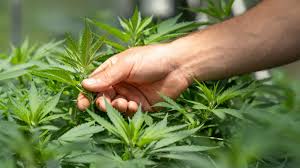
The Himachal Pradesh government has recently approved a pilot project for cannabis cultivation, marking a significant step in exploring its agricultural, medicinal, and industrial potential. This decision, made on January 24, 2025, aligns the state with others like Uttarakhand and Uttar Pradesh, which have already permitted controlled cannabis cultivation.
Cannabis has a long-standing history in India, where it was traditionally grown for fibre, seeds, and medicinal purposes. However, the enactment of the Narcotic Drugs and Psychotropic Substances Act in 1985 imposed a ban on its cultivation. This prohibition was largely influenced by international pressures and widespread misconceptions about the plant. Despite the ban, illegal cultivation has persisted in various districts of Himachal Pradesh. In response to this ongoing issue, the state government has now designated its agriculture department as the nodal agency to oversee the pilot project, which will assess the feasibility and potential benefits of legal cannabis farming.
The global cannabis market has witnessed significant expansion, with countries like Canada and the United States embracing cannabis farming for its economic advantages. The National Botanical Research Institute has estimated that cannabis could emerge as a “trillion-dollar crop,” given that over 25,000 products can be derived from it. Cannabis is highly valued for its diverse applications, containing over 100 cannabinoids, including THC and CBD. While THC is known for its psychoactive effects, CBD offers medicinal properties without any intoxicating impact. Beyond its medicinal uses, cannabis serves as a crucial raw material for industries producing textiles, bioplastics, and other sustainable products.
Local advocates have long pushed for the revival of cannabis farming in Himachal Pradesh, emphasizing its economic potential for rural communities. The government's recent decision reflects a shift in perspective, influenced by both industrial demands and grassroots advocacy. However, the approval of the pilot project presents both opportunities and challenges. The state must carefully balance economic benefits with cultural and historical concerns. Additionally, preserving indigenous cannabis seed varieties is crucial to maintaining local heritage and ensuring long-term economic sustainability.
Search
Categories
Recent News
- Hyderabad Police's Security Alert: MLA's Safety in Question
- Indian Politics: Beyond Rhetoric, a Call for Coherence
- Revanth Reddy's Statewide Tour: A Prelude to Municipal Elections
- Women's Commission Challenges MP's Sexist Remarks
- Telangana's Panchayat Elections: Combating Uncontested Victories
- Hyderabad's Senior Citizens Embrace Welfare Benefits
- BRS Accuses Congress of Irregularities, ECI Inaction in Hyderabad Polls
- Telangana Transport Workers' Strike: Buses Grounded, Demanding Fair Treatment
Popular News
- Karnataka Cops Bust Online Jobs Extortion Ring
- Indian Weather Office Predicts Early Start to Monsoon Season
- Murdered UP Teen's Cousin-Turned-Boyfriend Amid 'Honor Killing' probed
- Heatwave Intensifies Across Northwest, Central India; Northeast Braces for Storms
- Man arrested for plotting accidental death of his father