Addressing River Erosion and Flood Risks in Arunachal Pradesh
Disaster Management Disaster Management in IndiaPosted by NewAdmin on 2025-01-31 08:43:19 |
Share: Facebook | Twitter | Whatsapp | Linkedin Visits: 115
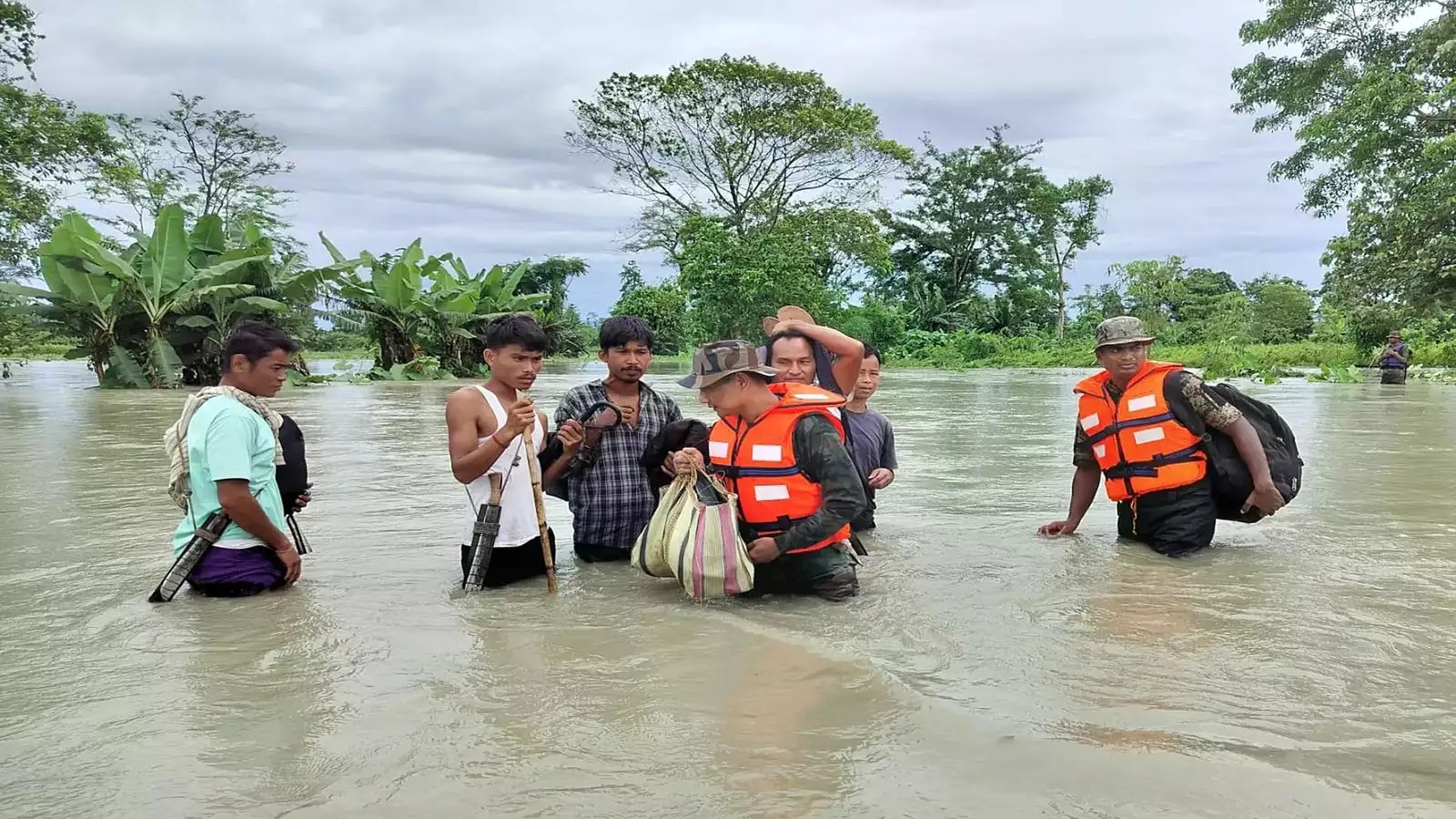
Arunachal Pradesh, a state in Northeast India, is increasingly vulnerable to floods, particularly during the monsoon season. The recurring floods, coupled with significant river erosion, have become a major challenge for local communities living along riverbanks. These disasters often result in widespread displacement of families, destruction of homes, and extensive damage to essential infrastructure, significantly disrupting the daily lives of residents.
One of the primary contributors to the flood risks is the erosion of riverbanks, which has intensified over the years. Villages located near rivers are at high risk, as the changing river courses gradually erode their land. The floods further complicate the situation, submerging vast agricultural areas, causing crop loss, and exacerbating the socio-economic challenges of the region.
To combat these issues, the Arunachal Pradesh government has implemented several flood mitigation strategies, such as building river embankments and protective structures to safeguard vulnerable communities. However, despite these efforts, the state struggles with managing the risks of floods effectively. The primary obstacles include the lack of advanced flood warning systems, inadequate river monitoring infrastructure, and challenges in maintaining timely interventions due to the difficult terrain and remote locations.
Moreover, the state faces a shortage of skilled local personnel trained in flood and disaster management, further delaying response efforts. These factors underscore the need for more integrated flood management systems, advanced technology for monitoring river conditions, and stronger disaster preparedness strategies. To safeguard the lives and livelihoods of the people of Arunachal Pradesh, it is crucial to improve flood mitigation infrastructure and develop local expertise in disaster management.
Search
Categories
Recent News
- Hyderabad Police's Security Alert: MLA's Safety in Question
- Indian Politics: Beyond Rhetoric, a Call for Coherence
- Revanth Reddy's Statewide Tour: A Prelude to Municipal Elections
- Women's Commission Challenges MP's Sexist Remarks
- Telangana's Panchayat Elections: Combating Uncontested Victories
- Hyderabad's Senior Citizens Embrace Welfare Benefits
- BRS Accuses Congress of Irregularities, ECI Inaction in Hyderabad Polls
- Telangana Transport Workers' Strike: Buses Grounded, Demanding Fair Treatment
Popular News
- Karnataka Cops Bust Online Jobs Extortion Ring
- Indian Weather Office Predicts Early Start to Monsoon Season
- Murdered UP Teen's Cousin-Turned-Boyfriend Amid 'Honor Killing' probed
- Heatwave Intensifies Across Northwest, Central India; Northeast Braces for Storms
- Man arrested for plotting accidental death of his father