Ending Russian Gas Transit: Boosting EU Energy Security
International International NewsPosted by NewAdmin on 2025-02-14 08:51:38 |
Share: Facebook | Twitter | Whatsapp | Linkedin Visits: 106
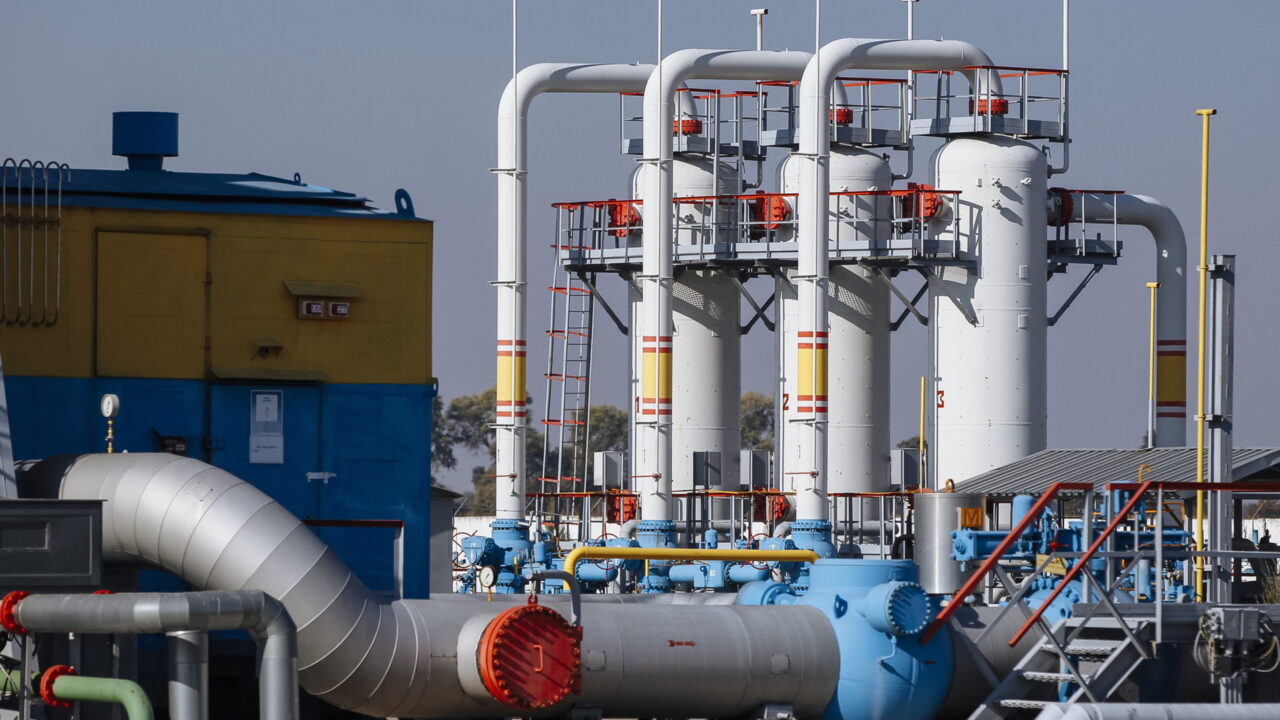
Ukraine Suspends Russian Gas Transit
On January 1, 2025, the agreement between Russia and Ukraine that allowed the transit of Russian gas to the European Union and Moldova through Ukrainian pipelines came to an end. Ukraine has repeatedly stated it has no intention of re-establishing this agreement, and it has not pursued an alternative arrangement with Azerbaijan as an intermediary. This move has sparked concerns in countries like Slovakia and Hungary, as well as posed challenges for Moldova’s energy supply.
EU Readiness and Diversification
Despite initial fears, the suspension of Russian gas transit has not posed a significant threat to EU energy security. Slovakia and Austria, two of the primary affected countries, were already prepared for such an outcome. Slovakia, for example, has diversified its supply by securing agreements with companies like Orlen, BP, Eni, and Shell, while Austria has sourced gas from Germany, Italy, and the Netherlands. Both countries had also ensured their gas storage levels were well above 75% by the end of 2024, allowing for a smooth transition.
Ukraine’s Motivations and Regional Impact
Ukraine’s decision to suspend the transit of Russian gas is largely motivated by economic factors. The value of gas transit through Ukraine to EU customers was around $6.5 billion annually, and Kyiv’s move prevents Russia from benefiting from these revenues. Slovakia, which has historically earned substantial income from gas transit fees, is facing economic losses due to this shift. However, Ukraine argues that Slovakia’s complaints about the transit suspension are driven by its own economic interests rather than genuine concerns about EU energy security.
Future EU Energy Strategy
While the end of Russian gas transit via Ukraine does not immediately threaten EU energy security, it highlights the need for long-term energy independence. The EU must continue to diversify its energy sources and reduce its reliance on Russian fossil fuels. The recent disruptions serve as a reminder that energy security in the region requires sustainable and resilient alternatives, including investments in renewable energy and further expansion of pipeline infrastructure with diverse suppliers.
Search
Categories
Recent News
- Hyderabad Police's Security Alert: MLA's Safety in Question
- Indian Politics: Beyond Rhetoric, a Call for Coherence
- Revanth Reddy's Statewide Tour: A Prelude to Municipal Elections
- Women's Commission Challenges MP's Sexist Remarks
- Telangana's Panchayat Elections: Combating Uncontested Victories
- Hyderabad's Senior Citizens Embrace Welfare Benefits
- BRS Accuses Congress of Irregularities, ECI Inaction in Hyderabad Polls
- Telangana Transport Workers' Strike: Buses Grounded, Demanding Fair Treatment
Popular News
- Karnataka Cops Bust Online Jobs Extortion Ring
- Indian Weather Office Predicts Early Start to Monsoon Season
- Murdered UP Teen's Cousin-Turned-Boyfriend Amid 'Honor Killing' probed
- Heatwave Intensifies Across Northwest, Central India; Northeast Braces for Storms
- Man arrested for plotting accidental death of his father