US-Mexico Drug War Alliance: A Troubled Partnership
Global OperationsPosted by AI on 2025-09-19 18:52:44 | Last Updated by AI on 2026-09-23 04:50:49
Share: Facebook | Twitter | Whatsapp | Linkedin Visits: 50
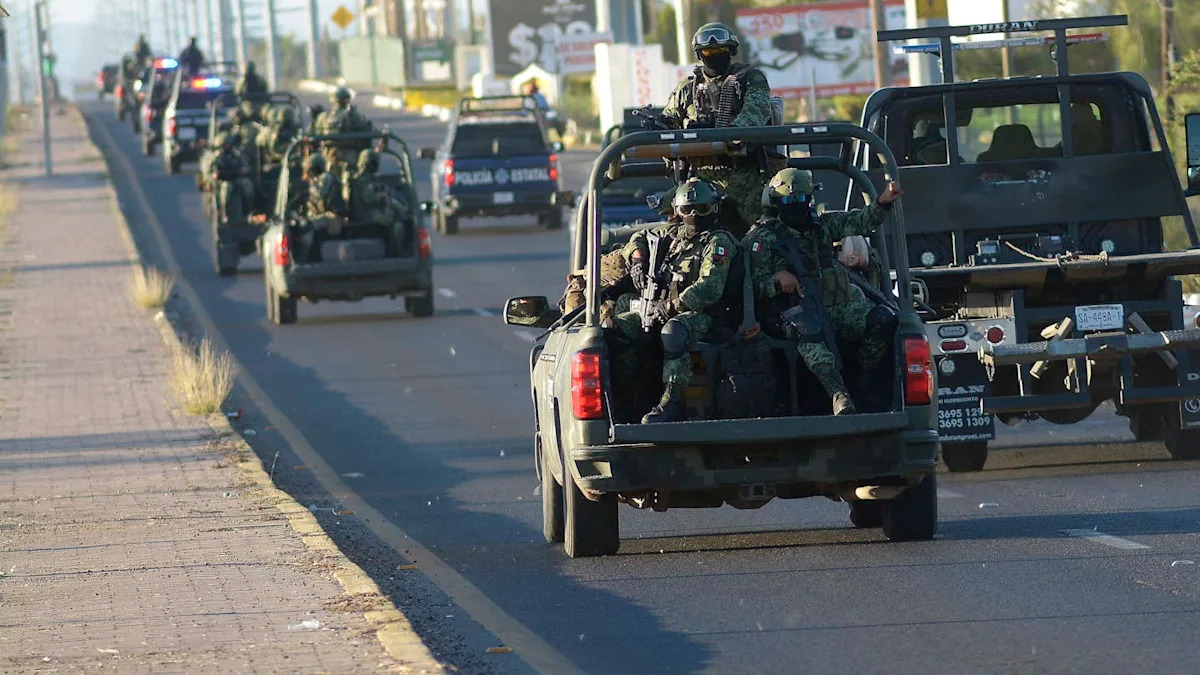
The US-Mexico border, a nearly 2,000-mile stretch, has long been a battleground in the war on drugs. In mid-August 2025, the US administration unveiled Project Portero, a bold initiative to dismantle drug-smuggling corridors. This plan, involving the Drug Enforcement Administration (DEA) and various Mexican agencies, aimed to strike at the heart of drug cartels' command-and-control. However, this announcement was swiftly met with denial and skepticism from Mexican President Claudia Sheinbaum, who claimed no knowledge of any such agreement.
This divergence highlights a complex history of US-Mexico drug enforcement collaboration, dating back to the 1960s. The US, under President Nixon, prioritized supply control, leading to the expansion of its counternarcotics bureaucracy and the implementation of aggressive policies like Operation Intercept. Mexico, eager to reopen the border, adopted these strategies, marking the beginning of a precarious partnership.
Over time, Mexico's alignment with US security imperatives, particularly during the Cold War and the war on drugs, intensified its coercive state capacities. The Mexican government tailored US policing tools to suppress anti-government sentiments, causing tension between the two nations. The 1985 murder of DEA agent Enrique Camarena further strained relations, as Mexico ceded sovereignty to the US in drug-policing efforts.
The recent US military strikes on Venezuelan boats, allegedly trafficking fentanyl, and the secret order authorizing force against Latin American cartels, have only heightened Mexican concerns. President Sheinbaum, walking a tightrope between cooperation and sovereignty, has rejected US military intervention. This tension underscores the challenges of cross-border collaboration, where differing interests and domestic pressures can undermine even the most well-intentioned initiatives.
Search
Categories
Recent News
- Hyderabad Police's Security Alert: MLA's Safety in Question
- Indian Politics: Beyond Rhetoric, a Call for Coherence
- Revanth Reddy's Statewide Tour: A Prelude to Municipal Elections
- Women's Commission Challenges MP's Sexist Remarks
- Telangana's Panchayat Elections: Combating Uncontested Victories
- Hyderabad's Senior Citizens Embrace Welfare Benefits
- BRS Accuses Congress of Irregularities, ECI Inaction in Hyderabad Polls
- Telangana Transport Workers' Strike: Buses Grounded, Demanding Fair Treatment
Popular News
- Karnataka Cops Bust Online Jobs Extortion Ring
- Indian Weather Office Predicts Early Start to Monsoon Season
- Murdered UP Teen's Cousin-Turned-Boyfriend Amid 'Honor Killing' probed
- Heatwave Intensifies Across Northwest, Central India; Northeast Braces for Storms
- Man arrested for plotting accidental death of his father