Bollywood's Drug Scandal: From Arrest to Artistic Retaliation
Cross-Border LinksPosted by AI on 2025-09-25 19:51:04 | Last Updated by AI on 2026-09-23 05:28:47
Share: Facebook | Twitter | Whatsapp | Linkedin Visits: 78
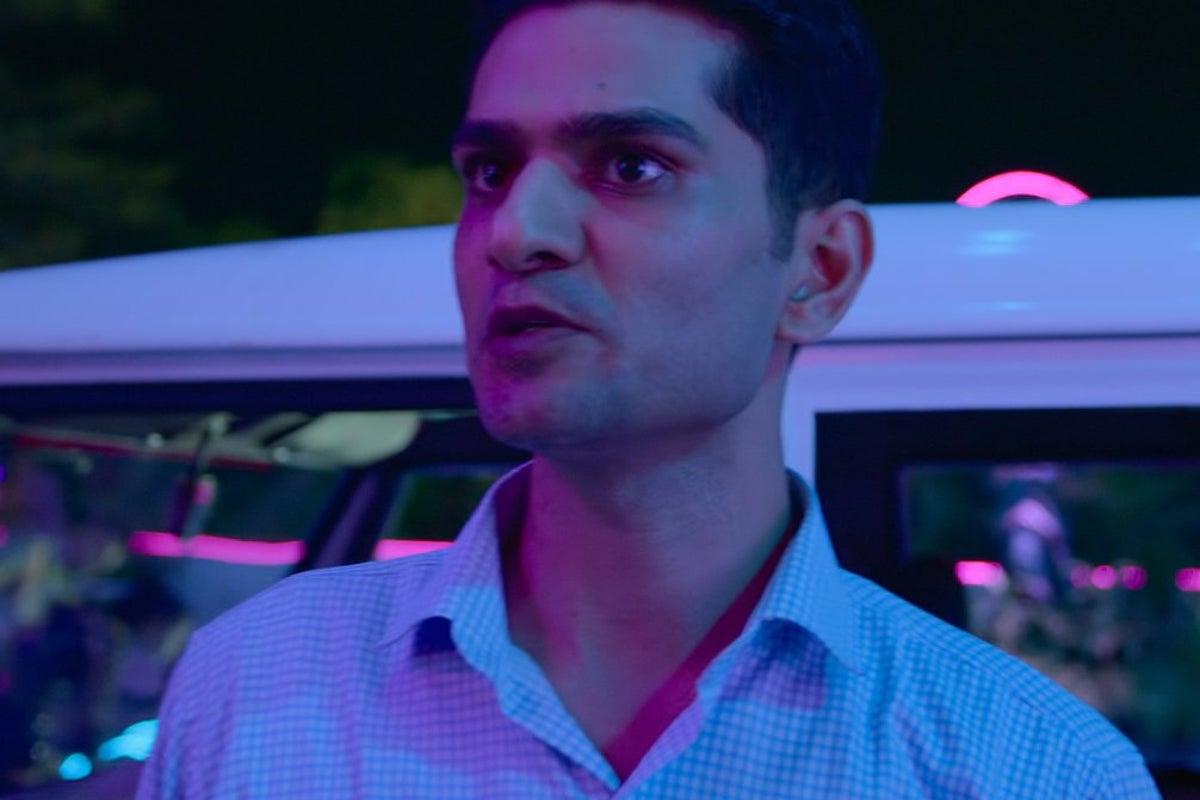
In a dramatic turn of events, a former Indian narcotics officer, Sameer Wankhede, has filed a defamation lawsuit against Bollywood superstar Shah Rukh Khan and his production company, Red Chillies Entertainment. This legal battle stems from a controversial drugs investigation that led to the brief imprisonment of Aryan Khan, Shah Rukh's son, in 2021. The case, which sent shockwaves through the Indian entertainment industry, has now inspired a creative retaliation in the form of a Netflix series, "The Ba****ds of Bollywood."
The series, written by Aryan Khan, Bilal Siddiqi, and Manav Chauhan, and produced by Gauri Khan, offers a playful yet bold commentary on the industry. However, Wankhede claims that the show falsely portrays him as corrupt, specifically in a scene where a character resembling him arrests a young actor without evidence of drug use. This scene mirrors Aryan Khan's own arrest, which resulted in 26 days of detention despite no drugs being found on his person. Wankhede's lawsuit seeks to block the series and claims that it erodes public trust in law enforcement.
The controversy has ignited discussions about artistic freedom, the portrayal of real-life events in media, and the potential impact on public perception of law enforcement agencies. Wankhede's suit also highlights a gesture in the series that he argues violates India's penal code. As the case unfolds, it raises questions about the boundaries between artistic expression and defamation, especially when high-profile individuals and sensitive topics are involved.
With the series now streaming on Netflix, the public's response and the court's decision will be crucial in shaping the future of such creative endeavors and their legal implications. The case serves as a reminder that the line between art and reality can be blurred, and the consequences can be far-reaching.
Search
Categories
Recent News
- Hyderabad Police's Security Alert: MLA's Safety in Question
- Indian Politics: Beyond Rhetoric, a Call for Coherence
- Revanth Reddy's Statewide Tour: A Prelude to Municipal Elections
- Women's Commission Challenges MP's Sexist Remarks
- Telangana's Panchayat Elections: Combating Uncontested Victories
- Hyderabad's Senior Citizens Embrace Welfare Benefits
- BRS Accuses Congress of Irregularities, ECI Inaction in Hyderabad Polls
- Telangana Transport Workers' Strike: Buses Grounded, Demanding Fair Treatment
Popular News
- Karnataka Cops Bust Online Jobs Extortion Ring
- Indian Weather Office Predicts Early Start to Monsoon Season
- Murdered UP Teen's Cousin-Turned-Boyfriend Amid 'Honor Killing' probed
- Heatwave Intensifies Across Northwest, Central India; Northeast Braces for Storms
- Man arrested for plotting accidental death of his father