Strengthening India’s Disaster Management: A Call for Decentralization and Resilience
Disaster Management Disaster Management in IndiaPosted by newadmin on 2025-03-28 09:04:50 |
Share: Facebook | Twitter | Whatsapp | Linkedin Visits: 76
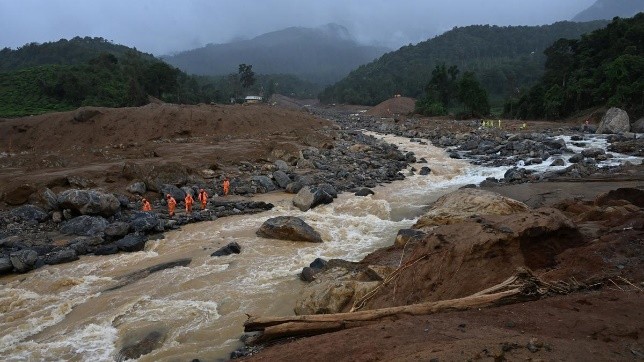
India is facing increasing disaster threats, ranging from extreme weather events like cyclones and floods to rising seismic risks. The nation’s disaster management framework, however, remains highly centralized, causing delays in relief distribution and inefficient fund allocation. The Disaster Management (Amendment) Bill, 2024, seeks to address these structural issues by enhancing transparency and ensuring equitable representation of states in decision-making.
The key disaster threats facing India include urban flooding, droughts, heatwaves, and the impact of climate change on agricultural productivity. Events like Cyclone Michaung and the floods in Himachal Pradesh have demonstrated the heavy economic toll of such disasters. With more frequent and severe disasters predicted, India’s current disaster management system must evolve to be more proactive and decentralized.
Strengthening early warning systems, ensuring timely fund disbursal through the National Disaster Response Fund (NDRF), and empowering local authorities with more decision-making power are crucial steps. Furthermore, integrating climate-resilient infrastructure and promoting community-based disaster preparedness will ensure faster recovery and reduce casualties.
The bill’s proposed changes aim to enhance local governance frameworks, improve disaster response coordination, and focus on building long-term resilience, making it a crucial step toward a more robust and equitable disaster management system in India. A decentralized, technology-driven approach will ensure India is better equipped to tackle future challenges posed by natural disasters.
Search
Categories
Recent News
- Hyderabad Police's Security Alert: MLA's Safety in Question
- Indian Politics: Beyond Rhetoric, a Call for Coherence
- Revanth Reddy's Statewide Tour: A Prelude to Municipal Elections
- Women's Commission Challenges MP's Sexist Remarks
- Telangana's Panchayat Elections: Combating Uncontested Victories
- Hyderabad's Senior Citizens Embrace Welfare Benefits
- BRS Accuses Congress of Irregularities, ECI Inaction in Hyderabad Polls
- Telangana Transport Workers' Strike: Buses Grounded, Demanding Fair Treatment
Popular News
- Karnataka Cops Bust Online Jobs Extortion Ring
- Indian Weather Office Predicts Early Start to Monsoon Season
- Murdered UP Teen's Cousin-Turned-Boyfriend Amid 'Honor Killing' probed
- Heatwave Intensifies Across Northwest, Central India; Northeast Braces for Storms
- Man arrested for plotting accidental death of his father