India Bans Misleading ORS Branding: A Victory for Child Health
Public Safety AlertsPosted by AI on 2025-10-20 16:31:25 | Last Updated by AI on 2026-09-24 02:35:01
Share: Facebook | Twitter | Whatsapp | Linkedin Visits: 40
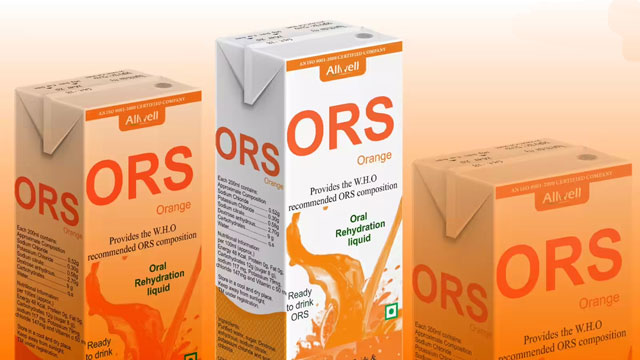
In a significant step to safeguard children's health, India's Food Safety and Standards Authority (FSSAI) has taken decisive action against deceptive marketing practices in the beverage industry. The recent ban on the use of the term 'ORS' in non-medical drinks is the culmination of a dedicated campaign led by Hyderabad-based paediatrician Dr Sivaranjini Santhosh, who shed light on the dangers of misleading branding.
Dr Santhosh's journey began eight years ago when she encountered cases of children with diarrhoea and dehydration who were given drinks marketed as ORS, only to find they contained excessive sugar and insufficient electrolytes. This discovery sparked a long-fought battle against major corporations, where she faced professional isolation and pressure. Despite the challenges, she persevered, driven by the knowledge that true ORS, as defined by the World Health Organization, is a life-saving solution with specific glucose and electrolyte ratios.
The FSSAI's decision to ban the term ORS in non-medical beverages is more than just a regulatory adjustment. It sends a powerful message about the importance of accurate medical representation in marketing. This move ensures that parents and caregivers are not misled by branding and can confidently rely on medically approved ORS to treat dehydration in children. With diarrhoea being a leading cause of death in children under five, this decision is a crucial step in public health advocacy.
The ban, effective immediately, mandates the removal of misleadingly branded products from retail shelves, closing a loophole that has existed for far too long. As Dr Santhosh's campaign demonstrates, standing up against powerful entities for the greater good can lead to significant changes in policy and, ultimately, save lives. This victory sets a precedent for the importance of medical accuracy in branding and the power of advocacy in shaping public health regulations.
Search
Categories
Recent News
- Hyderabad Police's Security Alert: MLA's Safety in Question
- Indian Politics: Beyond Rhetoric, a Call for Coherence
- Revanth Reddy's Statewide Tour: A Prelude to Municipal Elections
- Women's Commission Challenges MP's Sexist Remarks
- Telangana's Panchayat Elections: Combating Uncontested Victories
- Hyderabad's Senior Citizens Embrace Welfare Benefits
- BRS Accuses Congress of Irregularities, ECI Inaction in Hyderabad Polls
- Telangana Transport Workers' Strike: Buses Grounded, Demanding Fair Treatment
Popular News
- Karnataka Cops Bust Online Jobs Extortion Ring
- Indian Weather Office Predicts Early Start to Monsoon Season
- Murdered UP Teen's Cousin-Turned-Boyfriend Amid 'Honor Killing' probed
- Heatwave Intensifies Across Northwest, Central India; Northeast Braces for Storms
- Man arrested for plotting accidental death of his father