Congress flags economic challenges faced by India in its 'Real State of the Economy 2025' report
Social Issues Social Inequalities and exclusionPosted by NewAdmin on 2025-04-09 09:02:00 |
Share: Facebook | Twitter | Whatsapp | Linkedin Visits: 100
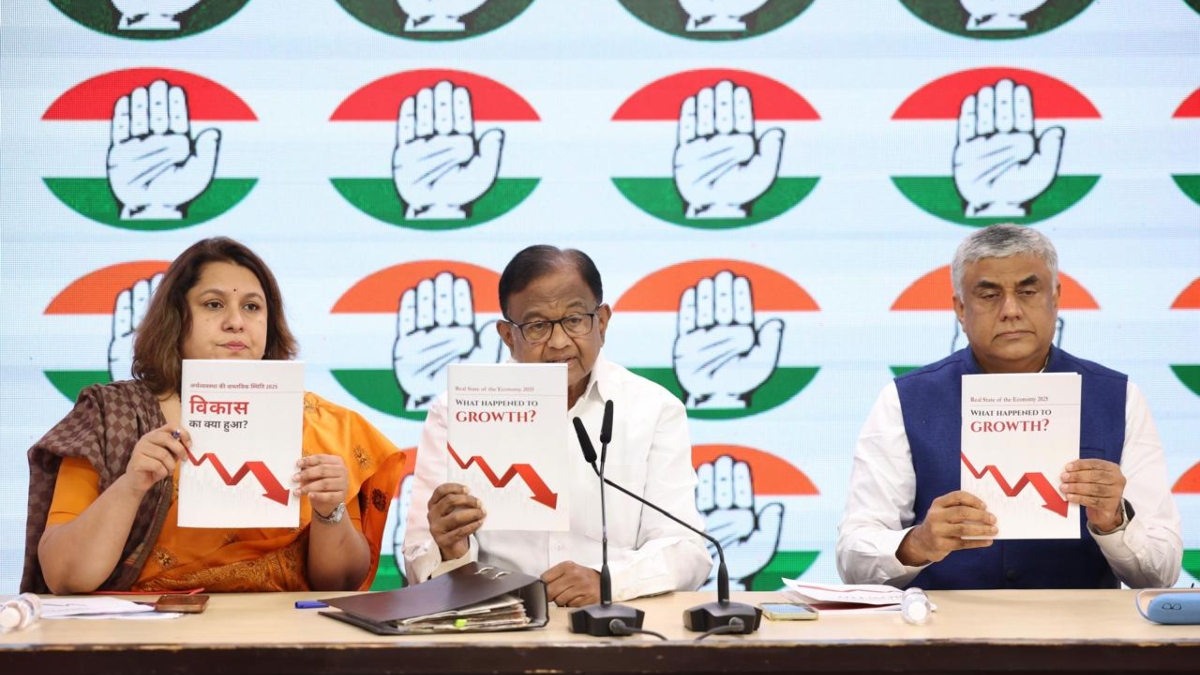
In January 2025, the Indian National Congress released its report titled "Real State of the Economy 2025," offering a sharp critique of the country's current economic conditions. The report raises serious concerns about slowing GDP growth, rising unemployment, and deepening income inequality, presenting a contrast to the central government's optimistic narrative.
According to the report, India’s GDP is expected to grow at 6.4% in the fiscal year 2024-25, which is notably lower than the growth rates in previous years. Former Finance Minister P. Chidambaram stated that this figure is insufficient to meet the demands of India's growing population and youth workforce. He stressed that the economy is slowing down and that a sustained 8% growth rate is necessary to fully utilize the country’s demographic advantage.
One of the most alarming statistics in the report is the rate of youth unemployment. It notes that 45.4% of young Indians were unemployed in 2022-23, with a significant 29.1% unemployment rate among graduates. Chidambaram called this a phase of "job destruction," criticizing the government for overseeing what he termed a "job-loss growth" model. The report underscores that India is creating fewer jobs despite its economic growth, which is especially troubling for a young nation.
The report also highlights the growing gap between the rich and the poor. It states that nearly 50% of the Indian population survives on just ₹100 to ₹150 a day, reflecting severe income inequality. Chidambaram emphasized that inequality is worsening, and many Indians are not benefiting from the country’s economic progress.
Additionally, the Congress report criticizes government policies that have led to a reduction in public spending, particularly in key areas like education and rural development. The party argues that such cuts have negatively impacted household savings, reduced real incomes, and widened the rural-urban divide. Overall, the report calls for urgent policy reforms to address these deep-rooted economic challenges.
Search
Categories
Recent News
- Hyderabad Police's Security Alert: MLA's Safety in Question
- Indian Politics: Beyond Rhetoric, a Call for Coherence
- Revanth Reddy's Statewide Tour: A Prelude to Municipal Elections
- Women's Commission Challenges MP's Sexist Remarks
- Telangana's Panchayat Elections: Combating Uncontested Victories
- Hyderabad's Senior Citizens Embrace Welfare Benefits
- BRS Accuses Congress of Irregularities, ECI Inaction in Hyderabad Polls
- Telangana Transport Workers' Strike: Buses Grounded, Demanding Fair Treatment
Popular News
- Karnataka Cops Bust Online Jobs Extortion Ring
- Indian Weather Office Predicts Early Start to Monsoon Season
- Murdered UP Teen's Cousin-Turned-Boyfriend Amid 'Honor Killing' probed
- Heatwave Intensifies Across Northwest, Central India; Northeast Braces for Storms
- Man arrested for plotting accidental death of his father