90-Day Pause on Trump’s Tariff Policy
Current Affairs International IssuesPosted by newadmin on 2025-04-11 08:44:14 |
Share: Facebook | Twitter | Whatsapp | Linkedin Visits: 61
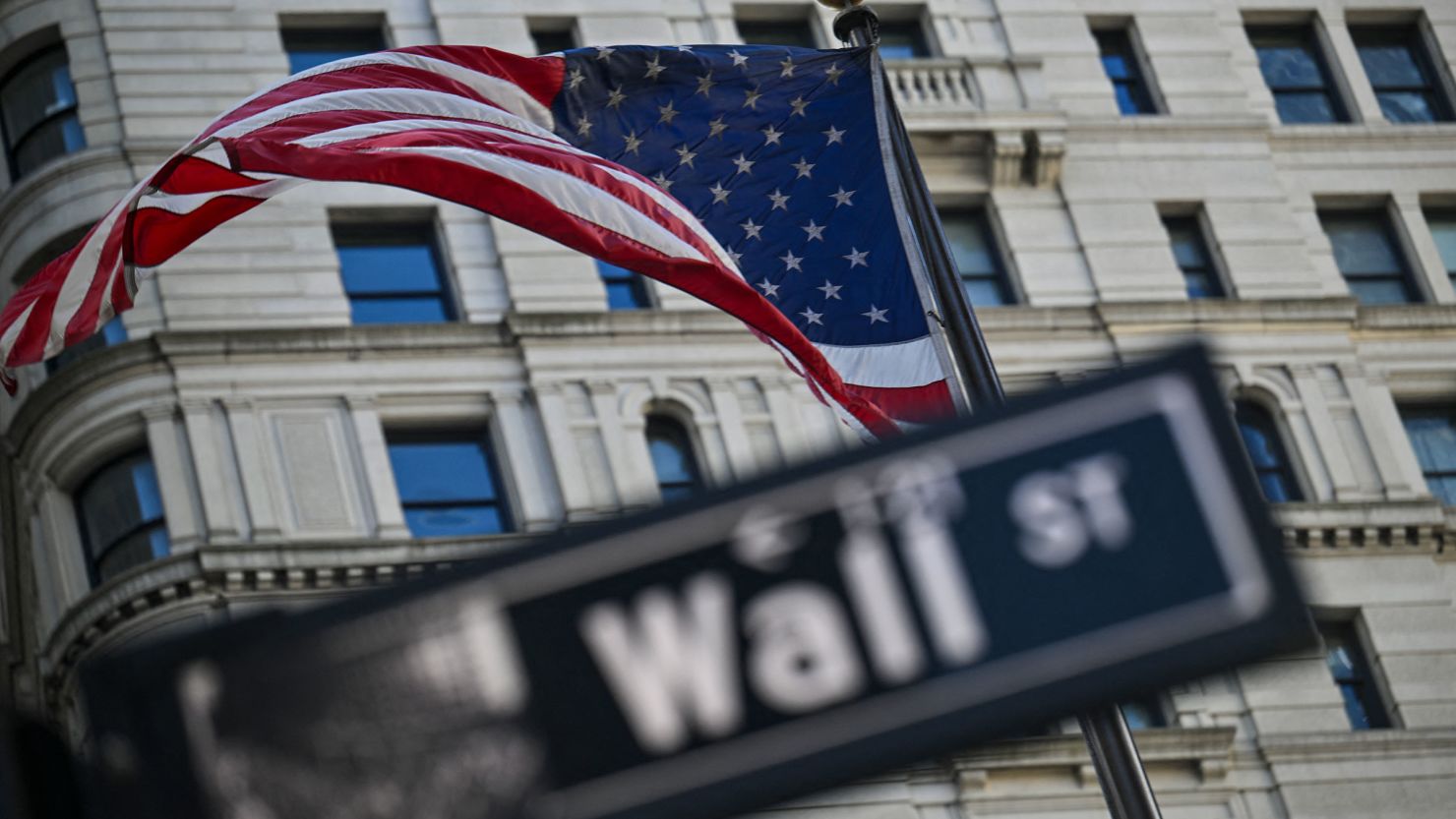
On April 2, 2025, US President Donald Trump introduced a new set of “reciprocal tariffs,” declaring it as “liberation day.” This bold announcement sent shockwaves through global financial markets, triggering immediate volatility and concern. Just a week later, on April 9, a 90-day pause on certain tariffs was announced, offering temporary relief that spurred a short-lived rally in stock prices. However, the broader implications of these tariffs go beyond market fluctuations and touch on deeper economic and geopolitical tensions.
The tariff changes began taking effect on April 5, with a new baseline rate of 10% applied to imports from all countries, including traditional allies like the United Kingdom. Exceptions were made only for select items such as pharmaceuticals and microchips. Tariffs targeting China were particularly aggressive, climbing to a staggering 125%, with an additional 20% levy placed on fentanyl-related imports. While the temporary pause applied to tariffs for 59 territories, it notably did not include any relaxation of the measures against China.
The market reaction to the announcement was swift and negative. Investors fled riskier assets, and both stock and bond markets saw sharp declines. Prominent business leaders, including those at major financial institutions like JPMorgan Chase, voiced concerns that the escalating trade tensions could tip the US economy into a recession. The rationale presented by the administration—that these tariffs were a tool for securing better trade agreements—came under intense scrutiny as the potential economic costs became more apparent.
Behind the scenes, Treasury Secretary Scott Bessent played a pivotal role in influencing a shift in the administration’s approach. After a weekend marked by investor unrest, Bessent met with Trump at his Florida residence and urged a pause in the tariff escalation to prevent broader economic instability. The sudden decision to introduce a pause caught many within the government off guard, revealing internal divisions and a lack of consensus on how to manage trade policy.
This move to delay certain tariffs sparked debate over whether it was a calculated strategic adjustment or a sign of policy misjudgment. While some interpreted the pause as a diplomatic tactic aimed at re-engaging trade partners, others viewed it as an implicit acknowledgment of a flawed strategy. The administration’s pattern of making dramatic policy declarations followed by rapid recalibrations has come to symbolize a trial-and-error approach to governance.
Despite the pause, tariffs on China remained in place at their elevated levels. White House officials defended this stance, citing national security and economic competitiveness as justifications. Nonetheless, critics—including members of Trump’s own party—criticized the lack of coherence in the tariff rollout, warning that it had created uncertainty and eroded confidence among US businesses.
Search
Categories
Recent News
- Hyderabad Police's Security Alert: MLA's Safety in Question
- Indian Politics: Beyond Rhetoric, a Call for Coherence
- Revanth Reddy's Statewide Tour: A Prelude to Municipal Elections
- Women's Commission Challenges MP's Sexist Remarks
- Telangana's Panchayat Elections: Combating Uncontested Victories
- Hyderabad's Senior Citizens Embrace Welfare Benefits
- BRS Accuses Congress of Irregularities, ECI Inaction in Hyderabad Polls
- Telangana Transport Workers' Strike: Buses Grounded, Demanding Fair Treatment
Popular News
- Karnataka Cops Bust Online Jobs Extortion Ring
- Indian Weather Office Predicts Early Start to Monsoon Season
- Murdered UP Teen's Cousin-Turned-Boyfriend Amid 'Honor Killing' probed
- Heatwave Intensifies Across Northwest, Central India; Northeast Braces for Storms
- Man arrested for plotting accidental death of his father