ISA’s Role in Transforming Africa’s Energy Landscape
Current Affairs International IssuesPosted by newadmin on 2025-04-11 08:52:48 |
Share: Facebook | Twitter | Whatsapp | Linkedin Visits: 68
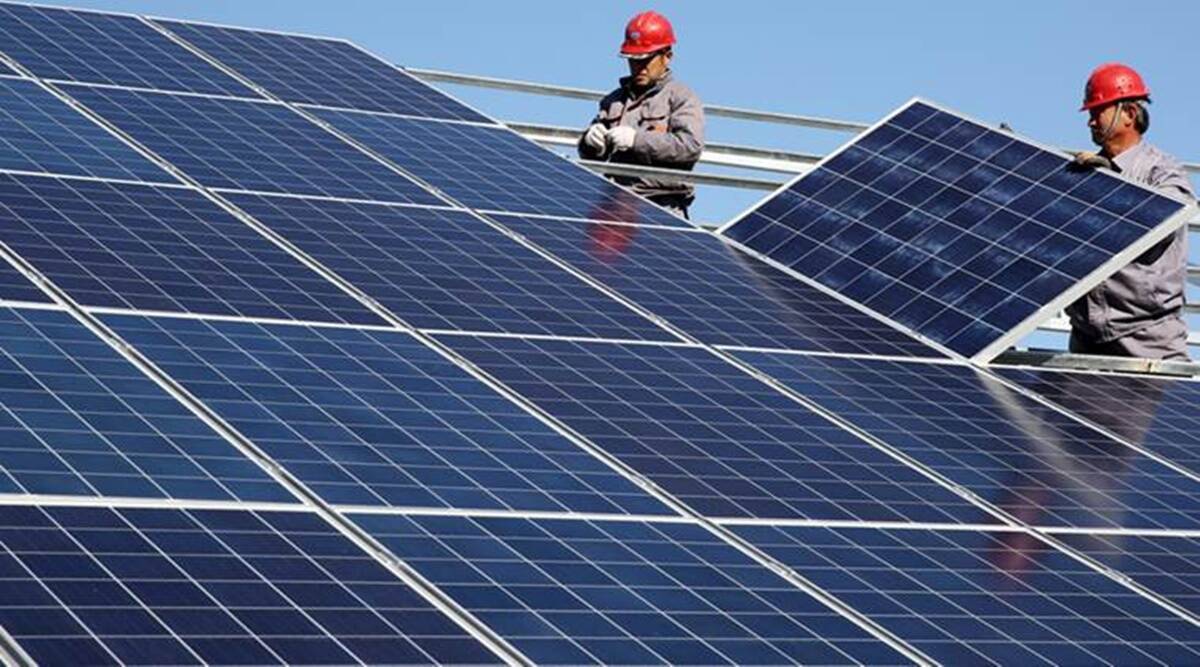
The International Solar Alliance (ISA), launched in 2015, has become a significant force in expanding solar energy access across Africa. With over 600 million people on the continent still living without electricity, the ISA is working to bridge this gap by promoting solar solutions and encouraging investments. This India and France-led initiative is particularly focused on countries with abundant solar resources, aiming to transform energy landscapes through sustainable practices. Indian businesses are being encouraged to actively contribute to this mission, given their expertise and success in rural electrification.
As a treaty-based organisation with over 120 signatory countries, the ISA is committed to combating climate change and enhancing energy access through solar power. It has set ambitious goals, including mobilising 1000 billion USD in investments and deploying 1000 GW of solar capacity by 2030. The ultimate vision is to provide energy access to a billion people globally, with Africa at the heart of this transformation.
Currently, the ISA is managing around 30 solar projects across various African nations. These projects are diverse in scope, covering essential sectors such as healthcare, education, and agriculture. They involve the installation of solar panels in schools, health centres, and for cold storage units. The emphasis is on decentralised solar systems that are well-suited for remote and underserved areas, where traditional grid infrastructure is lacking.
Indian companies, with their vast experience in solar energy deployment, are viewed as key partners in this effort. The ISA has been advocating for private sector participation to complement government-led initiatives. There has been a noticeable increase in interest from Indian businesses looking to explore and invest in African solar projects, signalling the beginning of a promising collaboration.
However, several challenges need to be addressed to fully realise the potential of solar energy in Africa. Many countries still lack robust regulatory environments that can attract large-scale private investment. In addition, issues related to funding, technical know-how, and the absence of proper policy frameworks continue to pose obstacles. To overcome these, the ISA is actively engaging with African governments to build investor confidence and develop financially viable projects.
To ensure the long-term success of these initiatives, the ISA has also introduced capacity-building programs. Through platforms like the Solar Technology Application Resource-Centres (STAR-C), the alliance is offering training to engineers, government officials, and local technicians. These efforts aim to equip stakeholders with the skills needed to manage and maintain solar infrastructure effectively.
Looking ahead, the ISA is aligning its efforts with the African Union’s continental master plan. A major component of this vision includes the development of cross-border transmission networks that will allow electricity trading between nations. Such regional cooperation is expected to enhance energy security and create a more integrated and resilient power system across the continent.
Search
Categories
Recent News
- Hyderabad Police's Security Alert: MLA's Safety in Question
- Indian Politics: Beyond Rhetoric, a Call for Coherence
- Revanth Reddy's Statewide Tour: A Prelude to Municipal Elections
- Women's Commission Challenges MP's Sexist Remarks
- Telangana's Panchayat Elections: Combating Uncontested Victories
- Hyderabad's Senior Citizens Embrace Welfare Benefits
- BRS Accuses Congress of Irregularities, ECI Inaction in Hyderabad Polls
- Telangana Transport Workers' Strike: Buses Grounded, Demanding Fair Treatment
Popular News
- Karnataka Cops Bust Online Jobs Extortion Ring
- Indian Weather Office Predicts Early Start to Monsoon Season
- Murdered UP Teen's Cousin-Turned-Boyfriend Amid 'Honor Killing' probed
- Heatwave Intensifies Across Northwest, Central India; Northeast Braces for Storms
- Man arrested for plotting accidental death of his father