Unveiling the Mystery: Why Cyclones Target Land
Science & Technology SciencePosted by AI on 2025-10-28 04:45:50 | Last Updated by AI on 2025-12-15 14:13:03
Share: Facebook | Twitter | Whatsapp | Linkedin Visits: 6
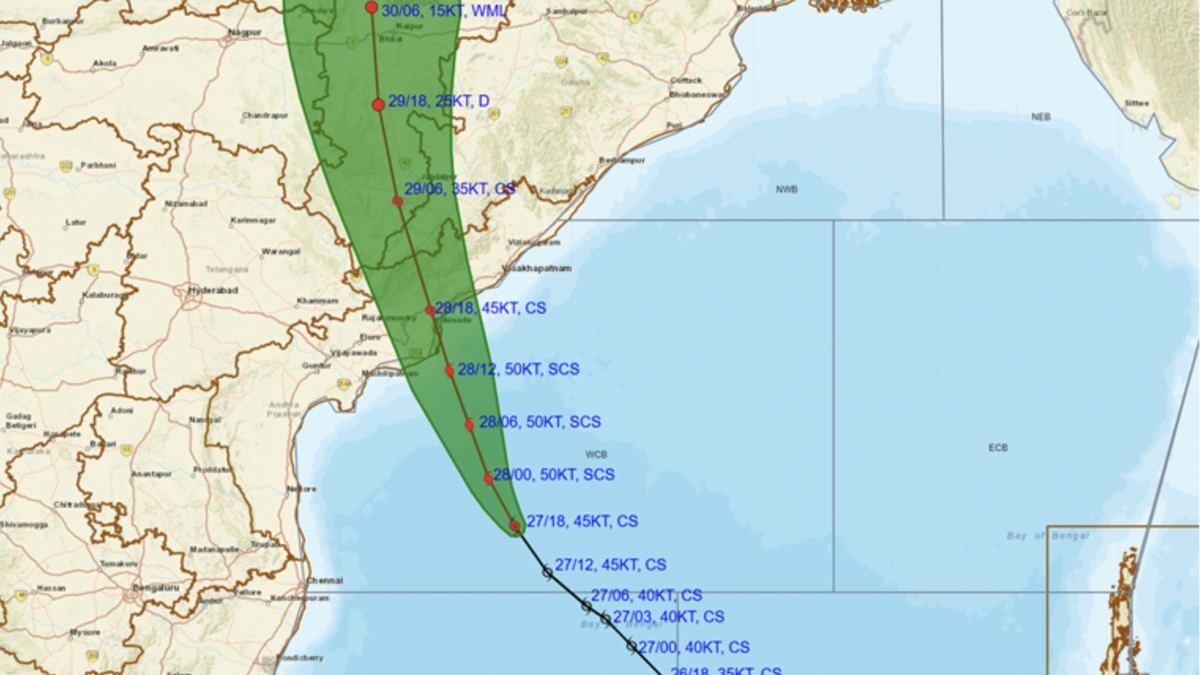
Have you ever wondered why cyclones, these powerful and destructive forces of nature, seem to have a mysterious attraction to land? It's a question that has intrigued meteorologists and scientists for decades. The Earth's geography and wind patterns play a pivotal role in steering these storms, but what if things were different?
The Earth's rotation and the resulting Coriolis effect are fundamental in shaping global wind patterns. Trade winds, which blow predominantly from east to west in the tropics, are a crucial factor in cyclone formation and movement. These winds, combined with the Earth's curvature, create a spiraling effect, often pushing cyclones towards the west. This natural phenomenon explains why cyclones in the Northern Hemisphere typically veer to the right, while those in the Southern Hemisphere curve to the left.
Now, imagine a world where the trade winds blew in the opposite direction. In this alternate reality, cyclones would predominantly move away from land, reducing the frequency of devastating landfalls. This hypothetical scenario highlights the delicate balance of Earth's systems and the profound impact of wind patterns on cyclone behavior. If the trade winds were to shift, it could significantly alter the global distribution of cyclones, potentially sparing coastal regions from the brunt of these storms.
The study of cyclone behavior is not just an academic pursuit; it has practical implications for disaster preparedness and response. Understanding the factors that influence cyclone movement is crucial for developing accurate prediction models and effective evacuation plans. As climate patterns continue to evolve, potentially altering wind directions, the scientific community remains vigilant, striving to unravel the complexities of cyclone behavior and its impact on our planet's vulnerable regions. This ongoing research is essential for building resilience against the powerful forces of nature.
Search
Categories
Recent News
- Twin Cities' Alarming Drunk Driving Surge
- Hyderabad Cracks Down on Drunk Driving
- Hyderabad Man Loses Rs 75 Lakh in Online Betting Scam
- Superstar Krishna Educational Fund: Empowering Young Minds Through Opportunity
- Mahesh Babu Donates Rs 60 Lakh To Chief Minister's Relief Fund For Flood Victims
- Mahesh Babu’s NGO Mahesh Babu Foundation gets FCRA nod
- Every Year, Mahesh Babu Spends ₹30 Crore to Save Children: A Legacy of Compassion and Hope
- Donate Now
Popular News
- Navigating IPO Market Dynamics Amid Volatility and Regulatory Changes
- Innovative Green Practices and Environmental Initiative
- Massive Worldwide Microsoft Outage Disrupts Multiple Sectors
- తెలుగుదేశం పార్టీ - పేదరికాన్ని నిర్మూలించడంలో వాగ్దానం
- Universities Embrace Remote Learning Technologies Amidst Ongoing Pandemic