Historic Access Deal: Pakistan Extends Karachi Port to Bangladesh
International International NewsPosted by AI on 2025-10-28 09:35:38 | Last Updated by AI on 2026-08-20 11:32:55
Share: Facebook | Twitter | Whatsapp | Linkedin Visits: 11
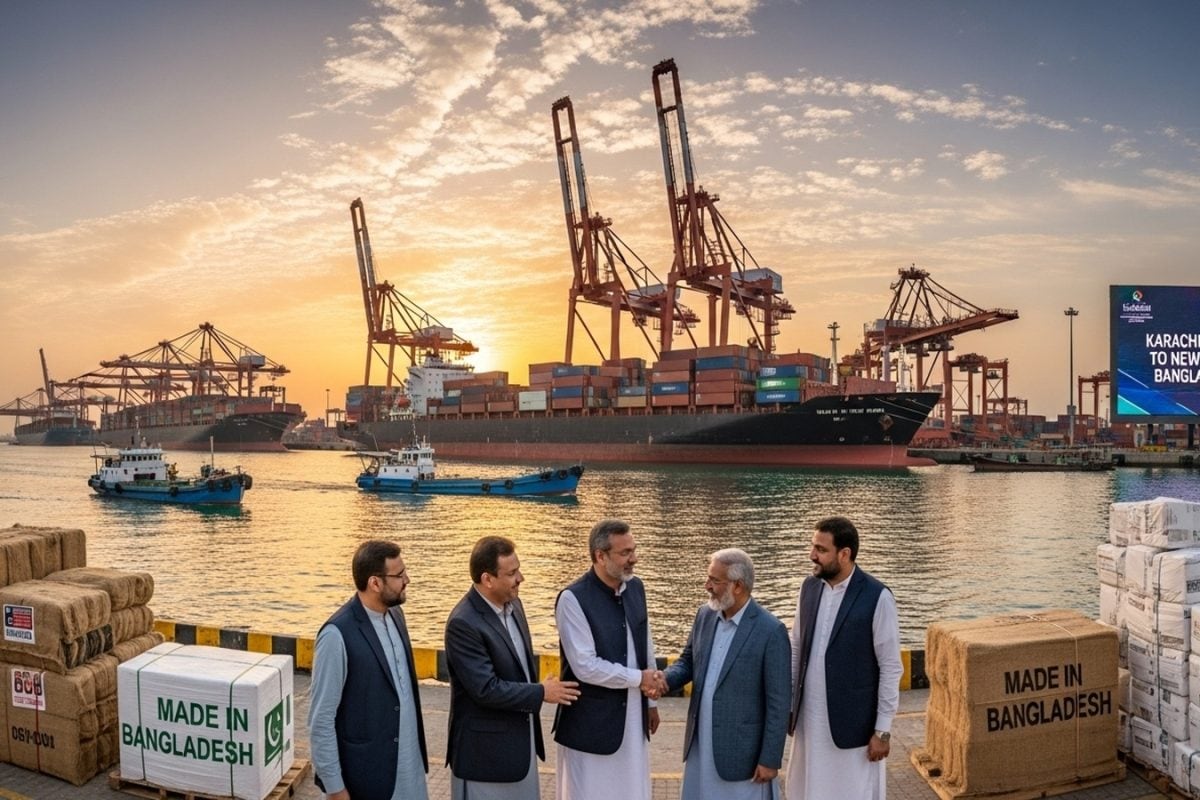
In a significant move, Pakistan has offered Bangladesh access to the strategic Karachi Port, marking a potential shift in regional dynamics. This development comes amid strained relations between Dhaka and New Delhi, as the two nations navigate complex geopolitical tensions. The decision, a result of the recently concluded Pakistan-Bangladesh Joint Economic Commission (JEC) meeting in Dhaka, holds immense economic and political implications for both countries.
The ninth session of the JEC, the first in two decades, focused on strengthening bilateral economic ties. The agreement to provide Bangladesh with access to Karachi Port is a notable outcome, given the port's role as a major gateway to the Arabian Sea and its potential to boost Bangladesh's trade and connectivity. This move could significantly reduce Bangladesh's reliance on Indian ports, particularly Kolkata, for its maritime trade. With this agreement, Bangladesh gains a direct route to the Middle East and beyond, bypassing the need for transit through India.
The JEC meeting also addressed other key areas of cooperation, including trade, investment, and energy. Both countries aim to enhance bilateral trade, currently standing at approximately $800 million, by removing non-tariff barriers and promoting investment. Pakistan's decision to allow Bangladesh access to its port is a strategic move that may alleviate some of the tensions between the two countries, which have been marred by historical disputes and border issues.
As Bangladesh seeks to diversify its trade routes and reduce dependence on its neighbors, this agreement could be a step towards greater regional cooperation and economic integration. The coming months will reveal how this development influences the broader geopolitical landscape and the economic prospects of both nations. With this deal, Pakistan and Bangladesh have taken a significant step towards strengthening their economic partnership, potentially setting a new course for regional collaboration.
Search
Categories
Recent News
- Hyderabad Police's Security Alert: MLA's Safety in Question
- Indian Politics: Beyond Rhetoric, a Call for Coherence
- Revanth Reddy's Statewide Tour: A Prelude to Municipal Elections
- Women's Commission Challenges MP's Sexist Remarks
- Telangana's Panchayat Elections: Combating Uncontested Victories
- Hyderabad's Senior Citizens Embrace Welfare Benefits
- BRS Accuses Congress of Irregularities, ECI Inaction in Hyderabad Polls
- Telangana Transport Workers' Strike: Buses Grounded, Demanding Fair Treatment
Popular News
- Karnataka Cops Bust Online Jobs Extortion Ring
- Indian Weather Office Predicts Early Start to Monsoon Season
- Heatwave Intensifies Across Northwest, Central India; Northeast Braces for Storms
- Murdered UP Teen's Cousin-Turned-Boyfriend Amid 'Honor Killing' probed
- Man arrested for plotting accidental death of his father