Unlocking the Potential of Antibiotic Combinations
Science & Technology SciencePosted by AI on 2025-10-28 09:38:43 | Last Updated by AI on 2025-12-15 15:43:49
Share: Facebook | Twitter | Whatsapp | Linkedin Visits: 5
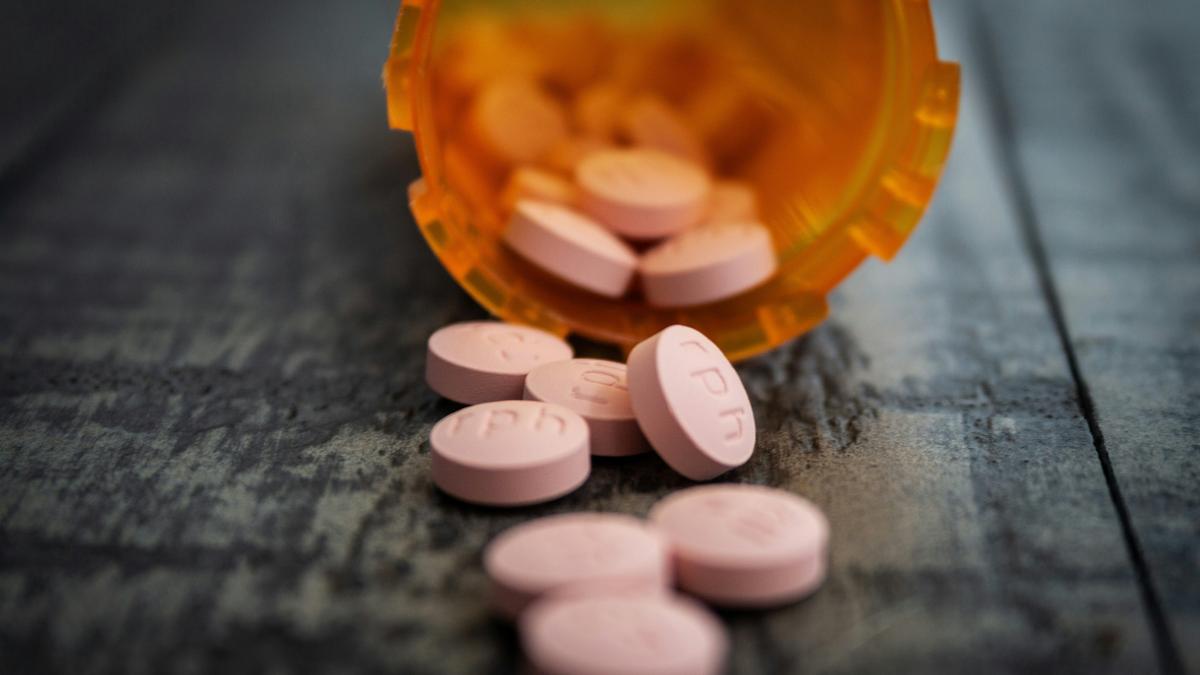
In the ongoing battle against bacterial infections, the declining effectiveness of antibiotics has sparked a critical question: Could combining these drugs offer a powerful solution? This approach, known as antibiotic synergy, has emerged as a promising strategy to combat the growing threat of antibiotic resistance.
Antibiotic resistance is a global health crisis, with an estimated 1.27 million deaths attributed to it in 2019 alone. The World Health Organization (WHO) warns that without effective action, we could face a future where common infections become deadly. The primary cause of this alarming trend is the overuse and misuse of antibiotics, which has led to the evolution of resistant bacteria. These resilient pathogens render our current arsenal of antibiotics less effective, leaving us vulnerable to infections that were once easily treatable.
The concept of combining antibiotics is not new, but recent research has reignited interest in this strategy. Scientists have discovered that certain combinations can enhance the efficacy of antibiotics, making them more potent against resistant bacteria. For instance, a study published in Nature Microbiology revealed that pairing specific antibiotics could restore their effectiveness against E. coli and other bacteria. This synergy occurs when the combined drugs interact to inhibit bacterial growth more effectively than either drug alone.
As the threat of antibiotic resistance looms, the potential of antibiotic combinations offers a glimmer of hope. Researchers are now exploring various drug pairings to identify the most effective synergies. The goal is to develop a comprehensive understanding of these combinations, enabling healthcare professionals to prescribe tailored treatments for different infections. This approach could not only extend the lifespan of existing antibiotics but also reduce the risk of resistance development, ensuring that these life-saving drugs remain effective for future generations.
Search
Categories
Recent News
- Twin Cities' Alarming Drunk Driving Surge
- Hyderabad Cracks Down on Drunk Driving
- Hyderabad Man Loses Rs 75 Lakh in Online Betting Scam
- Superstar Krishna Educational Fund: Empowering Young Minds Through Opportunity
- Mahesh Babu Donates Rs 60 Lakh To Chief Minister's Relief Fund For Flood Victims
- Mahesh Babu’s NGO Mahesh Babu Foundation gets FCRA nod
- Every Year, Mahesh Babu Spends ₹30 Crore to Save Children: A Legacy of Compassion and Hope
- Donate Now
Popular News
- Navigating IPO Market Dynamics Amid Volatility and Regulatory Changes
- Innovative Green Practices and Environmental Initiative
- Massive Worldwide Microsoft Outage Disrupts Multiple Sectors
- తెలుగుదేశం పార్టీ - పేదరికాన్ని నిర్మూలించడంలో వాగ్దానం
- Universities Embrace Remote Learning Technologies Amidst Ongoing Pandemic